
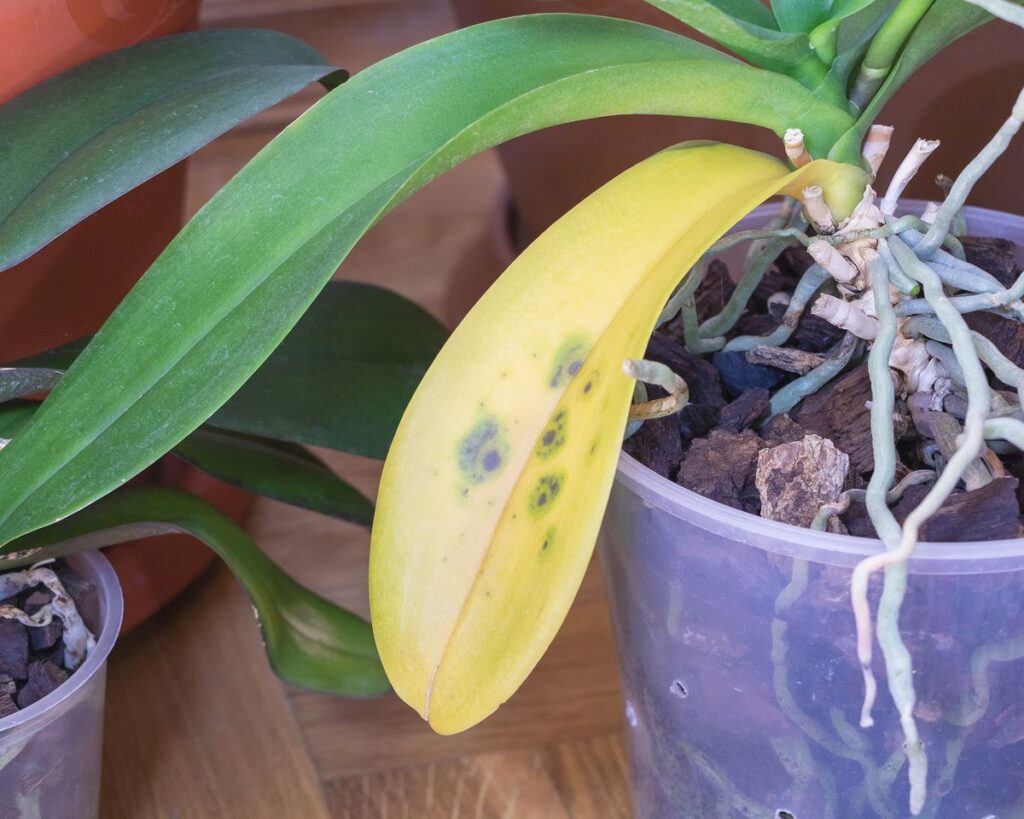
As an avid orchid enthusiast, it’s essential to be aware of the potential diseases that can affect these beautiful plants. Orchid diseases are not just a minor cosmetic issue; if left untreated, they can lead to the death of your beloved orchids or even spread to other healthy ones.
Identifying Symptoms of Orchid Diseases
Orchid diseases can manifest in various ways, and it’s crucial to recognize the signs to take prompt action. Here are some common symptoms to look out for:
- Fungal Infections: Fungal infections can cause discoloration or spotting on orchid flowers. Look for patches of brown or pinkish-colored spots on your flowers, as this could be a sign of fungal activity.
- Insect Infestations: Pests like aphids and whiteflies can damage your orchid’s leaves and flowers. If you notice small holes or white eggs on the underside of leaves, it might be an infestation.
- Leaf Scorching: Leaf scorching can occur due to high temperatures, low humidity, or exposure to direct sunlight. Check for yellowish or browned leaves, which could indicate a more serious issue.
- Flower Deformation: Altered flower shapes or sizes can be a sign of environmental stress or pest damage.
Common Types of Orchid Diseases
Orchids are susceptible to various diseases, including:
- Phytophthora Infections: These fungal infections cause root rot and can lead to the death of your orchid.
- Cylindrocladium Podocarpicola: This fungus causes leaf spotting and can spread quickly through the plant.
- Aspergillus Infections: Aspergillus fungi can cause a range of symptoms, including discoloration, spotting, and leaf scorching.
Treatment Options for Orchid Diseases
Once you’ve identified the symptoms, it’s time to take action:
- Insecticidal Treatments: For insect infestations, use insecticidal sprays or neem oil-based solutions. Always read the label carefully and follow instructions.
- Fungicidal Treatments: For fungal infections, apply fungicides specifically designed for orchids. Be cautious when using these products, as they can damage the plant if not used correctly.
- Environmental Adjustments: To prevent environmental stress, ensure your orchid is receiving adequate light, temperature control (between 65°F to 75°F), and humidity levels (40-60%).
- Hygiene Practices: Regularly clean your potting mix, pruning tools, and other equipment to avoid the spread of diseases.
Preventing Orchid Diseases
To keep your orchids thriving, implement these prevention strategies:
- Inspect Your Plants Regularly: Check for signs of disease or pests on a regular basis.
- Maintain Good Air Circulation: Ensure good air circulation around your orchid to prevent moisture buildup and reduce the risk of fungal infections.
- Use Well-Draining Potting Mixes: Avoid using potting mixes that retain too much water, as this can lead to root rot and other diseases.
- Monitor Temperature and Humidity Levels: Ensure your orchid is receiving adequate light, temperature control (between 65°F to 75°F), and humidity levels (40-60%).
Orchid Disease Management
If you suspect that one of your orchids has contracted a disease, follow these steps:
- Isolate the Plant: Isolate the affected plant from other healthy plants to prevent the spread of disease.
- Clean and Disinfect Equipment: Clean and disinfect any equipment or tools used on the affected plant to prevent the spread of disease.
- Apply Treatment: Apply treatment as directed by a gardening expert.
By understanding the symptoms of orchid diseases, taking prompt action, and implementing prevention strategies, you can help keep your beloved orchids thriving.


