
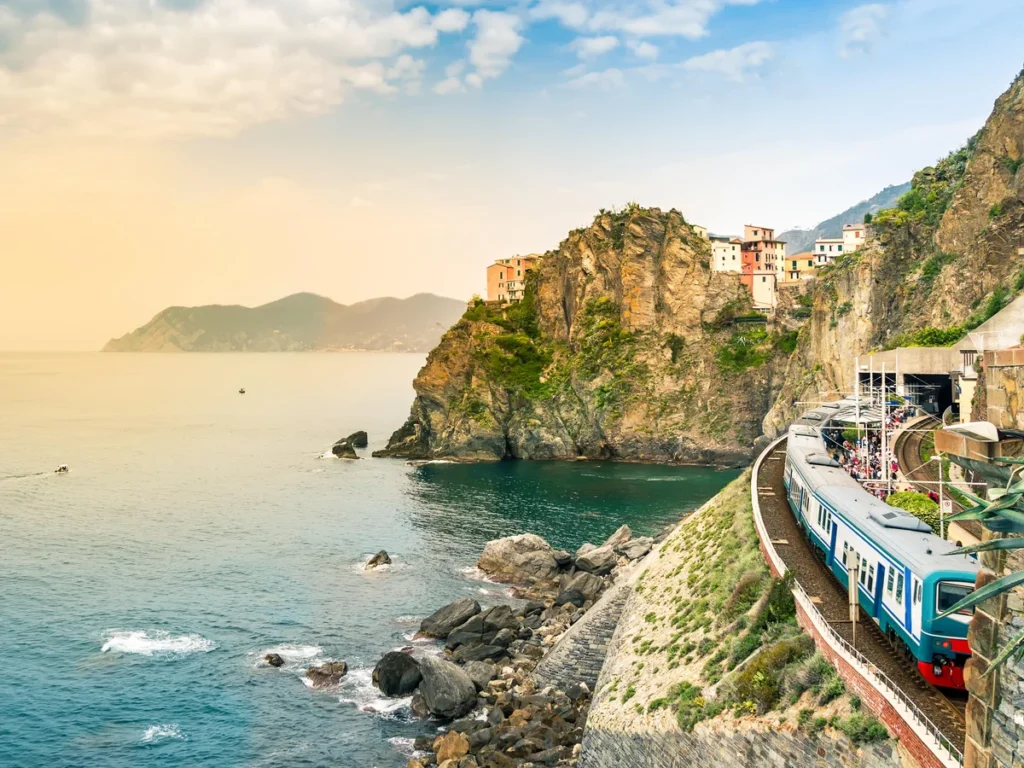
Italy is known for its rich history, art, architecture, and delicious food, but there’s another way to experience the country that’s often overlooked: by train. The tourist trains of Italy have gained popularity in recent years, offering a unique and environmentally friendly way to explore the country.
What are Tourist Trains?
Tourist trains are railway lines or trams with infrequent schedules, but without the daily or weekly commitments required by regular services. This concept is popular abroad, but in Italy, it’s still not fully applicable due to the lack of full management responsibility by associations or groups.
In order to understand how tourist trains work in Italy, we need to look at their history and evolution. The concept of tourist trains started with Ferrovie Turistiche Italiane (FTI), an association that was founded in 1998 to promote the use of abandoned railway lines for tourism purposes.
The Birth of Ferrovie Turistiche Italiane
Ferrovie Turistiche Italiane (FTI) was born from FBS (Ferrovia del Basso Sebino), the first association in Italy to apply the concept of tourist trains to a short track, between Palazzolo sull’Oglio and Paratico-Sarnico, along the River Oglio. This line had been abandoned for nearly 30 years, with only occasional freight traffic.
How, Why, and When Did the Transformation Happen?
In the mid-1990s, the Italian government began to look for ways to promote tourism in Italy, particularly in rural areas. The idea of using abandoned railway lines as tourist routes was seen as a way to preserve these historic lines while also generating revenue through tourism.
FTI was created in 1998 with the goal of promoting and developing tourist trains in Italy. The association started by renovating an abandoned line between Palazzolo sull’Oglio and Paratico-Sarnico, which had been closed for over 30 years. The line was reopened to passengers in 2001.
Which Tracks Have Been Added?
After the initial success of FTI’s first project, other associations began to follow suit. One of these associations was FBS, which opened a new line between Palazzolo sull’Oglio and Sarnico-San Lorenzo, known as “TrenoBLU”.
The next association to join was FVO (Ferrovia Val d’Orcia), which launched the “Treno Natura” service between Crete Senesi and the Val d’Orcia. The FCP (Ferrovia Colle Val d’Elsa-Poggibonsi) section followed soon after in Siena, aiming to establish a tourist service along that line.
Why is Treno Natura the Most Recognized Track?
Both “TrenoBLU” and “Treno Natura” have gained popularity over the years, but perhaps “Treno Natura” is more well-known internationally, thanks to Tuscany’s renowned tourism and Siena’s unique charm. This track offers breathtaking views of the Tuscan countryside, making it a popular choice for tourists.
How Many Users Do You Have in Italy on Your Trains?
In recent years, we’ve seen an average of 10-12,000 passengers per year on our tourist trains, across a thirty-day service period. The main users are families and groups of friends, as well as associations, businesses, and recently, veterans for special events.
Is There a Country in Europe with a More Developed Tourist Train Service?
Absolutely! The United Kingdom was one of the first countries to develop this concept, starting from the 1950s. France and Germany also have numerous restored lines offering tourist train services, often with historic material and volunteer-operated trains. Italy, however, is working on introducing new regulations that would allow for greater responsibility and development of tourist trains.
What’s Next for Ferrovie Turistiche Italiane?
FTI is planning to expand its operations in the future, both by adding more routes to the existing network and developing new ones. The association is also looking into ways to improve its services, such as introducing online booking systems and expanding its marketing efforts.
Conclusion
Italy’s tourist trains offer a unique way to experience the country, with a focus on environmental sustainability and cultural heritage. While there are still challenges to overcome, Ferrovie Turistiche Italiane is proud to be part of a growing movement towards responsible tourism in Italy.
Frequently Asked Questions (FAQs)
- What is the most popular tourist train route in Italy?
TrenoBLU and Treno Natura are both well-known, but Treno Natura might have an edge due to its association with the picturesque region of Tuscany.
- How many passengers do your trains typically carry per year?
We see an average of 10-12,000 passengers annually on our tourist trains.
- Are there other countries in Europe with similar tourist train services?
Yes, the United Kingdom, France, and Germany have well-established and popular tourist train services.
- What is the main challenge for developing tourist trains in Italy?
One of the biggest hurdles is getting associations to take full responsibility for managing these lines.
- Can tourists operate historic trains?
No, at least not yet! Italian regulations need to be updated to allow for greater volunteer participation and management of historic trains.
- Are there plans to expand tourist train services in Italy?
Yes, Ferrovie Turistiche Italiane is working on introducing new regulations that will enable more associations to take control of these lines and create even more opportunities for tourists.
- How can I get involved with the development of tourist trains in Italy?
Joining an association like FTI or contributing to their efforts would be a great way to support this initiative.
- Will there be new tourist train routes in Italy in the near future?
With continued growth and interest, it’s possible that we’ll see more lines added to the existing network soon.
Conclusion: The Future of Tourist Trains in Italy
As Ferrovie Turistiche Italiane continues to grow and develop, we can expect to see even more opportunities for tourists to experience Italy by train. Whether you’re interested in history, culture, or simply want to explore the countryside, there’s never been a better time to get on board with tourist trains in Italy.
Additional Resources
For those interested in learning more about Ferrovie Turistiche Italiane and its operations, we recommend visiting their website at www.ferrovieturisticheitaliane.it. You can also contact them directly to inquire about upcoming routes, schedules, and other information.
By supporting Ferrovie Turistiche Italiane and their efforts to promote tourist trains in Italy, you’ll be helping to preserve these historic lines while also contributing to the development of a more sustainable and responsible tourism industry.


