
Introduction
For centuries, calendula officinalis has been a staple in traditional medicine, revered for its incredible healing properties. This versatile herb is used in various forms, including ointments, creams, and infusions, to alleviate a wide range of ailments. In this article, we will delve into the world of calendula, exploring its uses, benefits, and how it can be incorporated into your daily life.
What is Calendula?
Calendula officinalis is an herbaceous plant that has been extensively used in herbalism and homeopathy for its medicinal properties. The plant’s various parts, including flowers, leaves, and stems, contain active compounds that provide relief from inflammation, pain, and infection. With its ease of cultivation and versatility in culinary applications, calendula has become a popular choice for those seeking natural remedies.
History of Calendula
The use of calendula dates back to ancient civilizations, with evidence of its application found in Egyptian and Greek medical texts. The herb’s popularity endures to this day, as people from around the world turn to it for relief from various health issues.
Properties and Benefits of Calendula
Calendula is renowned for its antimicrobial, anti-inflammatory, soothing, and cicatrizant properties, making it an effective natural remedy for:
- Skin conditions like eczema, ulcers, and calluses
- Wounds, cuts, and burns
- Respiratory issues such as bronchitis and tonsillitis
- Digestive problems like irritable bowel syndrome (IBS) and acid reflux
- Oral health concerns like gum inflammation, mouth sores, and bad breath
How to Use Calendula
Calendula can be used in various forms, including:
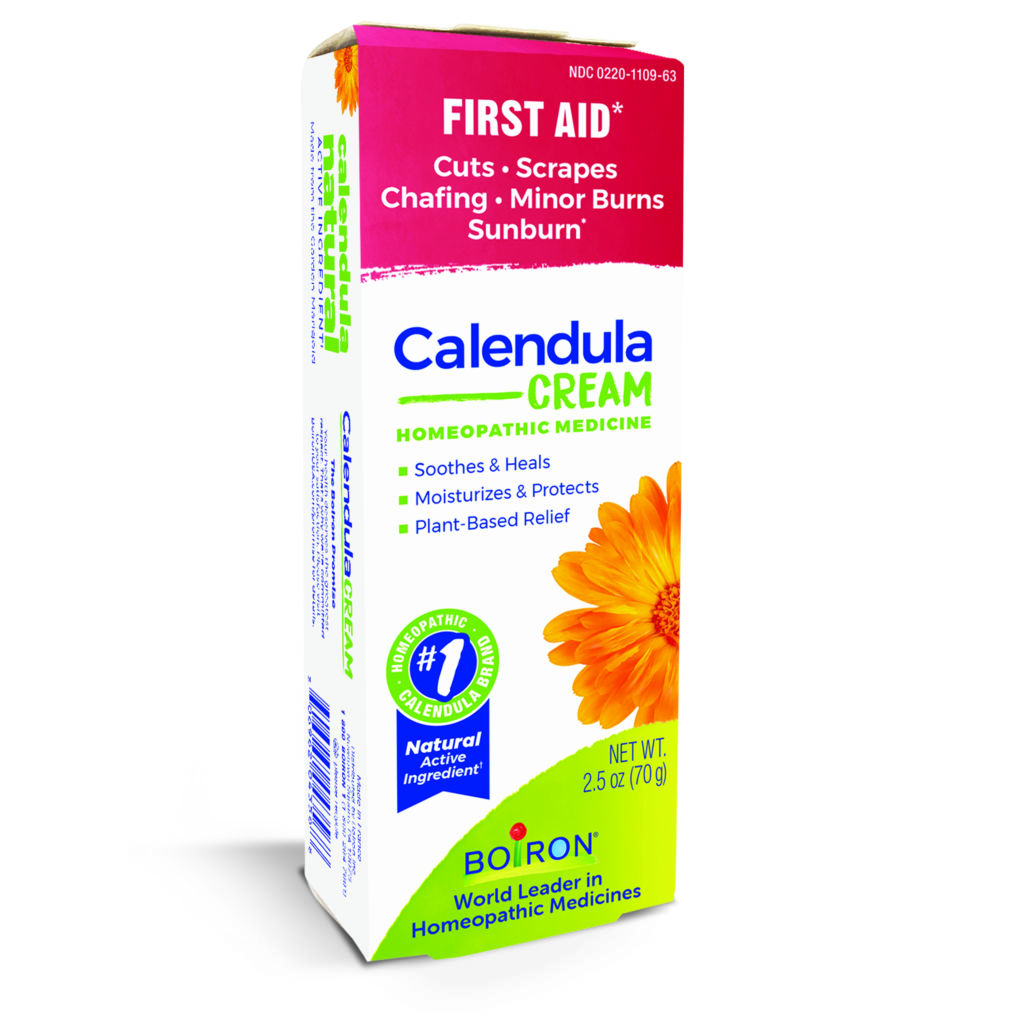
- Ointments and creams: Apply topically to soothe skin irritations, wounds, and burns.
- Infusions: Drink as a tea or take orally to alleviate digestive issues and respiratory problems.
- Tinctures: Use sublingually (under the tongue) to address oral health concerns.
Calendula’s Antimicrobial Properties
The main active compound in calendula is triterpene saponins, which have potent antimicrobial properties. This makes it an effective natural remedy for fighting off infections and promoting wound healing.
Calendula’s Anti-Inflammatory Properties
Calendula’s anti-inflammatory compounds, such as sesquiterpenoids, help to reduce swelling, redness, and pain in the affected area. This makes it a popular choice for soothing skin irritations and wounds.
The Benefits of Calendula for Skin Health
Calendula is an excellent natural remedy for skin health, with benefits including:
- Soothing skin irritations and reducing inflammation
- Promoting wound healing and tissue repair
- Reducing the appearance of scars and hyperpigmentation
The Benefits of Calendula for Oral Health
Calendula has also been shown to have a positive impact on oral health, with benefits including:
- Soothing mouth sores and reducing inflammation
- Treating gum inflammation and preventing gingivitis
- Freshening breath and promoting healthy gums
How to Grow Your Own Calendula
Growing your own calendula is easy and rewarding, requiring minimal care and maintenance. Here are some tips for cultivating this incredible herb:
- Choose a sunny location with well-drained soil.
- Plant the seeds in early spring or fall, about 1-2 inches deep.
- Water regularly, but avoid overwatering.
- Harvest the flowers as soon as they bloom.
Conclusion
Calendula is a powerful natural remedy that has been used for centuries to promote holistic health. With its versatility, ease of use, and numerous benefits, it’s no wonder why calendula remains a popular choice among those seeking alternative approaches to healthcare. As with any herbal remedy, consult with your doctor or healthcare professional before incorporating calendula into your treatment plan.
Frequently Asked Questions
- Is Calendula safe for consumption?
Yes, calendula is generally considered safe for internal use, but it’s recommended to start with small doses and gradually increase as needed. - Can I take calendula if I’m pregnant or breastfeeding?
While calendula is typically considered safe during pregnancy and lactation, consult your healthcare provider before using it, especially in high doses. - How often should I apply calendula ointment to my skin?
Apply the ointment as needed, usually up to three times a day, depending on the severity of the condition being treated. - Can I use calendula if I have allergies or sensitivities?
If you experience any adverse reactions while using calendula, discontinue use and consult your healthcare provider. - How do I store calendula products?
Store ointments, creams, and infusions in a cool, dry place, away from direct sunlight and heat sources.
Safety Precautions
While calendula is generally considered safe, there are some precautions to be aware of:
- Allergic reactions: If you experience any adverse reactions while using calendula, discontinue use and consult your healthcare provider.
- Interactions with medications: Calendula may interact with certain medications, including blood thinners and diabetes medications. Consult your healthcare provider before using calendula if you’re taking medication.
- Pregnancy and breastfeeding: While calendula is typically considered safe during pregnancy and lactation, consult your healthcare provider before using it, especially in high doses.
Conclusion
Calendula is a powerful natural remedy that has been used for centuries to promote holistic health. With its versatility, ease of use, and numerous benefits, it’s no wonder why calendula remains a popular choice among those seeking alternative approaches to healthcare. By incorporating calendula into your daily routine, you can take the first step towards a more holistic approach to health and wellness.


