
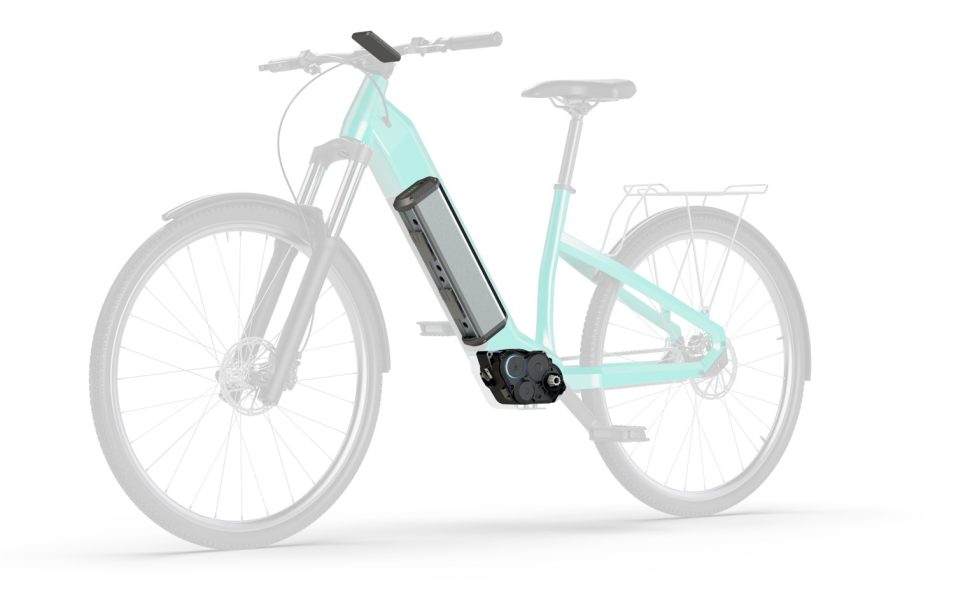
As we continue to navigate the complexities of our modern world, one innovation that has gained significant attention in recent years is the electric bike. With over 40 million electric bikes already circulating in China, it’s no surprise that this technology is gaining momentum across Europe and North America as well.
In this article, we’ll delve into the world of regenerative braking, a system that’s being integrated into more and more electric bikes every year. We’ll explore how regenerative braking works, which models are currently featuring this technology, and what makes it so important for our environment.
Understanding Regenerative Braking
Regenerative braking is a process where the kinetic energy generated by the bike’s wheels is converted back into electrical energy, which is then stored in the battery. This innovative system has become increasingly efficient over the years, with some modern systems boasting an impressive recovery rate of up to 5%.
To put this into perspective, imagine you’re riding your electric bike downhill. As you slow down, the energy that would normally be lost as heat is instead captured and converted back into electrical energy, which is then stored in the battery for later use.
The Benefits of Regenerative Braking
So, what makes regenerative braking so important? For starters, it significantly reduces wear and tear on traditional brakes, extending their lifespan and saving cyclists money in the long run. Additionally, regenerative braking helps to reduce greenhouse gas emissions by minimizing energy waste.
Moreover, this technology has a direct impact on our environment. By reducing the amount of energy needed to power electric bikes, we can decrease our reliance on fossil fuels and lower our carbon footprint.
Top Electric Bikes with Regenerative Braking
Several brands are now incorporating regenerative braking into their electric bike designs. Some notable models include:
- Bioplanet: This Italian brand offers a range of electric bikes featuring regenerative braking technology.
- Polaris: Known for their high-performance electric bikes, Polaris has also integrated regenerative braking into some of their models.
- eBike: Smart’s flagship eBike model boasts impressive features, including regenerative braking.
Converting Any Bike to an Electric Bike
But what if you already own a traditional bike and want to upgrade it to an electric bike? Fear not! There are several conversion kits available on the market that can be installed to give your old bike a modern twist. Some popular options include:
- Smart-Pie: This kit offers a range of features, including regenerative braking, and is compatible with a variety of bikes.
- BionX: Another popular conversion kit, BionX boasts impressive features, including a rechargeable battery and advanced control system.
Conclusion
As we continue to explore the world of electric bikes and regenerative braking, it’s clear that this technology has significant potential for reducing our environmental impact. With more brands offering this innovative feature, it’s easier than ever to join the ranks of eco-conscious cyclists who are making a difference.
In the following section, we’ll answer some frequently asked questions about electric bikes with regenerative braking:
Frequently Asked Questions
- What is regenerative braking?
- Regenerative braking is a process where the kinetic energy generated by the bike’s wheels is converted back into electrical energy, which is then stored in the battery.
- How does regenerative braking work?
- The system captures energy that would normally be lost as heat during deceleration and converts it back into electrical energy, which is then stored in the battery.
- What are the benefits of regenerative braking?
- Regenerative braking reduces wear and tear on traditional brakes, extends their lifespan, and saves cyclists money. It also helps reduce greenhouse gas emissions by minimizing energy waste.
- Which brands offer electric bikes with regenerative braking?
- Several brands now incorporate this technology into their designs, including Bioplanet, Polaris, and eBike (Smart).
- Can I convert any bike to an electric bike?
- Yes! Conversion kits like Smart-Pie and BionX can be installed onto existing bikes, giving them a modern twist with regenerative braking.
- How efficient are regenerative braking systems?
- Modern regenerative braking systems boast impressive recovery rates, often exceeding 5%.
- What impact does regenerative braking have on the environment?
- By reducing energy waste and minimizing greenhouse gas emissions, regenerative braking has a direct positive impact on our environment.
- Can I install regenerative braking on any bike?
- While not all bikes are compatible, many conversion kits offer universal compatibility with various models.
Whether you’re an environmentally conscious cyclist or simply looking to upgrade your old bike, electric bikes with regenerative braking are definitely worth exploring. As we continue to navigate the world of innovative technologies like this, one thing is clear: our actions have the power to make a difference.
In addition to these benefits and applications, there are several key factors that contribute to the overall success of electric bikes:
- Battery Life: One of the most significant concerns for cyclists when considering an electric bike is battery life. A good quality battery will ensure that your ride remains uninterrupted, even on longer trips.
- Range and Power: The range and power of an electric bike are crucial factors in determining its overall performance and suitability for different riders.
As we continue to explore the world of electric bikes, it’s clear that regenerative braking is just one piece of the puzzle. By understanding the various components that make up a successful e-bike and staying informed about the latest developments in this field, we can better appreciate the impact that our actions have on the environment.


