
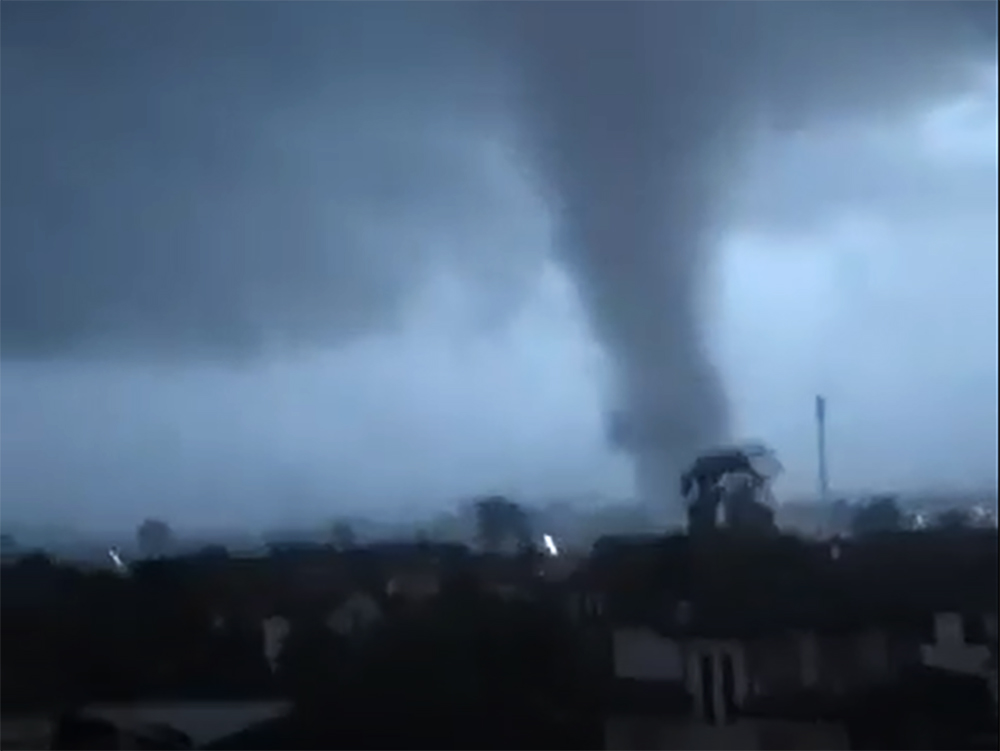
As a recent trend, tornadoes have become increasingly visible in Italy, with reports from TV stations, radio broadcasts, and news bulletins. But what exactly are these violent air masses? Why do they form? And why are we seeing them more frequently? To answer these questions, let’s delve into the world of meteorology and explore the characteristics of tornadoes.
What are Tornadoes?
In meteorology, tornadoes are referred to as violent vortices that originate at the base of a cumulonimbus cloud and touch the ground. These powerful whirlwinds release an impressive amount of energy, causing significant destruction. In the Mediterranean region, tornadoes are among the most intense phenomena we can observe.
How do Tornadoes Form?
Tornadoes often form during extremely violent thunderstorms, which can extend over hundreds of kilometers and reach wind speeds of up to 500 km/h. The formation of a tornado requires specific atmospheric conditions, including variable winds at different altitudes and the presence of warm, humid air masses.
These conditions create an environment where the air rises, cools, and condenses, resulting in the development of cumulonimbus clouds. In some cases, these storms can spawn supercells, which are particularly violent thunderstorms that produce the most destructive tornadoes.
Other Factors Contributing to Tornado Formation
While the formation of a tornado is often associated with severe thunderstorms, other factors can contribute to its development. For example:
- The presence of cold air masses in the upper levels of the atmosphere can fuel the rotation of cumulonimbus clouds.
- Coronal structures within these clouds can influence the tornado’s trajectory and intensity.
Additionally, the terrain and geography of a region can also play a significant role in the formation of tornadoes. For example, areas with flat or gently sloping terrain are more prone to tornado formation than those with hilly or mountainous regions.
Tornadoes in Italy
In recent years, Italy has experienced a significant increase in tornado sightings. These events often manifest as a funnel cloud or a column of debris that descends from a thunderstorm to the ground.
The diameter of these vortex columns can vary widely, ranging from 100 to 500 meters, although Italian tornadoes typically do not exceed this size. However, it’s worth noting that tornadoes in other parts of the world, such as the United States, can reach diameters of up to 1 kilometer or more.
Tornadoes in Rome and Genoa
Two recent examples of tornado events in Italy are those that occurred on November 6, 2016, in Rome and October 14, 2016, in Genoa. In both cases, the tornado caused significant damage and loss of life.
In Rome, the tornado brought down trees, destroyed buildings, and flooded homes. Two people were reported injured, and several others were killed.
Similarly, in Genoa, the tornado caused widespread destruction, with wind speeds reaching 120 km/h. Several people were injured, and several buildings were damaged or destroyed.
The Emotional Significance of Tornadoes
Synchronizing tornadoes with violent emotional states can be a common phenomenon for some individuals. This could be due to various reasons, such as stress, anxiety, or feelings of powerlessness.
In such cases, the presence of a tornado might serve as a reflection of one’s inner turmoil, providing an external representation of their intense emotions.
Psychological Impact of Tornadoes
The psychological impact of tornadoes can be significant, particularly for those who have experienced a traumatic event. The sudden and unexpected nature of a tornado can lead to feelings of fear, anxiety, and helplessness.
Additionally, the aftermath of a tornado can also have a profound impact on an individual’s mental health, leading to symptoms such as post-traumatic stress disorder (PTSD), depression, and anxiety disorders.
Conclusion
Tornadoes are complex weather phenomena that can have significant impacts on our daily lives. By understanding the conditions and factors that contribute to their formation, we can better prepare ourselves for these events.
In Italy, tornadoes are becoming increasingly common, with reports from various regions. While they may seem like a distant threat, it’s essential to remain aware of their potential effects and take necessary precautions when severe weather is forecasted.
Frequently Asked Questions
- Q: What causes tornadoes?
A: Tornadoes form due to specific atmospheric conditions, including variable winds at different altitudes, warm, humid air masses, and the presence of cumulonimbus clouds. - Q: How fast can tornadoes move?
A: Tornadoes can reach wind speeds of up to 500 km/h and travel long distances before dissipating or causing damage. - Q: Can I predict when a tornado will occur?
A: While weather forecasting has improved significantly, predicting the exact timing and location of a tornado is still challenging due to the complex nature of atmospheric conditions. - Q: Are all tornadoes the same size?
A: No, tornadoes can vary greatly in diameter, with some reaching diameters of up to 1 kilometer or more. - Q: Can tornadoes occur anywhere?
A: While tornadoes are rare in most parts of the world, they can occur in various regions, including Italy, where they have become increasingly common in recent years. - Q: What should I do if a tornado warning is issued for my area?
A: If a tornado warning is issued for your area, seek shelter immediately in a designated safe room or building. Stay away from windows and exterior walls. - Q: Can tornadoes cause structural damage?
A: Yes, tornadoes can cause significant damage to buildings, bridges, and other structures due to the intense winds and debris generated by these events. - Q: Are there any ways to reduce the risk of injury or death from a tornado?
A: While no method can guarantee complete protection, taking steps such as seeking shelter in a designated safe room, following evacuation orders, and staying informed about weather conditions can significantly reduce the risk of injury or death from a tornado.
Tornado Safety Tips
To minimize the risks associated with tornadoes, it’s essential to be prepared and take necessary precautions. Here are some safety tips:
- Stay Informed: Monitor local news and weather forecasts for updates on severe weather warnings.
- Create a Tornado Evacuation Plan: Identify safe rooms or shelters in your home and practice evacuation drills with your family.
- Seek Shelter Immediately: If a tornado warning is issued for your area, seek shelter immediately in a designated safe room or building.
- Stay Away from Windows: Windows can shatter due to the intense winds generated by a tornado, causing injuries and damage.
- Avoid Mobile Homes: Mobile homes are not designed to withstand tornado forces and can be easily overturned.
- Stay Informed About Tornadoes: Understand the signs of a tornado, including the presence of a funnel cloud or debris falling from the sky.
By understanding the characteristics of tornadoes and taking necessary precautions, we can reduce the risks associated with these powerful storms and stay safe during severe weather events.


