
The liver is a vital organ that plays a crucial role in our overall health. It performs many functions, including regulating blood sugar levels, producing bile to aid in fat digestion, and filtering toxins from the bloodstream.
Understanding the Liver’s Functions
The liver is a complex organ made up of two main lobes: the left lobe and the right lobe. The left lobe contains the hepatic ducts, which drain bile into the small intestine for digestion. The right lobe contains the gallbladder, where bile is stored and concentrated.
The liver also has several specialized cells that perform specific functions. For example, hepatocytes are responsible for detoxifying the blood, while Kupffer cells help remove bacteria and other foreign particles from the bloodstream.
In addition to its physical functions, the liver plays a critical role in our overall health by producing proteins that regulate inflammation and immune responses. It also stores glycogen, which can be broken down into glucose when needed.
Patologies of the Liver Caused by Poor Diet
A diet high in sugar and fat can lead to fatty liver disease (steatosis), which can progress to more severe conditions like non-alcoholic steatohepatitis (NASH) and cirrhosis. These conditions are often asymptomatic, but they can cause significant damage to the liver over time.
Fatty liver disease occurs when excess fat accumulates in liver cells, leading to inflammation and scarring. This condition is often associated with obesity, insulin resistance, and other metabolic disorders.
Non-alcoholic steatohepatitis (NASH) is a more advanced form of fatty liver disease that involves inflammation and damage to liver tissue. It can cause symptoms such as abdominal pain, fatigue, and dark urine, and can progress to cirrhosis if left untreated.
Cirrhosis is the final stage of liver disease, where scarring and inflammation have caused permanent damage to liver tissue. This condition can lead to a range of complications, including liver failure, ascites (fluid buildup in the abdomen), and bleeding from varices (enlarged veins).
Foods Damaging to the Liver
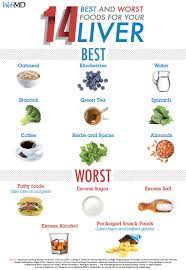
Certain foods can put extra strain on the liver, leading to stress, inflammation, and damage. These include:
- Sugary drinks and snacks
- High-fat meats
- Processed and take-out foods
- Excessive alcohol consumption
Additionally, certain supplements, such as those containing vitamin A, can be harmful to the liver.
Symptoms of Liver Fatigue
While fatty liver disease may not always produce noticeable symptoms, there are some common signs that may indicate liver fatigue. These include:
- Yellowing of the skin and eyes (jaundice)
- Abdominal pain
- Swelling and fluid buildup in the abdomen and legs
- Pale stools
- Dark urine
- Nausea and vomiting
- Fatigue
- Loss of appetite
- Confusion and altered mental state
Healthy Foods for Liver Function
A balanced diet rich in whole foods, fruits, vegetables, legumes, fish, and whole grains can help support liver health. Some specific foods with potential protective effects on the liver include:
- Broccoli and other cruciferous vegetables
- Spinach
- Oats (high in fiber)
- Green tea
- Matcha green tea
- Almonds (rich in vitamin E)
- Red cabbage juice
- Cranberries, raspberries, and blueberries (antioxidants)
- Fatty fish like salmon and sardines (omega-3 fatty acids)
Lifestyle Changes for Liver Health
In addition to a balanced diet, there are several lifestyle changes that can help support liver health. These include:
- Regular exercise: Exercise can help improve insulin sensitivity and reduce inflammation in the body.
- Not smoking: Smoking is a significant risk factor for liver disease, as it damages lung tissue and increases the risk of cancer.
- Getting enough sleep: Poor sleep quality and duration can contribute to inflammation and stress on the liver.
Natural Remedies for Liver Health
Certain natural remedies may help support liver health. These include:
- Milk thistle: A plant-based supplement that has been shown to have antioxidant and anti-inflammatory properties.
- Dandelion root: A herb that is believed to have diuretic and detoxifying effects on the body.
- Turmeric: A spice that contains curcumin, a compound with anti-inflammatory and antioxidant properties.
- Ginger: A root that has been shown to reduce inflammation and improve digestion.
Conclusion
The liver is a vital organ that deserves our attention. By understanding the risks of poor diet and lifestyle choices, we can take steps to protect our liver health. A balanced diet rich in whole foods, regular exercise, and a healthy dose of antioxidants can help support liver function and overall well-being.
Frequently Asked Questions
- What are the most common causes of fatty liver disease?
- A diet high in sugar and fat
- Excessive alcohol consumption
- Obesity
- Insulin resistance
- Can I reverse fatty liver disease through lifestyle changes?
- Yes, but it requires a long-term commitment to healthy habits.
- What are the symptoms of non-alcoholic steatohepatitis (NASH)?
- Abdominal pain
- Fatigue
- Weight loss
- Dark urine
- Jaundice
- How can I protect my liver from damage?
- Eat a balanced diet rich in whole foods
- Exercise regularly
- Limit alcohol consumption
- Get enough sleep
- Can I still get cirrhosis if I have a healthy lifestyle?
- While a healthy lifestyle can reduce the risk of cirrhosis, it’s not a guarantee.
- What are some natural remedies for liver health?
- Milk thistle
- Dandelion root
- Turmeric
- Ginger


