
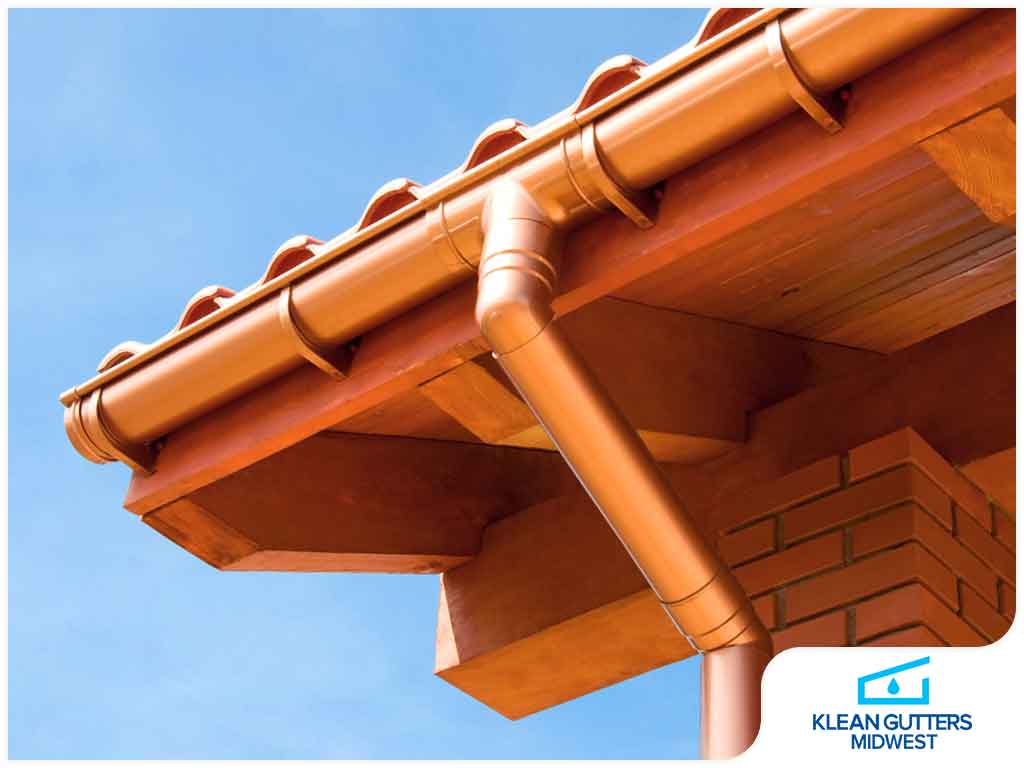
As a homeowner or property owner, it’s essential to ensure that your building can withstand the elements. One crucial aspect of this is installing high-quality galvanized rain gutters that can handle heavy rainfall without causing damage to your property. In this article, we’ll explore the importance of galvanized rain gutters, their benefits, and how to maintain and refacement them.
What are Galvanized Rain Gutters?
Galvanized rain gutters are made from a type of metal alloy that’s coated with zinc, which provides excellent corrosion resistance. These gutters come in various sizes and shapes, making it possible to fit them around the perimeter of your building to collect and direct rainwater away from the foundation.
Why Are Galvanized Rain Gutters Important?
Properly functioning galvanized rain gutters are crucial for preventing water damage and structural issues. If not properly installed or maintained, they can lead to:
- Infiltration: Water can seep into walls, ceilings, and floors, causing costly repairs.
- Molds and Mildew: Excess moisture creates an ideal environment for mold and mildew growth, compromising indoor air quality.
- Foundation Damage: Water accumulation around the foundation can cause soil erosion, settlement issues, and structural damage.
Benefits of Galvanized Rain Gutters
Galvanized rain gutters offer numerous benefits, including:
- Durability: Zinc-coated galvanized gutters are resistant to corrosion, ensuring a long lifespan.
- Easy Maintenance: Regular cleaning and inspection can help prevent issues.
- Aesthetics: Galvanized gutters complement the architectural style of your building while maintaining a sleek appearance.
Maintenance and Refacement
Proper maintenance is key to extending the life of galvanized rain gutters. Here are some essential tips:
- Cleaning: Regularly clean gutters using gloves, ladders, and gutter cleaning tools to remove debris.
- Inspection: Check for signs of damage, corrosion, or sagging, making necessary repairs promptly.
- Material Selection: Choose high-quality materials from reputable manufacturers.
Refacement: A Cost-Effective Solution
When it’s time to reface your galvanized rain gutters, consider the following options:
- Professional Installation: Hire a licensed contractor with experience in gutter installation and maintenance.
- Material Selection: Opt for durable, corrosion-resistant materials that match your building’s architectural style.
Types of Galvanized Rain Gutters
There are several types of galvanized rain gutters available, including:
- Smooth Gutters: These have a flat, smooth surface and are ideal for traditional or modern buildings.
- Ribbed Gutters: Ribs provide additional strength and support, making them suitable for heavy rainfall areas.
- Hidden Roofline Gutters: These are designed to blend seamlessly with the roof’s architectural style.
Benefits of Using Galvanized Rain Gutters in Different Climates
Galvanized rain gutters can be particularly beneficial in various climates, including:
- Hurricane-Prone Areas: Heavy rainfall and strong winds require robust gutters that can withstand extreme weather conditions.
- Tropical Regions: Corrosion-resistant materials help protect the gutters from saltwater damage.
The Role of Galvanized Rain Gutters in Water Conservation
Galvanized rain gutters play a significant role in water conservation by:
- Reducing Stormwater Runoff: By collecting and directing rainwater away from the foundation, these gutters help minimize stormwater runoff.
- Improving Water Quality: Reduced runoff results in cleaner water sources, benefiting local ecosystems.
Safety Precautions When Working with Galvanized Rain Gutters
When working on galvanized rain gutters, it’s crucial to:
- Wear protective gear, including gloves and safety glasses
- Inspect the gutters for damage or sagging before cleaning or refacing
- Use proper ladder safety techniques to avoid accidents
Conclusion
Galvanized rain gutters are a vital component of any building’s exterior. By understanding their importance, benefits, and maintenance requirements, you can ensure the longevity of these critical components. Don’t hesitate to seek professional assistance if needed, as it’s always better to be safe than sorry when it comes to the structural integrity of your building.
Frequently Asked Questions (FAQs)
Q: How often should I clean my galvanized rain gutters?
A: It’s recommended to clean gutters at least twice a year, or after significant rainfall events.
Q: What are the signs of damage or corrosion in galvanized rain gutters?
A: Look for rust, dents, sagging, or holes – these can compromise the structural integrity of your building.
Q: Can I install galvanized rain gutters myself?
A: We recommend hiring a licensed contractor with experience in gutter installation and maintenance to ensure proper installation and longevity.
Q: Are there any environmental benefits to using galvanized rain gutters?
A: Galvanized rain gutters can help reduce stormwater runoff, improve water quality, and minimize the risk of erosion.
Q: What are some popular alternatives to traditional galvanized rain gutters?
A: Some options include stainless steel, aluminum, or PVC gutters – each offering unique benefits and characteristics.


