
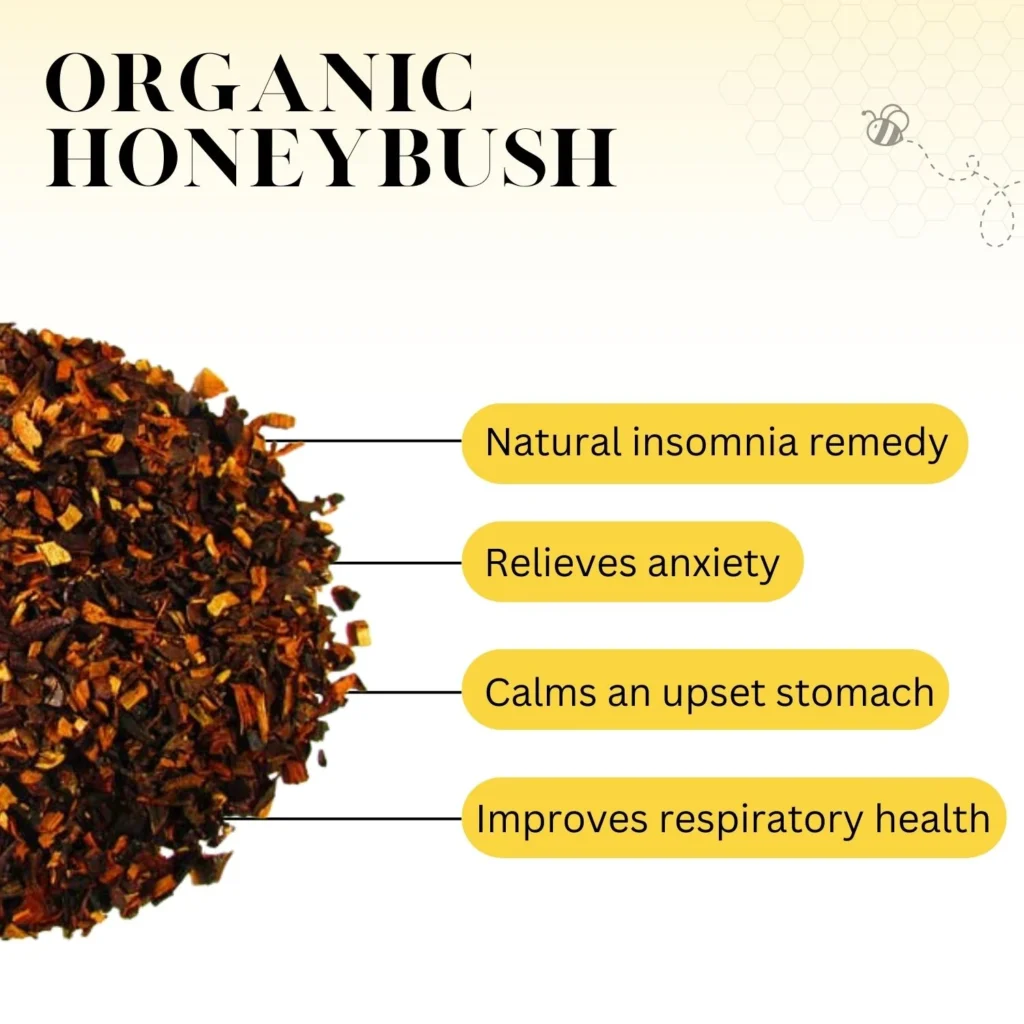
As we continue to explore new ways to improve our overall well-being, one plant has caught our attention – the honeybush. This South African native has been gaining popularity for its unique flavor profile and potential health benefits. In this article, we’ll delve into what honeybush is, how to prepare it, its caffeine content, and most importantly, its properties and benefits for our health.
What is Honeybush?
Honeybush is a shrub with woody stems that produces trifoliate leaves and yellow flowers. The colonists in South Africa were among the first to discover the medicinal properties of honeybush tea. With a floral, slightly toasted flavor reminiscent of honey, it’s often compared to rooibos tea, but its aroma is described as sweeter and more robust.
Preparing Honeybush Tea
Leaves of honeybush can be purchased in various forms, including pre-packaged tea bags or loose-leaf tea. To make a simple cup of tea, follow these steps:
- Place one teaspoon of dried honeybush leaves into your tea infuser or directly into the teapot.
- Heat water to boiling point, then let it cool slightly for a minute before pouring over the leaves.
- Allow the leaves to steep for 5-7 minutes, depending on desired strength and flavor profile.
- Strain and serve hot or cold by adding ice.
You can also experiment with honeybush tea in refreshing summer drinks like smoothies, slushies, or iced teas.
Is Honeybush Tea Caffeinated?
Unlike traditional coffee, honeybush tea is made from the leaves of a non-Camellia sinensis plant. This means it does not contain caffeine, making it an excellent choice for those looking to avoid caffeine intake or simply seeking a relaxing beverage option.
Health Benefits and Properties of Honeybush Tea
Honeybush tea has been linked to various health benefits due to its rich content of antioxidants, vitamins, and minerals. Some potential advantages include:
- Reduced inflammation
- Improved immune system function
- Enhanced bone density
While studies have shown promise for honeybush’s potential therapeutic effects, further research is needed to fully understand the extent of these benefits.
Do Honeybush Teas Have Any Side Effects?
As with any herbal remedy or dietary supplement, it’s always recommended to consult a healthcare professional before consuming honeybush tea. Potential interactions with medications or underlying medical conditions should be considered.
Precautions and Contraindications
- Allergic reactions: Some individuals may experience allergic reactions when consuming honeybush tea. If you experience any symptoms such as hives, itching, or difficulty breathing, discontinue use and seek medical attention.
- Pregnancy and breastfeeding: Honeybush tea is not recommended for pregnant or breastfeeding women without consulting their healthcare provider first.
Conclusion
Honeybush is an increasingly popular beverage with a rich history and unique flavor profile. By understanding the different types of honeybush teas available, as well as their potential health benefits, you can better make informed decisions about incorporating this plant into your daily routine.
Frequently Asked Questions (FAQs)
- What are the different types of honeybush tea?
- Honeybush tea is typically categorized into two main types based on its processing method: light and dark. Lighter teas have a milder flavor, while darker teas offer a stronger taste.
- How do I store honeybush tea to maintain quality?
- Store loose-leaf tea in an airtight container to preserve aroma and flavor. When using pre-packaged tea bags, follow the manufacturer’s storage instructions for optimal results.
- Can I use honeybush tea as a substitute for coffee or black tea?
- Honeybush tea is not suitable as a direct replacement for other beverages due to its unique flavor profile and caffeine-free nature.
- How often should I consume honeybush tea to reap the most benefits?
- There is no specific recommended daily dosage of honeybush tea. However, you can start by incorporating it into your routine 1-2 times a week and adjust as needed based on personal preferences and health goals.
- Is honeybush tea suitable for everyone, including pregnant or breastfeeding women?
- Pregnant and breastfeeding women should consult their healthcare provider before consuming honeybush tea to determine its safety and potential interactions with other medications.
Incorporating Honeybush into Your Daily Routine
To reap the full benefits of honeybush tea, consider incorporating it into your daily routine as follows:
- Start by drinking a cup of honeybush tea in the morning to boost energy and kick-start your day.
- Enjoy a soothing cup before bedtime to promote relaxation and improve sleep quality.
- Use honeybush tea in smoothies or slushies for a refreshing summer treat.
Conclusion
Honeybush is an increasingly popular beverage with a rich history and unique flavor profile. By understanding the different types of honeybush teas available, as well as their potential health benefits, you can better make informed decisions about incorporating this plant into your daily routine. Whether you’re looking for a caffeine-free alternative to traditional coffee or seeking a relaxing beverage option, honeybush tea is definitely worth considering.


