
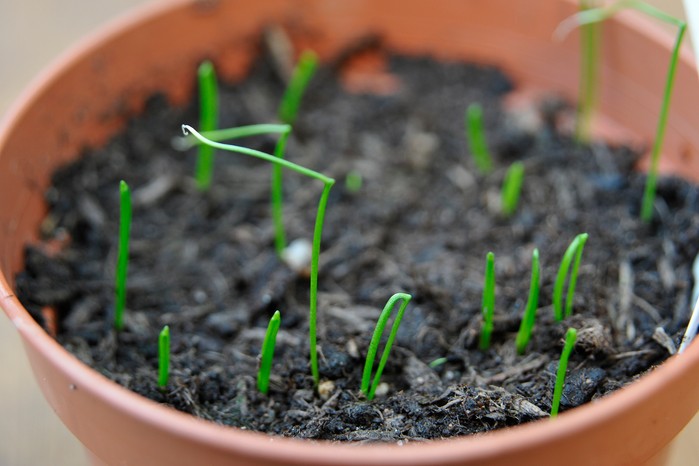
Growing chives is an easy task that requires minimal care and attention. These perennial herbs are perfect for adding flavor to any dish, from soups to salads. Not only do they have a mild onion flavor, but their purple flowers also add a beautiful touch to your garden.
What is Chive?
Chives (Allium schoenoprasum) are a type of perennial herb that belongs to the Allium family, which includes garlic, onions, and leeks. They are characterized by their long, thin leaves that can grow up to 10 inches tall. The leaves have a mild onion flavor and aroma, while the flowers are a beautiful shade of purple.
Growing Chives in Your Garden or Indoor
Chives are easy to grow and require minimal care. They prefer well-drained soil and full sun to partial shade. You can plant chives directly in your garden or indoor pots, making them perfect for balcony gardens or small spaces.
Choosing the Right Location
When selecting a location for your chives, make sure it receives at least 4-6 hours of direct sunlight per day. If you live in an area with extreme temperatures, consider providing some shade during the hottest part of the day.
Planting Chives
You can plant chives directly in your garden or indoor pots. Here’s a step-by-step guide:
- Choose a container that is at least 6-8 inches deep to accommodate the roots.
- Fill the container with well-drained potting soil and add a layer of compost or fertilizer.
- Plant the chive seedlings about 1-2 inches apart, depending on the variety.
- Water thoroughly after planting and keep the soil consistently moist during the first few weeks.
Caring for Your Chives
Once your chives are established, they require minimal care. Here are some tips to keep in mind:
- Water regularly, but avoid overwatering.
- Fertilize lightly during the growing season (spring-fall) with a balanced fertilizer.
- Prune back the leaves and flowers regularly to encourage new growth.
Harvesting Chives
Chives are ready to harvest when the leaves are about 6 inches tall. Here’s how to harvest them:
- Cut off the leaves at the base of the plant, leaving about an inch of stem intact.
- Use scissors or pinch off individual leaves with your fingers.
- You can also dry chive flowers for use in teas and soups.
Using Chives in Cooking
Chives are a versatile herb that can be used in many different dishes. Here are some ideas to get you started:
- Add fresh chives to salads, soups, and sandwiches for a burst of flavor.
- Use dried chive flowers as a garnish or add them to teas and soups.
- Mix chopped chives into mayonnaise or sour cream for a tasty dip.
Chive Recipes
Here are some delicious recipes that showcase the flavor of chives:
Chive and Cheese Frittata
Ingredients:
- 2 eggs
- 1 tablespoon butter
- 1/4 cup grated cheese
- 2 tablespoons chopped fresh chives
- Salt and pepper to taste
Instructions:
- Preheat your oven to 350°F (180°C).
- In a bowl, whisk together the eggs and season with salt and pepper.
- Heat butter in a skillet over medium heat and pour in the egg mixture.
- Sprinkle grated cheese and chopped chives on top of the eggs.
- Transfer the skillet to the oven and bake for 12-15 minutes or until the eggs are set.
Chive and Lemon Soup
Ingredients:
- 2 tablespoons butter
- 1 onion, diced
- 3 cloves garlic, minced
- 4 cups chicken broth
- 1 cup heavy cream
- 2 tablespoons chopped fresh chives
- Salt and pepper to taste
Instructions:
- In a pot, melt butter over medium heat and sauté the onion until softened.
- Add garlic and cook for an additional minute.
- Pour in chicken broth and bring to a boil.
- Reduce heat and simmer for 10 minutes or until the soup is heated through.
- Stir in heavy cream and chopped chives.
The Benefits of Chives
Chives have many health benefits, including:
- Antimicrobial properties: Chives contain compounds that have antibacterial and antifungal properties.
- Anti-inflammatory properties: Chives have anti-inflammatory properties that may help reduce inflammation in the body.
- Immune system support: Chives contain vitamins and minerals that can help boost the immune system.
In addition to their health benefits, chives are also a great source of nutrients. They are rich in:
- Vitamins A, C, and K
- Minerals like potassium, magnesium, and iron
- Antioxidants that can help protect against cell damage
Growing Chives from Seeds
If you want to start growing chives from seeds, here’s a step-by-step guide:
- Sow the seeds indoors in late winter or early spring.
- Keep the soil consistently moist and warm (around 70°F/21°C).
- Transplant the seedlings outdoors when they are about 6-8 inches tall.
Common Problems with Chives
While chives are generally easy to grow, there are some common problems that can arise:
- Overwatering: Chives don’t like wet feet, so make sure to drain excess water from the pot.
- Pests: Keep an eye out for pests like aphids and whiteflies, which can damage your chives.
- Disease: Regularly inspect your chives for signs of disease like yellowing leaves or black spots.
By following these tips, you can grow healthy and thriving chives that will add flavor and beauty to your garden.


