
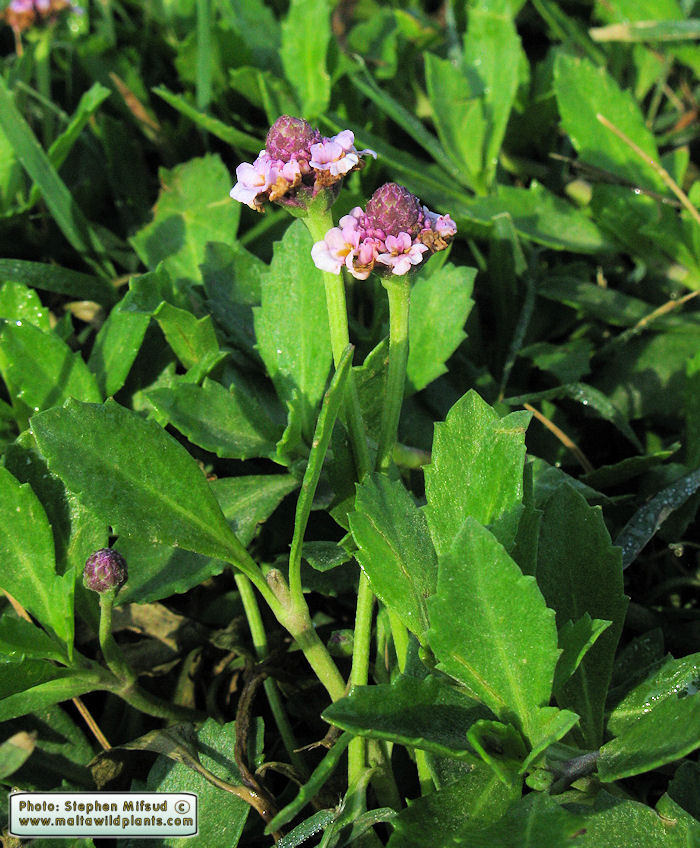
Lippia nodiflora, also known as Lippia repens, is a low-maintenance, spreadable ornamental plant that has gained popularity among gardeners and those looking to add some greenery to their spaces. This article will delve into the characteristics, cultivation, and uses of Lippia nodiflora, as well as provide guidance on where to purchase pre-grown plants.
Characteristics
Lippia nodiflora is a herbaceous plant with small dimensions, belonging to the Verbenaceae family. Native to South America, it has been widely distributed in Europe and Italy, thriving in mild climates such as the Mediterranean. Its growth habit is tappezzante or spreading, covering large areas relatively quickly.
The roots of Lippia nodiflora are not very deep, while the aerial part consists of slender stems that almost touch the ground, producing small radicles at their tips, which eventually root and spread, forming a dense mat. The leaves are arranged in pairs, with short, pointed tips and an oval shape, featuring either dentate or frayed margins. Leaf color can vary depending on the type of Lippia nodiflora and environmental conditions, ranging from bluish-green to brownish-gray, especially during harsh winters.
Foliage
The plant’s leaves are a key distinguishing feature, providing both aesthetic appeal and medicinal benefits. When in bloom, the flowers become even more striking, appearing in shades of yellow, pink, purple, or white, often resembling clusters of tiny blossoms. These delicate blooms are rich in nectar, attracting bees and butterflies.
While less noticeable than the flowers, Lippia nodiflora also produces seed pods containing two cells with grayish seeds that eventually drop to the ground, sprouting into new plants. This prolific reproduction method allows for rapid colonization of areas, forming dense “colonies” of the plant.
Cultivation
Lippia nodiflora is relatively easy to care for and can thrive in various environments, as long as it receives full sun. In regions with extreme temperatures, protection from prolonged and intense frosts is essential. The plant’s ability to survive mild winters makes it suitable for coastal areas, where water scarcity is common.
Soil Requirements
Lippia nodiflora prefers well-draining soil, rich in organic matter, and a slightly acidic pH range (5.5-6.5). It can tolerate a wide range of soils but performs best when grown in fertile ground with adequate moisture.
Irrigation
While Lippia nodiflora can tolerate some drought, regular watering is necessary during periods of active growth, especially when flowers are in bloom. However, it is crucial to avoid overwatering, which could lead to root rot and other issues.
Pruning and Training
Regular pruning helps control the plant’s spread and encourages new growth. Remove dead or damaged leaves to maintain its appearance and promote healthy development. Pinching off flower buds during periods of rapid growth can also help direct energy towards foliage production.
Propagation
Lippia nodiflora can be propagated using seeds or vegetative methods. Seeds germinate best in spring, while the plant can also spread through underground stems (rhizomes) that develop from nodes on the foliage, resulting in rapid propagation.
Where to Buy Pre-Grown Plants
Pre-grown Lippia nodiflora plants are widely available for purchase online or at local nurseries. Amazon offers a convenient option for purchasing and shipping plants directly to your location.
Opinions
Lippia nodiflora has gained popularity due to its low-maintenance requirements, drought tolerance, and versatility in various applications. It is particularly suitable for areas with limited space or water availability. Its medicinal properties have also earned it recognition as a potential remedy for certain health issues.
Some varieties of Lippia nodiflora exhibit specific benefits, such as being used as a natural sweetener for diabetics (Lippia dulcis) and in the production of dental care products due to its mint-like flavor.
Uses
Lippia nodiflora is widely used in landscaping and gardening, providing an attractive groundcover that can thrive in poor soil conditions. It is also employed in herbal medicine as a treatment for digestive issues, anxiety, and other health concerns.
In the culinary world, Lippia nodiflora is utilized as a natural sweetener, particularly among those with diabetes or sensitivity to sugar. The plant’s leaves are used to make teas, tinctures, and other herbal remedies.
Medicinal Benefits
The medicinal properties of Lippia nodiflora have been well-documented in traditional medicine for centuries. Its essential oil contains compounds such as camphor, borneol, and bornyl acetate, which contribute to its antiseptic, anti-inflammatory, and antimicrobial activities.
Lippia nodiflora is also used to treat digestive issues, including indigestion, flatulence, and diarrhea. Additionally, it has been reported to exhibit analgesic, expectorant, and sedative properties, making it a valuable addition to natural remedies for various health concerns.
Environmental Impact
As an invasive species in some regions, Lippia nodiflora can outcompete native vegetation, potentially disrupting local ecosystems. In areas where it is not well-established, controlling its spread through regular pruning or mowing can help mitigate this risk.
However, when properly cultivated and maintained, Lippia nodiflora can be a valuable addition to gardens, parks, and natural landscapes, providing habitat for wildlife and supporting biodiversity.
In Conclusion
Lippia nodiflora is a versatile and drought-tolerant ornamental plant that has gained popularity worldwide due to its low-maintenance requirements, medicinal properties, and various uses. Its adaptability in different environments makes it an excellent choice for gardeners and those looking to add some greenery to their spaces.
When purchasing pre-grown Lippia nodiflora plants, ensure you buy from reputable nurseries or online sellers that guarantee the plant’s health and quality. Regular pruning, proper watering, and protection from extreme temperatures can help promote its growth and longevity.
By embracing this low-maintenance ornamental plant, gardeners can create beautiful landscapes while contributing to a healthier environment for both humans and wildlife.


