
As we explore the vast world of herbs and plants, one species stands out for its remarkable properties and uses – the Borragine (Borago officinalis). Commonly known as a common annual plant, it belongs to the Borraginaceae family and is found in almost every part of the globe. In this article, we will delve into the botanical characteristics of Borragine, its medicinal and culinary uses, and provide valuable insights on how to harness its benefits.
Botanical Characteristics of Borragine
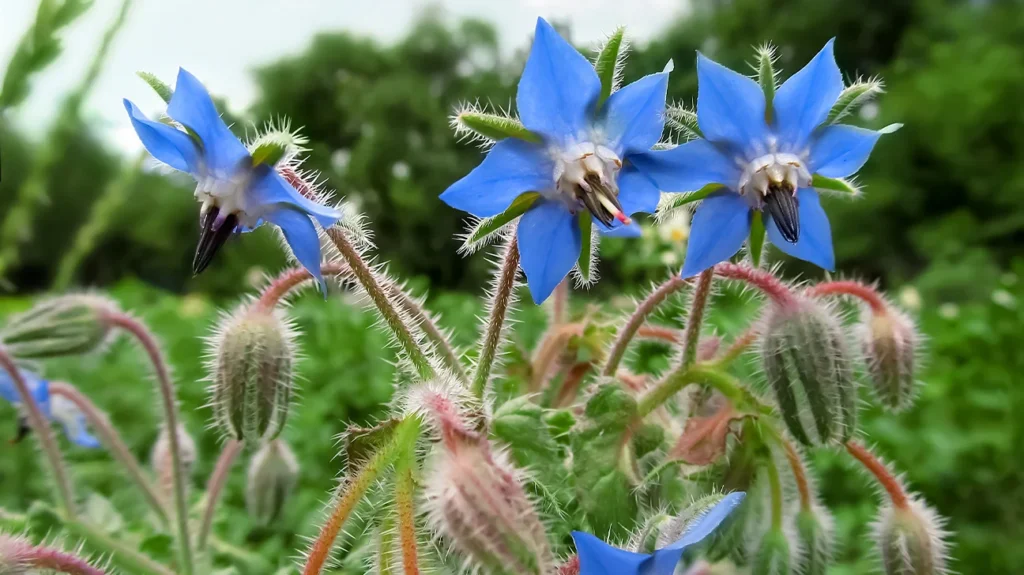
The Borragine is an annual herbaceous plant with a robust stem covered in rigid hairs, and soft, velvety leaves that are green but not overly bright. The flowers are a stunning shade of blue-tending-to-violet, with dark stamens, arranged in clusters resembling a star. The fruits are small and inconspicuous, containing numerous tiny seeds.
Medicinal Uses of Borragine
Borragine has been employed for centuries by ancient civilizations, including the Romans, to combat melancholy and other ailments. Similarly, the School of Salerno’s physicians also recognized its therapeutic potential. Today, we can appreciate the validity of their claims. The plant’s various parts, including seeds, flowers, leaves, and stems, offer numerous health benefits.
- Emollient and Anti-inflammatory Properties: Borragine contains essential oils such as tannin, resina, saponins, palmitic acid, potassium nitrate, calcium, and mucilage.
- Digestive and Respiratory Benefits: The plant’s seeds are rich in gamma-linolenic acid (GLA) and linoleic acid, both omega-3 and omega-6 fatty acids that play a vital role in metabolism, energy production, cell membrane formation, and oxygen delivery.
- Antiseptic and Antibacterial Properties: Borragine has been used to treat various oral infections and inflammatory conditions, such as psoriasis and eczema.
Culinary Uses of Borragine
Borragine is a versatile herb that can be incorporated into various dishes, offering a refreshing and soothing experience. Here are some examples:
- Infusions and Decoctions: Fresh or dried leaves and flowers can be used to make teas and infusions, which have been shown to relieve respiratory issues and reduce inflammation.
- Salads and Garnishes: The plant’s leaves and flowers can add a unique flavor and aroma to salads, soups, and other dishes. They can also be used as a garnish for vegetables and meats.
Caution: Precautions and Side Effects
While Borragine is generally safe to consume, it is crucial to exercise caution due to its potential side effects:
- Liver Damage: High doses of pirrolizidin, an alcaloid in the plant, may cause liver problems.
- Allergic Reactions: Some individuals may experience allergic reactions when consuming Borragine.
Cultivation and Harvesting
Borragine can be grown in a variety of environments, including gardens, greenhouses, and indoor spaces. To cultivate Borragine, follow these steps:
- Choose a location with plenty of sunlight (at least 4-6 hours per day).
- Plant seeds indoors 6-8 weeks before the last frost date.
- Transplant seedlings to larger pots or directly into the garden when they have two sets of leaves.
Preparation and Usage
To prepare Borragine for medicinal use, follow these steps:
- Harvest fresh or dried leaves and flowers.
- Dry the plant material thoroughly to prevent moisture buildup.
- Grind the dried material into a fine powder using a mortar and pestle or coffee grinder.
Traditional Remedies
Borragine has been used in various traditional remedies for centuries:
- Digestive issues: Borragine tea can be consumed as a warm beverage to alleviate digestive problems.
- Respiratory issues: Borragine infusions have been shown to relieve respiratory symptoms such as coughing and congestion.
- Skin conditions: Borragine oil has been used topically to treat skin conditions like eczema, psoriasis, and acne.
Cosmetic Uses
Borragine can be used in cosmetics to create soothing and nourishing products:
- Moisturizers: Borragine oil can be added to moisturizers to provide hydration and soothe dry skin.
- Face masks: Borragine infusions can be mixed with water or honey to create a face mask that alleviates acne, reduces inflammation, and nourishes the skin.
Culinary Uses
Borragine can be used in various culinary applications:
- Salads: The plant’s leaves and flowers can add a unique flavor and aroma to salads.
- Soups: Borragine infusions have been shown to relieve respiratory symptoms such as coughing and congestion.
- Teas: Fresh or dried leaves and flowers can be used to make teas that alleviate digestive issues.
Precautions: Interactions with Medications
Borragine may interact with certain medications, including:
- Blood thinners: Borragine may increase the risk of bleeding when taken with blood thinners.
- Diabetes medications: Borragine may lower blood sugar levels when taken with diabetes medications.
Conclusion
In conclusion, the Borragine is a remarkable plant with numerous medicinal and culinary uses. Its unique properties make it an excellent addition to a healthy lifestyle. By harnessing its benefits, we can enjoy improved overall health, alleviate various ailments, and savor delicious and nutritious meals.
Frequently Asked Questions (FAQs)
- What are the benefits of Borragine?
- Emollient and anti-inflammatory properties
- Digestive and respiratory benefits
- Antiseptic and antibacterial properties
- Can I use Borragine for medicinal purposes?
- Consult a healthcare professional before using Borragine as medicine.
- Is Borragine safe to consume?
- Consume in moderation due to potential side effects, such as liver damage and allergic reactions.
- How do I prepare Borragine for medicinal use?
- Consult a healthcare professional or a qualified herbalist before preparing Borragine for medicinal purposes.
- Can I grow Borragine at home?
- Yes, you can grow Borragine in your garden, provided it receives adequate sunlight and water.
- What are the culinary uses of Borragine?
- Infusions, decoctions, salads, garnishes, and more
- Can I use Borragine for cosmetic purposes?
- Yes, Borragine can be used in cosmetics to create soothing and nourishing products.
By understanding the properties and uses of Borragine, we can unlock its full potential and enjoy a healthier, happier life.


