
Introduction
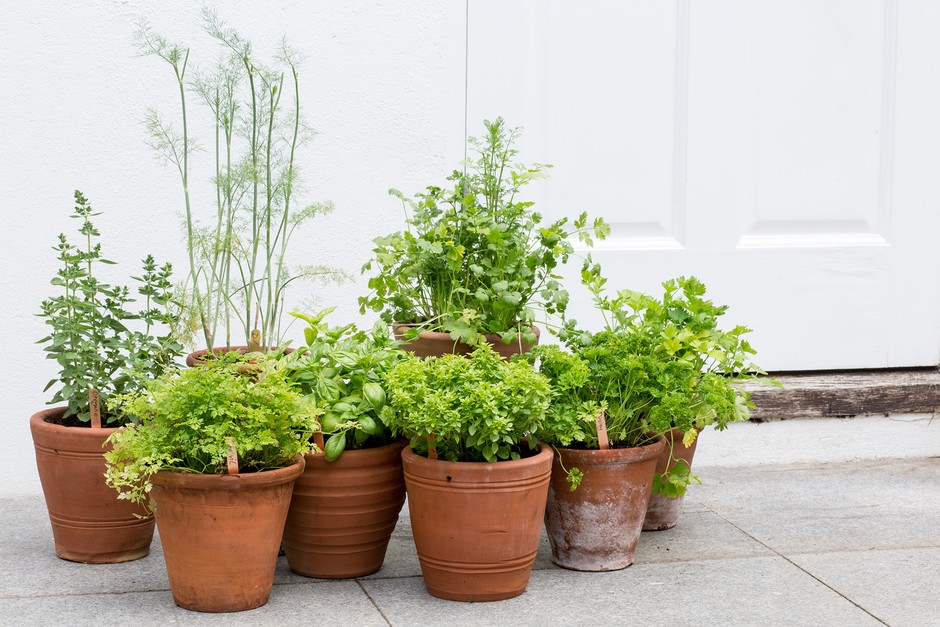
When it comes to growing aromatic herbs in pots, many people are unsure where to start. With so many varieties of fragrant plants to choose from, it can be overwhelming to decide which ones to cultivate. In this article, we will explore the best practices for growing aromatic herbs in pots, including the most suitable plants for indoor and outdoor cultivation.
Choosing the Right Plants
Not all aromatic herbs are created equal when it comes to pot cultivation. Some plants are more resistant to neglect and require less maintenance than others. Here are some of the easiest-to-grow aromatic herbs that thrive in pots:
- Basil and red basil: These popular herbs love full sun and can tolerate a range of soil conditions.
- Chives (onion grass): Chives prefer partial shade and well-draining soil, making them an ideal choice for indoor containers.
- Mint: While mint is known to be invasive, it’s relatively easy to grow in pots. Be sure to contain its spreading habit with a sturdy planter or a pot with good drainage.
- Rosemary: This drought-tolerant herb prefers full sun and well-draining soil, making it perfect for outdoor pots on a balcony or patio.
- Sage: Like rosemary, sage is a low-maintenance herb that thrives in dry conditions. It’s ideal for indoor containers or outdoor pots with good drainage.
- Thyme: This versatile herb comes in many varieties and can be grown indoors or outdoors. It prefers well-draining soil and partial shade.
Creating a Successful Pot Cultivation System
To ensure the health and success of your aromatic herbs, follow these basic guidelines:
- Use a container that is at least 6-8 inches deep to accommodate the herb’s root system.
- Choose a potting mix specifically designed for herbs, which will retain moisture but also drain excess water effectively.
- Water your herbs regularly, but avoid overwatering. Most herbs prefer moist soil but can be susceptible to root rot if the soil is too wet.
- Provide sufficient sunlight for your herbs. Most aromatic herbs require at least 4-6 hours of direct sunlight per day.
Tips and Tricks
Here are some additional tips for growing aromatic herbs in pots:
- Consider using a self-watering planter or a smart pot to minimize watering frequency.
- Prune your herbs regularly to promote bushy growth and prevent them from becoming leggy.
- Harvest your herbs frequently to encourage new growth and prevent the plant from flowering.
Indoor vs. Outdoor Cultivation
Both indoor and outdoor cultivation have their advantages when it comes to growing aromatic herbs in pots. Here are some factors to consider:
- Lighting: Most herbs require bright, indirect light for optimal growth. If you’re cultivating indoors, choose a south-facing window or use grow lights.
- Temperature: Herbs generally prefer daytime temperatures between 65-75°F (18-24°C) and nighttime temperatures around 55-65°F (13-18°C).
- Humidity: Many herbs thrive in humid environments. To create the perfect humidity level for your indoor garden, consider using a humidifier.
Growing Aromatic Herbs Indoors
If you’re looking to grow aromatic herbs indoors, here are some tips to keep in mind:
- Choose compact varieties: Look for dwarf or compact versions of popular herbs like mint, thyme, and rosemary.
- Use shallow containers: Most herbs prefer well-draining soil and don’t need deep pots. Shallow containers can help prevent waterlogged soil.
- Maintain good air circulation: Good air circulation is essential for healthy herb growth. Make sure to leave enough space between containers and provide adequate ventilation.
Growing Aromatic Herbs Outdoors
If you’re looking to grow aromatic herbs outdoors, here are some tips to keep in mind:
- Choose sun-loving varieties: Many aromatic herbs require full sun to partial shade. Choose plants that can thrive in your outdoor conditions.
- Use a well-draining potting mix: Outdoor pots can be prone to waterlogging, so make sure to use a potting mix designed for containers.
- Provide support: Some herbs like mint and lemongrass can become leggy or top-heavy. Provide support with stakes or trellises to keep them upright.
Common Mistakes to Avoid
When growing aromatic herbs in pots, there are some common mistakes to avoid:
- Overwatering: This can lead to root rot and other problems.
- Underpruning: Failing to prune your herbs regularly can lead to leggy growth and reduced flavor.
- Poor soil quality: Using low-quality potting mix or not repotting your herbs often enough can lead to poor plant health.
Frequently Asked Questions
Here are some common questions people ask when growing aromatic herbs in pots:
Q: What is the best way to care for my mint plant?
A: Mint can be invasive, so make sure to contain its spreading habit with a sturdy planter or pot. Regular pruning will also help prevent overcrowding.
Q: Can I grow rosemary indoors?
A: While rosemary prefers full sun and dry conditions, it can thrive in indoor containers if given sufficient light and temperature control.
Q: How often should I water my thyme plant?
A: Thyme prefers well-draining soil and partial shade. Water your thyme plant when the top inch of soil feels dry to the touch.
Q: Can I grow basil indoors?
A: Basil loves full sun, so choose a south-facing window or use grow lights if you’re cultivating indoors.
Q: How do I prevent my herbs from flowering?
A: Regular pruning and harvesting will encourage bushy growth and prevent flowering in most herbs.
Propagation Techniques
Many aromatic herbs can be propagated through cuttings, division, or layering. Here are some specific propagation techniques for popular herb varieties:
- Basil: Pinch off the tips of new shoots to encourage branching.
- Mint: Divide established plants in spring and summer.
- Rosemary: Take 4-6 inch stem cuttings with at least two nodes.
Harvesting and Using Your Herbs
Aromatic herbs are a valuable addition to any kitchen. Here are some tips for harvesting and using your fresh herbs:
- Harvest regularly to encourage new growth and prevent flowering.
- Use scissors or pinch off individual leaves to avoid damaging the plant.
- Chop, chop, chop! Fresh herbs add flavor and aroma to a wide range of dishes.
Conclusion
Growing aromatic herbs in pots is a rewarding experience that can add fresh flavor to any dish. With these tips and guidelines, you’ll be well on your way to creating a thriving herb garden. Whether you’re growing indoors or outdoors, remember to choose the right plants for your conditions, provide optimal care, and harvest regularly to encourage new growth. Happy gardening!


