
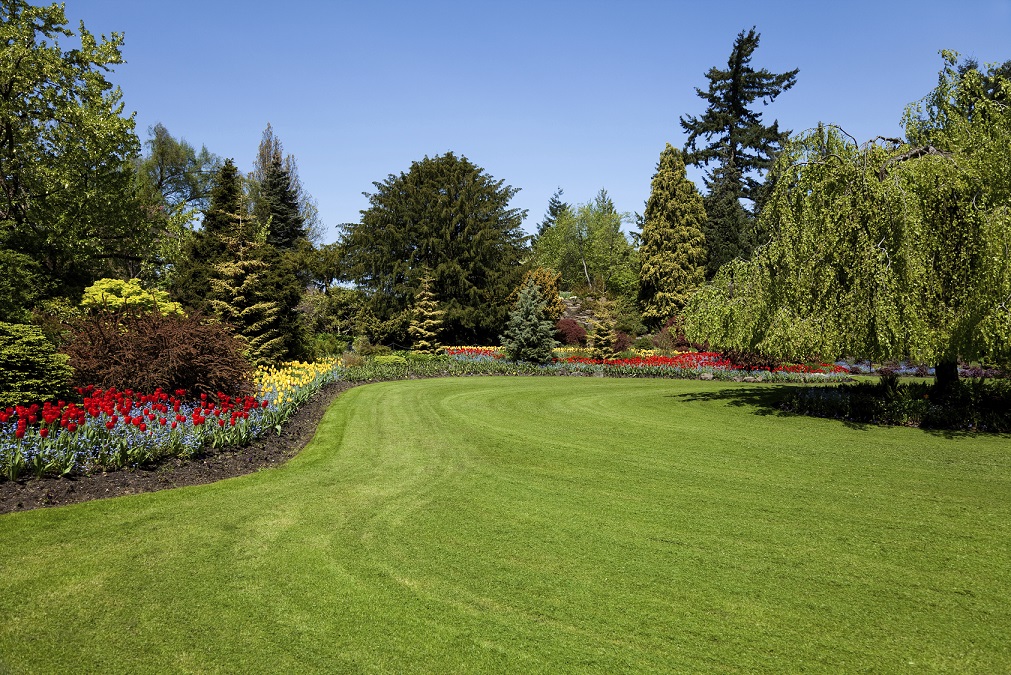
Are you tired of having an unruly lawn that’s more like a jungle? Do you dream of having a lush, green oasis in your backyard that’s the envy of all your friends and neighbors? Well, you’re not alone. Having a perfect lawn is easier said than done, but with some careful planning and attention to detail, it can be achieved.
The Importance of a Well-Maintained Lawn
A well-manicured lawn is more than just a cosmetic pleasure – it’s also an important aspect of outdoor living. A perfectly groomed lawn can increase the value of your property, create a sense of pride and ownership, and even contribute to the aesthetic appeal of your home’s exterior.
But what makes a lawn truly special? The answer lies in its ability to blend seamlessly into the surrounding landscape, creating a harmonious balance between form and function. And at the heart of this harmony is the humble grass itself – or rather, the perfect lawn.
Preparing the Ground
Before you can plant your grass, you need to prepare the ground. This involves removing any debris, rocks, or weeds that could interfere with the growth of your new lawn. Next, you’ll want to aerate and level the soil to create a smooth, even surface.
Aeration helps to improve air circulation and reduce soil compaction, while leveling ensures that your grass grows evenly and prevents any waterlogging issues. And don’t forget to add some fertilizer – this will provide your grass with the nutrients it needs to thrive.
Sowing Your Seeds
Now that your ground is prepared, it’s time to sow your seeds. This is where many people go wrong – they choose a type of grass that’s not suitable for their climate or lifestyle, or they don’t follow the instructions for proper sowing and watering.
To avoid these common mistakes, make sure you choose a grass species that’s well-suited to your local climate and intended use. For example, if you want an ornamental lawn, you’ll need to choose a type of grass that’s low-maintenance and drought-resistant. Similarly, if you’re planning to host sports events or parties, you’ll need a more durable and resilient grass.
The First Few Weeks
After sowing your seeds, it’s essential to provide them with the right conditions for growth. This means keeping the soil consistently moist, but not waterlogged – just like a good cup of coffee, you want the perfect balance of moisture and energy.
As the days pass, you’ll start to see signs of life emerging from the ground – tiny shoots of green that will eventually become your beautiful new lawn. And don’t worry if it takes a few weeks for them to appear; with proper care and attention, they should be up and growing in no time.
Maintenance is Key
To keep your lawn looking its best, regular maintenance is essential. This includes mowing, watering, and fertilizing – as well as controlling weeds and pests.
The key is to strike a balance between keeping your lawn healthy and preventing it from becoming too manicured or uniform. You want to create a natural, organic look that blends seamlessly into the surrounding landscape.
Pruning Your Lawn
One of the most important tasks when maintaining a perfect lawn is pruning – specifically, the first cut after the grass has started to grow. This helps to regulate growth and prevent any unwanted seed heads from forming.
To prune effectively, use a sharp mower blade and follow these simple guidelines:
- Cut your grass at an angle, using a slight overlap to create a clean finish
- Maintain a height of 30-40 mm for the first cut, then gradually lower it over the coming weeks as needed
Tips and Tricks
Here are some additional tips and tricks to help you achieve a perfect lawn:
- Use a mulching mower: Mulching mowers chop grass clippings into fine particles that act as natural fertilizer, reducing the need for chemical fertilizers.
- Dethatch your lawn: Dethatching removes dead grass and debris from the soil surface, promoting healthy growth and preventing pest infestations.
- Use a rain gauge: A rain gauge helps you measure rainfall accurately, ensuring that your lawn receives the right amount of moisture for optimal growth.
Frequently Asked Questions
- How often should I mow my lawn?
- Mowing frequency depends on grass type, climate, and growth rate. As a general rule, aim to mow once every week during the growing season.
- What’s the best way to fertilize my lawn?
- Choose a slow-release fertilizer that provides nutrients over an extended period. Follow package instructions for application rates and timing.
- How do I control weeds in my lawn?
- Use a combination of pre-emergent treatments, mulching, and cultural practices (e.g., proper mowing and watering) to keep weeds under control.
- What’s the best way to aerate my lawn?
- Rent an aerator or hire a professional to ensure effective aeration. This helps improve air circulation, reduce soil compaction, and promote healthy root growth.
- How can I prevent pests from damaging my lawn?
- Keep your lawn well-maintained, use natural pest control methods (e.g., neem oil), and consider applying preventative treatments during peak growing seasons.
By following these simple steps and tips, you’ll be on your way to creating a beautiful, perfect lawn that’s the envy of everyone in your neighborhood.


