
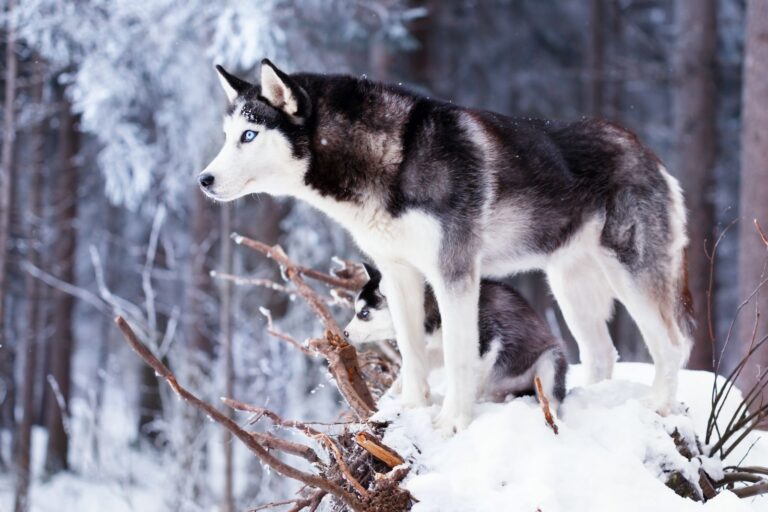
As one of the most popular breeds worldwide, the Siberian Husky has captured the hearts of many dog enthusiasts. Known for their striking appearance, friendly demeanor, and high energy levels, it’s no wonder why this breed is a favorite among families and outdoor enthusiasts alike.
Origins of the Siberian Husky
The Siberian Husky has its roots in Siberia, where it was bred by the Chukchi people to pull sleds and assist with hunting. The breed was later introduced to Alaska by William Goosak, a fur trader, and developed into the Alaskan Husky we know today. In 1930, the American Kennel Club (AKC) recognized the Siberian Husky as a distinct breed.
Characteristics of the Siberian Husky
Physical Characteristics
- Height: 53-60 cm (20-23 in)
- Weight: 15-28 kg (33-62 lb)
- Coat: Double-layered, with a thick undercoat and a longer, coarser outer layer
- Color: Variety of colors, including black, gray, red, and white
Personality Traits
- Friendly and outgoing
- Intelligent and trainable
- Independent and stubborn at times
- Energetic and requires regular exercise
- Loyal and affectionate with family members
Health and Nutrition
Siberian Huskies are generally a healthy breed, but like all breeds, they can be prone to certain health issues. Regular veterinary check-ups and a balanced diet can help ensure your Siberian Husky lives a long and happy life.
Common Health Issues
- Hip dysplasia
- Eye problems (e.g., cataracts, progressive retinal atrophy)
- Hypothyroidism
- Allergies
Training and Socialization
Siberian Huskies are intelligent and trainable, but they can be independent and stubborn at times. Consistent training and socialization from an early age are crucial to develop good behavior and prevent unwanted habits.
Tips for Training
- Start training early (8-10 weeks)
- Use positive reinforcement techniques
- Be patient and consistent
- Provide plenty of exercise and mental stimulation
Grooming and Hygiene
Siberian Huskies require regular grooming to maintain their coat and overall health. This includes:
- Brushing the coat 2-3 times a week
- Trimming the coat every 6-8 weeks
- Cleaning the ears regularly
- Brushing the teeth daily
Exercise and Activity
Siberian Huskies are high-energy dogs that require regular exercise to stay happy and healthy. This includes:
- Daily walks (30 minutes minimum)
- Playtime in a securely fenced area
- Mental stimulation through puzzle toys and obedience training
- Opportunities for running and playing off-leash
Living with a Siberian Husky
Siberian Huskies are social dogs that thrive on human interaction. They require regular attention, exercise, and training to prevent boredom and destructive behavior.
Tips for Living with a Siberian Husky
- Provide a spacious living area
- Create a routine that includes regular exercise and mental stimulation
- Spend quality time with your dog daily
- Consider enrolling in obedience classes or puppy socialization sessions
Conclusion
The Siberian Husky is a versatile breed that can thrive in a variety of environments. With proper care, attention, and training, this beautiful dog can become a loving companion for many years to come.
Frequently Asked Questions (FAQs)
Q: What is the average lifespan of a Siberian Husky?
A: 12-15 years
Q: How much exercise does a Siberian Husky need?
A: At least 30 minutes of moderate exercise per day, including walks and playtime.
Q: Can I leave my Siberian Husky alone for long periods?
A: No, Siberian Huskies are social dogs that thrive on human interaction. They require regular attention and exercise to prevent boredom and destructive behavior.
Q: Are Siberian Huskies good with children?
A: Yes, Siberian Huskies are generally excellent with children, but as with any breed, it’s essential to socialize them well from an early age.
Q: Can I train my Siberian Husky to pull a sled?
A: Yes, Siberian Huskies were originally bred for sled pulling. With proper training and conditioning, they can learn to harness their natural instincts to pull a sled safely and efficiently.
Q: Are Siberian Huskies prone to any specific health issues?
A: Yes, Siberian Huskies are prone to hip dysplasia, eye problems (e.g., cataracts, progressive retinal atrophy), hypothyroidism, and allergies. Regular veterinary check-ups can help identify potential issues early on.
Q: Can I get a purebred Siberian Husky from a reputable breeder?
A: Yes, many reputable breeders specialize in breeding healthy, well-socialized Siberian Huskies. Be sure to research the breeder thoroughly and ask plenty of questions before making a purchase.
Additional Tips for New Owners
Q: How do I choose a good breeder?
A: Research the breeder thoroughly, ask about health clearances, and ensure they prioritize temperament and socialization.
Q: What is the cost of owning a Siberian Husky?
A: Initial costs (puppy purchase, spaying/neutering, vaccinations) can range from $1,000-$5,000. Ongoing costs (food, vet bills, supplies) can range from $500-$1,000 per year.
Q: Are there any specific needs for my Siberian Husky’s coat?
A: Yes, regular brushing and trimming are necessary to maintain the coat’s health and appearance.
Q: Can I get my Siberian Husky’s nails trimmed at home?
A: No, it’s recommended to have a professional groomer or veterinarian trim your dog’s nails to prevent injury and promote healthy growth.


