
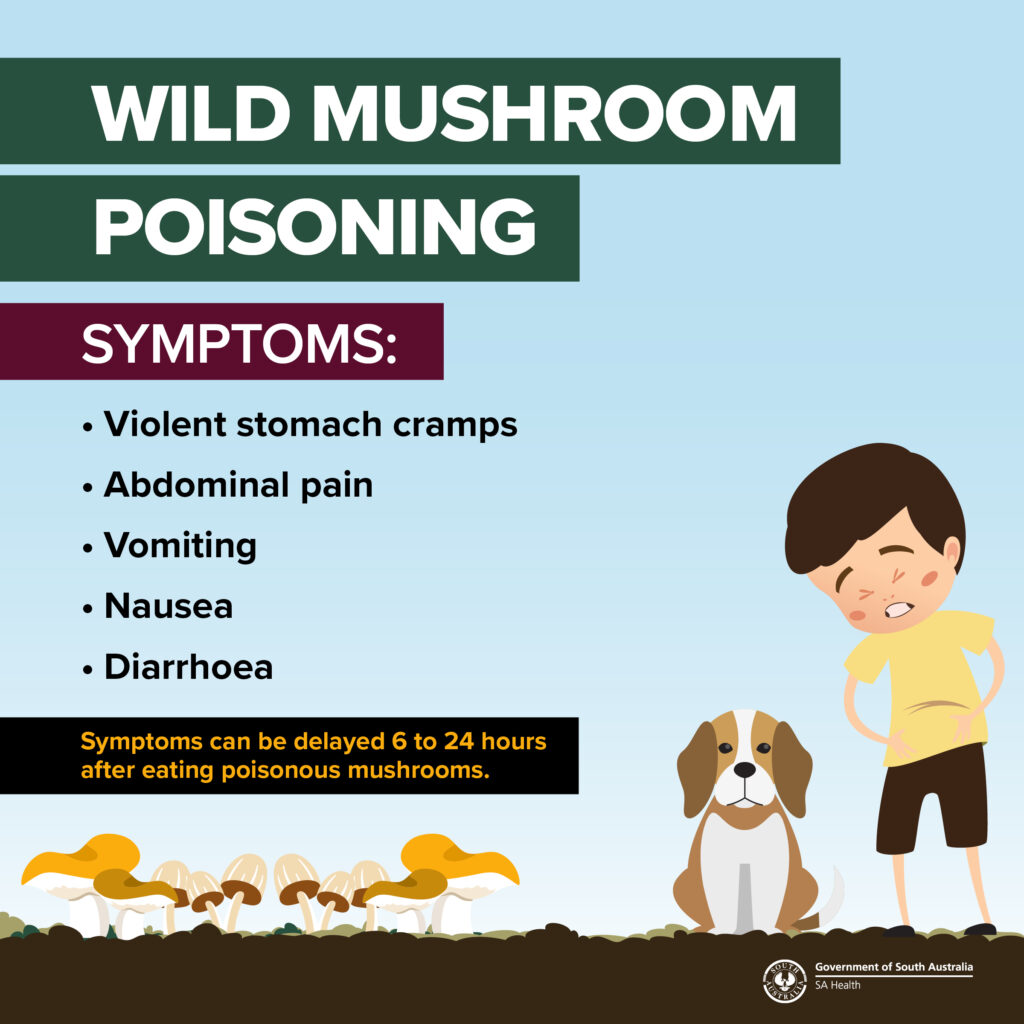
As an avid mushroom enthusiast, it’s essential to know the signs and symptoms of poisonous mushrooms. These fungi can cause severe health issues, including organ damage, respiratory problems, and even death. In this article, we’ll delve into the world of poisonous mushrooms, exploring their types, symptoms, and how to identify them.
What are Poisonous Mushrooms?
Poisonous mushrooms are considered such due to their ability to cause harm even after prolonged cooking. These fungi can lead to intoxication or poisoning, resulting in a range of health problems. There are many species of poisonous mushrooms found in Italy, some of which are even deadly.
Symptoms of Poisoning by Mushrooms
The symptoms of mushroom poisoning can vary depending on the type of fungus and the amount consumed. However, there are common signs to look out for:
- Sindrome a breve latenza: Symptoms appear within 30 minutes to 6 hours after consumption.
- Sindrome Panterinica: Characterized by symptoms such as drowsiness, disorientation, confusion, convulsions, and agitation.
- Sindrome Muscarinica: Includes symptoms like lacrimation, hypotension, and difficulty breathing.
- Sindrome Coprinica: Occurs when the consumption of poisonous mushrooms is accompanied by alcohol.
- Sindrome Giromitrica: Features symptoms such as sonnolenza, agitazione, convulsions, anemia emolitica, and damage to the liver and kidneys.
Symptoms of Poisoning by Mushrooms (Long-term)
In some cases, symptoms may appear 6-20 hours after consumption and can persist for up to 40 hours. These include:
- Sindrome Falloidea: Characterized by repeated episodes of vomiting and diarrhea, followed by acute hepatitis with the possibility of transplant.
- Sindrome Orellanica: Caused by the ingestion of poisonous mushrooms, leading to renal insufficiency requiring dialysis or kidney transplant.
- Sindrome Giromitrica (lungo tempo): Features symptoms such as sonnolenza, agitazione, convulsions, anemia emolitica, and damage to the liver and kidneys.
Poisonous Mushrooms to Watch Out For
Some of the most common poisonous mushrooms found in Italy include:
- Russula emetica
- Amanita muscaria
- Boletus satanas
- Amanita pantherina
- Tricholoma pardiunum
- Agaricus zanthoderma
- Entoloma lividum
- Omphalotus olearius
- Coprinus atramanterius
- Clitocybe nebularis
- Clitocybe cerussata
- Psilocybe moravica
What to Do in Case of Mushroom Poisoning
If you suspect that you have ingested poisonous mushrooms, seek medical attention immediately. Contact the nearest antivenom center or visit the emergency room at your local hospital. If possible, bring the mushroom with you for identification purposes.
Guidelines for Avoiding Poisonous Mushrooms
To minimize the risk of poisoning by mushrooms:
- Consult a professional mycologist before consuming wild mushrooms.
- Follow guidelines for safe foraging and cooking practices.
- Be aware of common poisonous mushroom species found in your area.
- Educate yourself on the risks associated with each type of mushroom.
Prevention Strategies
To ensure a safe and enjoyable experience when exploring the world of fungi:
- Consult a Professional: Consult a professional mycologist or an expert in wild mushrooms before attempting to forage for them.
- Use Safe Foraging Practices: Always follow safe foraging practices, such as wearing gloves, bringing a guidebook, and being aware of your surroundings.
- Be Aware of Your Surroundings: Be aware of the types of plants and fungi that grow in your area and take steps to avoid common poisonous species.
- Cooking Precautions: When cooking with wild mushrooms, always cook them thoroughly before consumption.
- Educate Yourself: Educate yourself on the risks associated with each type of mushroom and be aware of any specific regulations or guidelines for foraging in your area.
Treatment Options
If you have ingested poisonous mushrooms, seek medical attention immediately. Treatment options may include:
- Antivenom Administration: Antivenom may be administered to counteract the effects of the toxin.
- Hospitalization: Hospitalization may be necessary to monitor and treat any complications.
- Supportive Care: Supportive care, such as hydration and nutrition support, may be provided to help manage symptoms.
Conclusion
Poisonous mushrooms can pose a significant risk to human health. By understanding the symptoms, types, and prevention strategies for poisonous mushrooms, you can enjoy a safe and delicious experience when exploring the world of fungi. Always consult a professional mycologist before consuming wild mushrooms and follow guidelines for safe foraging and cooking practices. If you suspect that you have ingested poisonous mushrooms, seek medical attention immediately.
Additional Resources
- Italian Association of Mycologists: A comprehensive resource on Italian mycology, including information on poisonous mushroom species and safe foraging practices.
- Poisonous Mushroom Database: An online database of poisonous mushroom species found in Italy, complete with photographs and identification guides.
- Mushroom Identification Guides: A collection of guides for identifying edible and poisonous mushrooms, available in print and digital formats.
Final Thoughts
Poisonous mushrooms can be a significant threat to human health. By understanding the symptoms, types, and prevention strategies for poisonous mushrooms, you can enjoy a safe and delicious experience when exploring the world of fungi. Always consult a professional mycologist before consuming wild mushrooms and follow guidelines for safe foraging and cooking practices. If you suspect that you have ingested poisonous mushrooms, seek medical attention immediately.
References
- “Poisonous Mushrooms in Italy” by Italian Association of Mycologists
- “The Complete Guide to Edible and Poisonous Mushrooms” by Mushroom Identification Guides
- “Mushroom Poisoning: A Review of the Literature” by Journal of Medical Toxicology


