
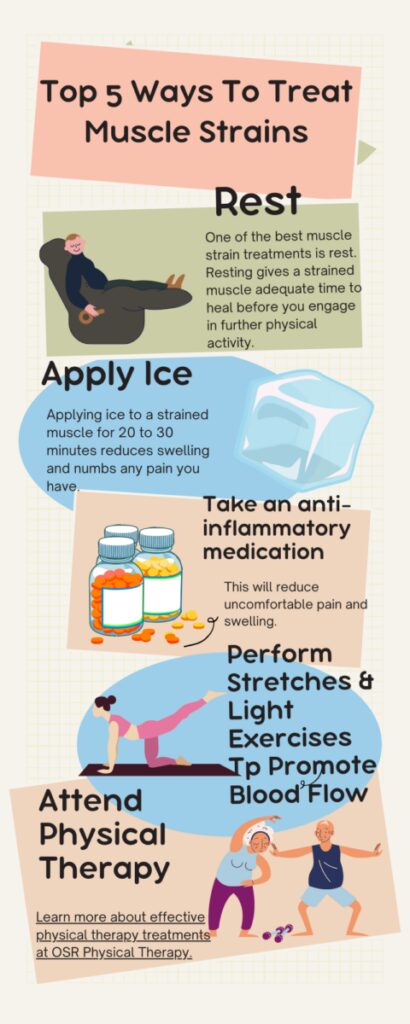
A muscle strain is a frustrating consequence that can occur when you use your body in a potentially traumatic way, either for work or sports. Caused by excessive muscle tension during specific activities, a muscle strain can be partial or total and may even damage small blood vessels, causing bleeding, ecchymosis, and pain caused by nerve irritation in the affected area.
But what are the symptoms of a muscle strain? And how do you treat them?
Symptoms of Muscle Strain
The main symptoms of a muscle strain include:
- Swelling, ecchymosis, or redness due to the injury
- Pain even at rest
- Increased pain when using the affected muscle or joint
- Weakness of the muscle or tendons
- Inability to use the muscle regularly
Note that the symptoms can vary significantly from person to person. So, how do you treat a muscle strain?
Home Remedies for Muscle Strain
While it’s not always necessary to seek medical attention, applying ice and elevating the affected area can help alleviate the pain. Applying heat instead of ice may also be beneficial once the swelling has subsided.
It’s essential to use protection when applying ice or heat, such as a towel or cloth, to avoid direct contact with the skin.
In addition to ice and elevation, taking over-the-counter anti-inflammatory medications (such as naproxen or ibuprofen) can help reduce pain and inflammation. However, it’s crucial to consult with your doctor before taking any medication, especially if you have pre-existing kidney problems or a history of gastrointestinal bleeding.
Moreover, compression bandages can provide additional support, and rest is vital to allow the affected area to heal.
Medical Treatment for Muscle Strain
In most cases, a muscle strain doesn’t require specific medical treatment. However, consulting with your doctor can help determine the extent of the injury and guide you on how to recover more efficiently.
Your doctor may recommend physical therapy or exercises to strengthen your muscles and tendons. They might also advise against certain activities or suggest taking time off work to allow for proper healing.
In some cases, your doctor may recommend additional treatments, such as corticosteroid injections or even surgery.
Preventing Muscle Strains
While muscle strains can occur unexpectedly, there are steps you can take to reduce the risk:
- Train safely: Engage in regular stretching exercises to keep your muscles flexible and strong. Make sure to consult with a healthcare professional before starting any new exercise program.
- Warm up before intense activities: Start with low-intensity exercises like jogging or cycling to get your blood flowing and your muscles ready for more demanding activities.
By taking these precautions, you can minimize the risk of muscle strains and enjoy a healthier, more active lifestyle.
Common Causes of Muscle Strain
Some common causes of muscle strain include:
- Overuse: Engaging in repetitive activities without adequate rest and recovery time
- Poor posture: Maintaining poor posture for extended periods can put strain on muscles and joints
- Trauma: Suffering a sudden injury or impact can cause muscle strain
- Age-related wear and tear: As we age, our muscles naturally lose strength and flexibility
- Nutritional deficiencies: Lack of essential nutrients like vitamin D, calcium, and magnesium can contribute to muscle weakness
Muscle Strain in Different Age Groups
Muscle strain can affect people of all ages. Here are some common age-related factors that may increase the risk:
- Children and adolescents: Growing muscles and joints can make them more susceptible to strain
- Young adults: Engaging in high-impact activities without proper training or conditioning can lead to muscle strain
- Middle-aged individuals: As we age, our muscles naturally lose strength and flexibility, making us more prone to strain
- Older adults: Age-related wear and tear, as well as decreased physical activity, can increase the risk of muscle strain
Muscle Strain in Specific Sports
Certain sports are more prone to muscle strain due to the high-impact nature of the activities. Here are some examples:
- Football: The physical demands of football can lead to muscle strain, particularly in the legs and back
- Basketball: Quick changes of direction and jumping can cause muscle strain in the knees, ankles, and lower back
- Volleyball: Jumping and quick movements on the court can put strain on muscles in the legs, hips, and lower back
- Golf: The repetitive motion of golf swings can lead to muscle strain in the shoulders, back, and arms
Muscle Strain Management
Proper management of muscle strain is crucial to ensure a full recovery. Here are some tips:
- Rest and recovery: Allow the affected area time to heal without overexertion
- Stretching exercises: Gentle stretching can help maintain flexibility and reduce stiffness
- Strengthening exercises: Gradually introducing strengthening exercises can help rebuild muscle strength and endurance
By understanding the causes, symptoms, and management strategies for muscle strain, you can take proactive steps to prevent injuries and promote optimal recovery.
Conclusion
In conclusion, a muscle strain is usually treatable with appropriate care and rest at home. In more severe cases, seeking medical attention may be necessary to determine the extent of the injury and develop an effective treatment plan.
If you experience any of these symptoms, don’t hesitate to reach out to your doctor for guidance on how to proceed.
Here are some frequently asked questions related to muscle strains:
Frequently Asked Questions
-
Q: How long does it take to recover from a muscle strain?
A: The recovery time for a muscle strain varies depending on the severity of the injury. In general, most people can recover within 2-4 weeks with proper care and rest.
-
Q: Can I exercise while recovering from a muscle strain?
A: No, it’s essential to avoid strenuous activities until your doctor advises you otherwise. Gentle stretching exercises may be recommended, but they should not cause increased pain or discomfort.
-
Q: Are there any signs that require immediate medical attention?
A: If you experience severe pain, swelling, or difficulty moving the affected limb, seek medical help immediately.
-
Q: Can I use ibuprofen for muscle strain without consulting a doctor?
A: While over-the-counter anti-inflammatory medications like ibuprofen can provide relief, it’s crucial to consult with your doctor before taking any medication, especially if you have pre-existing health conditions or are taking other medications.
-
Q: How can I prevent muscle strains in the future?
A: Engage in regular stretching exercises, warm up before intense activities, and listen to your body to avoid overexertion. Consulting with a healthcare professional can also help you develop a personalized exercise plan.
-
Q: Can muscle strains be caused by poor posture or sitting for extended periods?
A: Yes, prolonged sitting or poor posture can contribute to muscle strain, especially in the neck, back, and shoulders. Maintaining good posture and taking regular breaks to stretch can help reduce the risk of muscle strain.
-
Q: Are there any home remedies that can help alleviate muscle strain pain?
A: While there are no guaranteed cures, applying heat or cold packs, taking anti-inflammatory medications (with a doctor’s guidance), and elevating the affected area can provide relief from muscle strain pain.


