
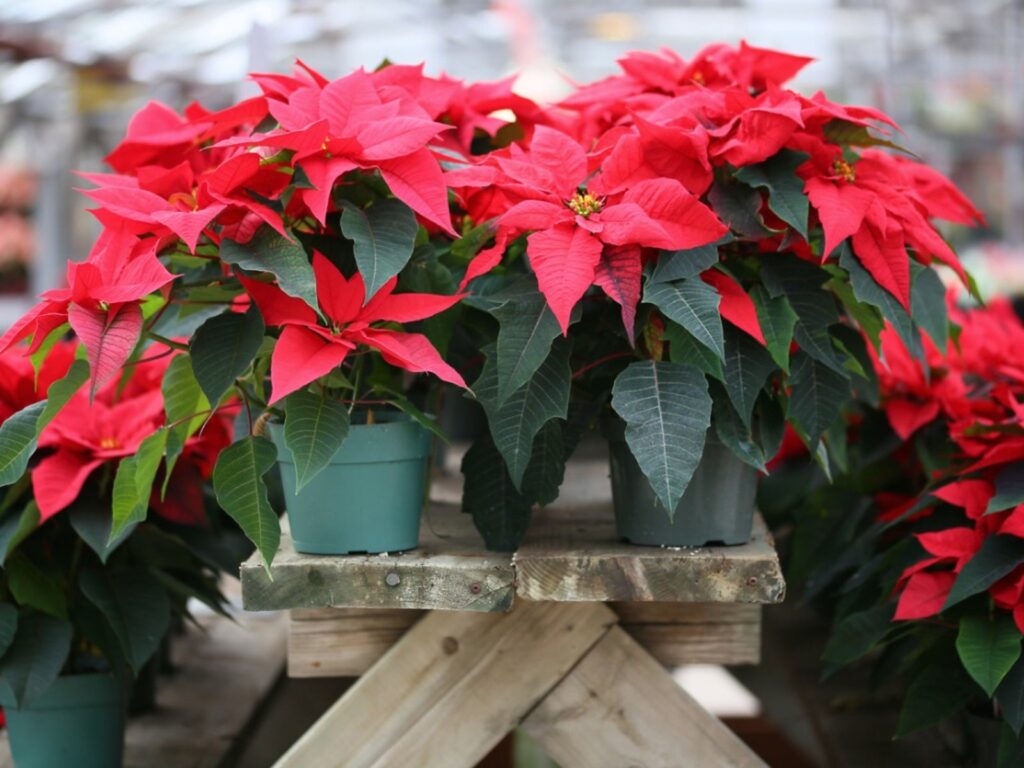
Understanding the Challenges of Reviving the Christmas Star
Are you one of those lucky few who have managed to coax your Christmas star (Euphorbia or Poinsettia pulcherrima) back to life? If so, you should be proud of your green thumb! However, despite the assurances from florists and nursery owners, reviving a Christmas star is not as easy as it seems. The success of this process largely depends on how well the plant was initially cared for.
The Risks of Over-Forcing and Excessive Fertilization
One common mistake that can hinder the ability of your Christmas star to thrive is over-forcing or excessive fertilization. This can weaken its resistance to stress, leading to a poor recovery. In fact, some commercial plantations may even employ a form of “obsolescence programming,” where Christmas stars are bred to bloom for only a few months before dying off, making it easier to replace them.
A Step-by-Step Guide to Reviving Your Christmas Star
So, how can you increase your chances of success? Here’s a step-by-step guide to help you revive your Christmas star:
Pruning and Potting
After the holiday season, wait until your Christmas star starts losing its red bracts (false leaves). Gradually reduce watering as the plant begins to dry out. When the stems are completely bare (usually by late February), prune them back to about a foot in height.
Dormancy Period
Place the pot with your Christmas star in complete darkness for 14 hours a day for 8 weeks (about 2 months). This will simulate winter conditions and help the plant conserve energy.
Re-Planting and Care
Only when spring arrives, around late April or early May, can you re-plant your Christmas star with fresh soil. Choose a soft, well-draining potting mix to prevent root rot. Move the plant outdoors, providing it with partial shade, and resume regular watering and fertilization.
Summer Care
During the hot summer months, keep your Christmas star indoors in a bright, sunny spot to promote color development on its new growth.
Preparation for Next Holiday Season
By late October, bring your Christmas star back indoors and place it in a brightly lit location to encourage the development of new bracts. With proper care, you should be able to enjoy a vibrant, red display throughout the holiday season without needing to purchase a new plant.
Additional Tips and Variations
While traditional red-bracted Christmas stars are still popular, many varieties now come in shades of pink, yellow, and white. Experiment with different colors to add some unique flair to your holiday decor.
Some additional tips for reviving a Christmas star include:
- Monitor temperature: Most Christmas stars prefer daytime temperatures between 65°F to 75°F (18°C to 24°C) and nighttime temperatures around 55°F to 65°F (13°C to 18°C).
- Watch humidity levels: Maintain a relative humidity of 50% to 60% around your Christmas star, especially during the winter months.
- Avoid over-watering: Christmas stars are susceptible to root rot if the soil is too wet. Check the moisture level in the soil daily and adjust watering accordingly.
Frequently Asked Questions
Q: What is the best time to prune my Christmas star?
A: Prune your Christmas star after it starts losing its red bracts in late December or early January. This will help reduce water loss and promote new growth.
Q: Can I grow my Christmas star outdoors year-round?
A: No, Christmas stars are sensitive to extreme temperatures and should be brought indoors during the winter months to protect them from frost damage. In warmer climates, it’s best to keep your Christmas star in a shaded area or bring it indoors during the hottest part of the day.
Q: How often should I water my Christmas star while it’s dormant?
A: Water your Christmas star sparingly during its 8-week dormancy period. Make sure the soil is dry to the touch before watering again.
Q: Can I fertilize my Christmas star during the winter months?
A: No, avoid fertilizing your Christmas star during its dormancy period as this can cause more harm than good.
Q: How long does it take for my Christmas star to bloom after re-planting?
A: It may take 2-3 months for your Christmas star to bloom after re-planting, depending on factors like temperature, light exposure, and watering schedule.
Q: Can I propagate my Christmas star by dividing the roots?
A: Yes, you can propagate your Christmas star by dividing the roots in the spring or fall. Simply separate the roots with a sharp knife or pruning tool, making sure each section has at least one growing point.
Q: Are there any other ways to revive a dead Christmas star?
A: Unfortunately, reviving a dead Christmas star is not always possible. However, you can try using rooting hormone and a humid environment to stimulate new growth.


