
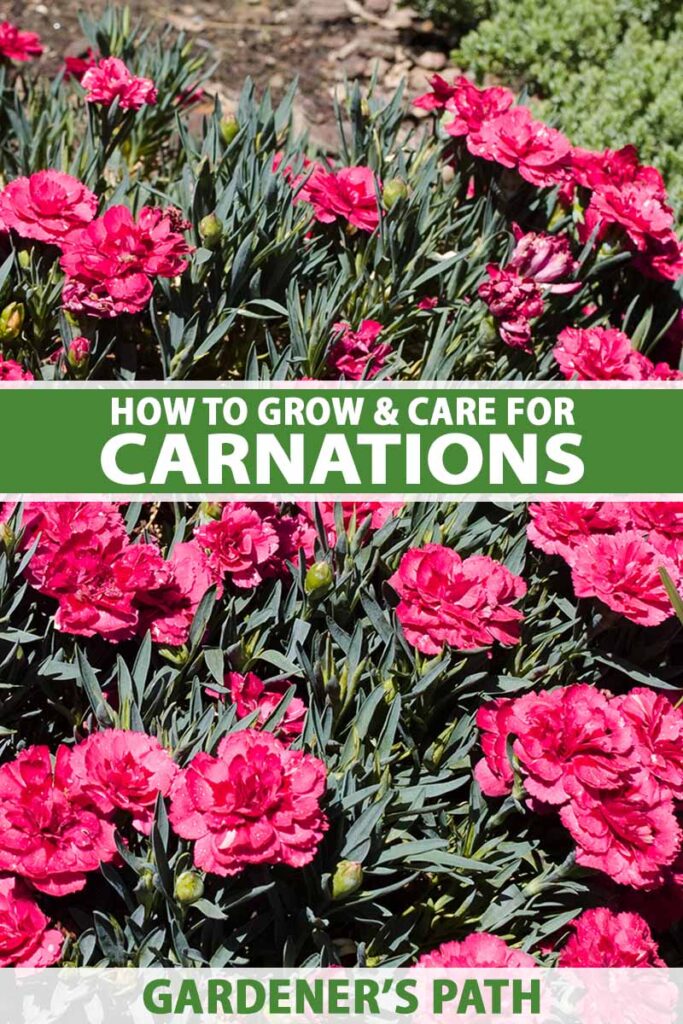
Growing carnations can be a simple and rewarding experience, whether you’re growing them in your garden or in pots. In this article, we’ll guide you through the process of cultivating carnations, including their care, conciminations, and common diseases.
Cultivating Carnations: An Introduction
Carnations are ornamental plants that are commonly used to decorate lawns, gardens, patios, and balconies. They come in a variety of species, including annuals, perennials, and biennials, characterized by showy flowers with many fringed petals in different colors.
The most widely cultivated species is Dianthus caryophyllus, which can be grown as an annual or perennial plant. Some varieties can be grown indoors during the winter months, while others can be grown outdoors year-round. Regardless of the type, carnations require regular care to thrive.
Cultivating Carnations in the Garden
To grow carnations in your garden, follow these steps:
- Choose a location with well-draining soil and full sun: Carnations prefer well-draining soil that is rich in organic matter. They also require at least six hours of direct sunlight per day.
- Avoid compacted and rocky soils: Compact and rocky soils can hinder root growth, making it difficult for the plant to thrive.
- Prepare the soil: Before planting your carnations, prepare the soil by adding organic matter such as compost or manure. This will help improve soil structure and fertility.
- Plant the seeds or seedlings at the same depth as they were previously grown: Planting the seeds or seedlings at the same depth can help them establish a strong root system.
- Water thoroughly after planting: Water your carnations thoroughly after planting to ensure that the soil is moist but not waterlogged.
Cultivating Carnations in Pots
Growing carnations in pots is also a great option, especially during the winter months. To grow carnations in pots:
- Choose a pot with good drainage holes and a well-draining soil mix: A pot with good drainage holes can help prevent water from accumulating in the soil, which can lead to root rot.
- Select a potting mix specifically designed for flowering plants: Potting mixes designed for flowering plants are typically lighter and more well-draining than general-purpose potting mixes.
- Water regularly, but avoid overwatering: Water your carnations regularly, but avoid overwatering, which can lead to root rot.
- Fertilize monthly with a balanced fertilizer: Fertilizing your carnations monthly can help promote healthy growth and flowering.
Caring for Carnations
Regardless of where you grow your carnations, they require regular care to thrive. Here are some tips:
- Water regularly, but avoid overwatering: Water your carnations regularly, but avoid overwatering, which can lead to root rot.
- Fertilize monthly with a balanced fertilizer: Fertilizing your carnations monthly can help promote healthy growth and flowering.
- Deadhead the flowers regularly to encourage more blooming: Deadheading can help encourage more blooms by removing spent flowers and promoting new growth.
- Prune the plant after it finishes blooming to maintain its shape and promote new growth: Pruning your carnations after they finish blooming can help maintain their shape and promote new growth.
Caring for Carnation Babies
Carnation babies are young carnations that have been separated from their mother plant. To care for them:
- Water thoroughly after potting: Water your carnation babies thoroughly after potting to ensure that the soil is moist but not waterlogged.
- Provide bright, indirect light until they become established: Bright, indirect light can help promote healthy growth and flowering in young plants.
- Fertilize sparingly until they are about 6 inches tall: Fertilizing your carnation babies sparingly until they are about 6 inches tall can help prevent over-fertilization.
- Prune the plant regularly to encourage bushy growth: Pruning your carnation babies regularly can help promote bushy growth and encourage more blooms.
Common Diseases and Pests
Carnations can be susceptible to various diseases and pests, including:
- Whitefly: a small, winged insect that feeds on sap and causes yellowing leaves.
- Aphids: small, soft-bodied insects that feed on sap and cause curled or distorted leaves.
- Fungal infections: such as powdery mildew, leaf spot, and root rot.
To prevent these diseases and pests, use the following methods:
- Inspect your plants regularly for signs of disease or pest infestation: Regularly inspecting your plants can help you identify any problems early on.
- Use neem oil or insecticidal soap to treat infestations: Neem oil and insecticidal soap are effective treatments for many pests and diseases.
- Provide good air circulation and maintain high humidity levels: Providing good air circulation and maintaining high humidity levels can help prevent fungal infections.
- Remove any infected leaves or stems promptly: Removing any infected leaves or stems promptly can help prevent the spread of disease.
Propagation through Tissue Culture
If you want to multiply your carnation plant, you can use tissue culture. This method involves taking cuttings from the mother plant and rooting them in a sterile environment. To propagate your carnation using tissue culture:
- Take 4-6 inch stem cuttings with at least two nodes: Taking cuttings with at least two nodes can help ensure that they root successfully.
- Dip the cut ends in root hormone powder or liquid: Root hormone can help stimulate root growth and increase the chances of successful propagation.
- Plant the cuttings in a sterile potting mix, moistened with water: Planting the cuttings in a sterile potting mix can help prevent contamination and promote healthy growth.
- Provide bright, indirect light and maintain high humidity levels until roots develop: Providing bright, indirect light and maintaining high humidity levels can help promote healthy root development.
Frequently Asked Questions
Here are some frequently asked questions about growing carnations:
Q: What is the best way to propagate carnations?
A: Carnations can be propagated through tissue culture, division, or seed.
Q: How often should I fertilize my carnation plant?
A: Fertilize your carnation plant monthly with a balanced fertilizer.
Q: Can I grow carnations in a container?
A: Yes, you can grow carnations in a container. Choose a pot with good drainage holes and a well-draining soil mix.
Q: How often should I water my carnation plant?
A: Water your carnation plant regularly, but avoid overwatering, which can lead to root rot.
Q: Can I grow carnations indoors?
A: Yes, you can grow carnations indoors. Provide bright, indirect light and maintain high humidity levels.
Q: How do I prevent fungal infections in my carnation plant?
A: Inspect your plants regularly for signs of disease or pest infestation. Remove any infected leaves or stems promptly.
Q: Can I use organic fertilizers on my carnation plant?
A: Yes, you can use organic fertilizers such as compost or manure to nourish your carnation plant.
Conclusion
Growing carnations is a simple and rewarding experience that requires regular care and attention. By following the tips outlined in this article, you can grow beautiful and healthy carnations in your garden or in pots. Whether you’re growing them for their ornamental value or for their fragrance, carnations are a wonderful addition to any garden or indoor space.


