
Oregano, a popular herb commonly used in cooking, has been touted for its numerous health benefits and uses for centuries. From ancient civilizations to modern times, oregano has been revered for its medicinal properties, making it a staple in many traditional medicine practices.
In this article, we will delve into the world of oregano, exploring its properties, benefits, and uses in cooking, as well as its potential effects on health. We’ll also discuss the importance of choosing high-quality products and how to use oregano safely and effectively.
Origino: A Nutrient-Rich Herb
Oregano is a nutrient-rich herb that provides a range of essential vitamins and minerals, including iron, potassium, calcium, and manganese. It is also rich in antioxidants, which can help protect the body from oxidative stress and inflammation.
The main active compound in oregano is carvacrol, a phenolic compound responsible for its antimicrobial and anti-inflammatory properties. Other compounds present in oregano include thymol, eugenol, and rosmarinic acid, which contribute to its medicinal properties.
Health Benefits of Oregano
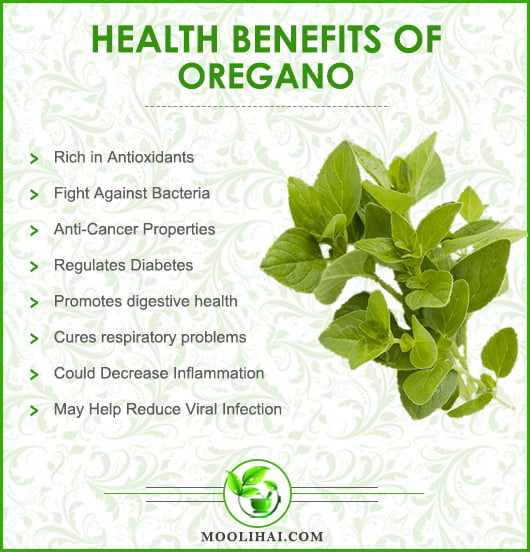
The health benefits of oregano are numerous, making it a popular ingredient in many traditional medicine practices. Some of the key benefits include:
- Antimicrobial and antifungal properties: Oregano has been shown to inhibit the growth of certain microorganisms, including bacteria, fungi, and viruses.
- Anti-inflammatory properties: Oregano’s compounds have anti-inflammatory effects, which can help reduce inflammation and alleviate symptoms associated with conditions such as arthritis.
- Antioxidant properties: Oregano is rich in antioxidants, which can help protect the body from oxidative stress and inflammation.
- Digestive health: Oregano has been shown to improve digestion and alleviate symptoms associated with digestive disorders.
Using Oregano in Cooking
Oregano is a versatile herb that can be used in a variety of dishes, including soups, stews, salads, and marinades. It pairs well with vegetables, meats, and fish, and can add depth and flavor to many recipes.
Some popular ways to use oregano in cooking include:
- Adding fresh or dried oregano leaves to salads, soups, and stews
- Using oregano oil as a marinade for meats and seafood
- Mixing oregano into dips and spreads, such as hummus and tzatziki
- Adding oregano to pasta dishes and pizza sauces
Precautions and Contraindications
While oregano is generally considered safe to use in cooking, there are some precautions and contraindications to be aware of. These include:
- Allergic reactions: Some people may experience allergic reactions to oregano, including skin irritation, itching, and hives.
- Anticoagulant effects: Oregano can have anticoagulant effects, which can increase the risk of bleeding in certain individuals.
- Pregnancy and breastfeeding: While moderate use of oregano is generally safe during pregnancy and breastfeeding, high doses or prolonged use may cause adverse effects.
Frequently Asked Questions
Here are some frequently asked questions about oregano:
- What are the potential side effects of using oregano?
- Common side effects include allergic reactions, digestive issues, and anticoagulant effects.
- Can I use oregano oil as a substitute for other essential oils?
- No, oregano oil should only be used in small amounts and with caution due to its strong flavor and potential side effects.
- How do I store oregano leaves and oil?
- Store fresh oregano leaves in an airtight container in the refrigerator or freezer, while oregano oil can be stored at room temperature.
In addition to its health benefits and uses in cooking, oregano also has a number of cultural and historical significance. In ancient Greece and Rome, oregano was used as a form of currency and was highly valued for its medicinal properties. Today, oregano is still widely used in traditional medicine practices, particularly in the Mediterranean region.
Modern Research on Oregano
In recent years, there has been an increasing amount of research conducted on the potential health benefits of oregano. Studies have investigated the antimicrobial and antifungal effects of oregano, as well as its anti-inflammatory properties. These studies suggest that oregano may have a number of health benefits, including reducing inflammation and improving digestive health.
Safety and Contraindications
While oregano is generally considered safe to use in cooking, there are some precautions and contraindications to be aware of. As with any herbal remedy or essential oil, it’s essential to use high-quality products and follow proper usage guidelines.
Some potential side effects of using oregano include allergic reactions, digestive issues, and anticoagulant effects. It’s also important to note that oregano should not be used in large quantities or for extended periods of time, as this may cause adverse effects.
Precautions for Specific Groups
Certain groups of people may need to take extra precautions when using oregano. These include:
- Pregnant women: While moderate use of oregano is generally safe during pregnancy, high doses or prolonged use may cause adverse effects.
- Breastfeeding mothers: Oregano should be used in moderation during breastfeeding, as excessive consumption may pass into breast milk and cause adverse effects in the baby.
- Children: Children should not consume large quantities of oregano, as this may cause digestive issues or other adverse effects.
In conclusion, oregano is a nutrient-rich herb with numerous health benefits and uses in cooking. While it’s essential to use high-quality products and follow proper usage guidelines, the potential benefits of oregano make it a popular ingredient in many traditional medicine practices. By understanding the properties, benefits, and uses of oregano, individuals can harness its power to improve their health and well-being.


