
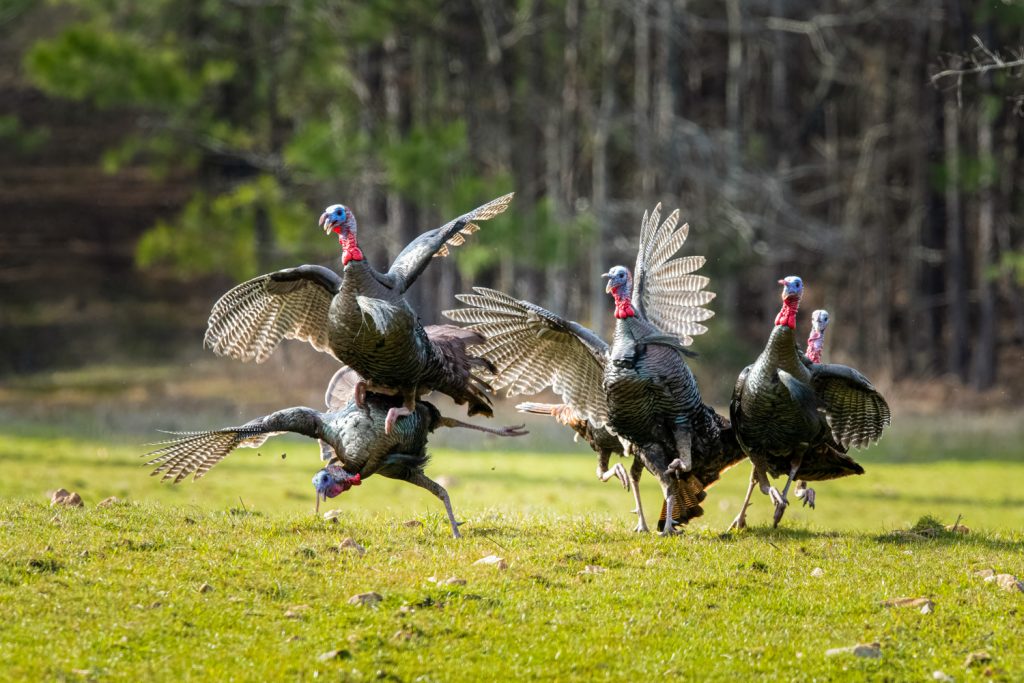
Introduction
Raising turkeys can be a rewarding and enjoyable experience, but it requires careful planning, attention to detail, and a willingness to learn. In this article, we will cover the basics of raising turkeys, including choosing the right breed, providing adequate space and nutrition, and addressing common health issues.
Why Choose Turkeys?
Turkeys are a popular game bird for backyard flocks due to their hardiness, intelligence, and unique characteristics. There are several breeds of turkey to choose from, each with its own strengths and weaknesses. Some of the most popular breeds include:
- Italian Turkey: A medium-sized breed known for its rustic appearance and resistance to disease.
- Ermellinato di Rovigo: A heritage breed originating from Italy, known for its distinctive feathers and high-quality meat.
- Nero d’Italia: A dark-boned breed with a rich history and excellent flavor.
Choosing the Right Breed
When selecting a breed of turkey, consider factors such as climate, space, and desired use. Italian turkeys are well-suited for backyard flocks due to their hardiness and adaptability. Other breeds, such as the Bourbon Red or the Narragansett, may be better suited for specific climates or uses.
Providing Adequate Space
Turkeys require a significant amount of space to roam and exercise. A general rule of thumb is to provide at least 25 square feet per bird. This may seem like a lot, but it’s essential for maintaining the health and well-being of your flock. Consider the size of the birds you plan to keep and the space available in your backyard or farm.
Nutrition and Feeding
Turkeys have specific nutritional needs that should be met through a balanced diet. A good quality commercial turkey feed should be supplemented with fresh fruits and vegetables, as well as grains such as oats, barley, and wheat. Avoid overfeeding, as this can lead to obesity and other health issues.
Health and Hygiene
Regular cleaning and disinfection of the coop and run is crucial for maintaining the health of your flock. Additionally, monitoring for signs of disease and parasites is essential to prevent illness in your turkeys. Consider implementing a vaccination program or using preventative measures such as deworming medication.
Tips for Raising Turkeys
- Provide plenty of fresh water and a clean source of water at all times.
- Offer a variety of foods, including fruits, vegetables, and grains, to ensure a balanced diet.
- Ensure adequate ventilation in the coop to prevent respiratory problems.
- Consider adding a dust bath or mud pit to provide a natural stress-relieving activity for your turkeys.
Common Health Issues
Turkeys are susceptible to various health issues, including:
- Respiratory problems: caused by poor ventilation, disease, or parasites.
- Gastrointestinal issues: such as diarrhea and constipation, often caused by a poor diet or dehydration.
- Parasites: including lice, mites, and worms.
By being aware of these potential health issues and taking proactive steps to prevent them, you can help keep your flock healthy and thriving. Consult with a veterinarian or poultry expert for personalized advice on maintaining the health of your turkeys.
Conclusion
Raising turkeys can be a rewarding experience for backyard flocks. By choosing the right breed, providing adequate space and nutrition, and addressing common health issues, you can help ensure the well-being of your flock. Whether you’re looking to produce meat for your family or simply enjoy the company of these unique birds, raising turkeys is an excellent option.
FAQs
- Q: How much space do I need for my turkeys?
A: At least 25 square feet per bird. - Q: What’s a good diet for turkeys?
A: A balanced commercial turkey feed supplemented with fresh fruits and vegetables, as well as grains such as oats, barley, and wheat. - Q: How often should I clean the coop?
A: Regularly, at least once a week. - Q: What are some common health issues in turkeys?
A: Respiratory problems, gastrointestinal issues, parasites.
By following these guidelines and being aware of potential health issues, you can help keep your flock healthy and thriving.


