
When it comes to healthy fats, many people tend to view them with suspicion. However, the truth is that there are many types of fat that are not only beneficial for our bodies but also essential for maintaining good health.
In this article, we will delve into the world of fats and explore the different categories: healthy fats, unhealthy fats, and those that fall somewhere in between. By understanding the nuances of each type, you can make informed decisions about what to eat and how to incorporate healthy fats into your diet.
What are Fats?
Fats, also known as lipids, are a vital component of our diet. They play a crucial role in maintaining various bodily functions, such as energy production, hormone regulation, and even brain function. When we talk about fat, we’re not just referring to the type of fat; we’re talking about the specific fatty acids that make up the different types.
Types of Fats: A Brief Overview
To better understand the different categories of fats, let’s break down the main types:
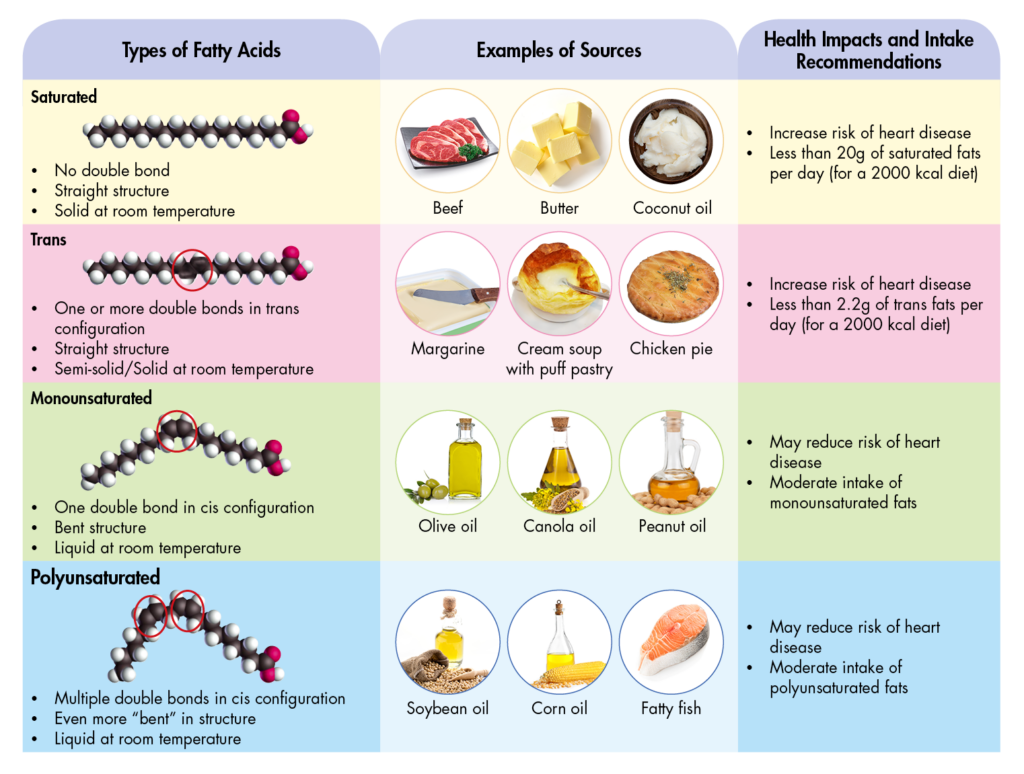
- Saturated Fats: These are solid at room temperature and can be found in animal products like meat, dairy, and eggs.
- Monounsaturated Fats (MUFAs): These are liquid at room temperature and can be found in avocados, olive oil, and nuts.
- Polyunsaturated Fats (PUFAs): These are also liquid at room temperature and can be found in fatty fish, flaxseeds, and walnuts.
Within these categories, there are even more subtypes, such as omega-3 and omega-6 fatty acids. Understanding the differences between these various types of fat is essential for making informed choices about your diet.
Unhealthy Fats to Limit or Avoid
While some fats are beneficial, others can have negative effects on our health. Here are some examples of unhealthy fats to limit or avoid:
- Trans Fats: These are created during a process called hydrogenation and can be found in processed foods like baked goods and fried foods.
- Partially Hydrogenated Oils: These oils contain trans fats and can be found in many commercial products.
When consuming these unhealthy fats, it’s essential to do so in moderation. Excessive consumption can lead to increased risk of chronic diseases, such as heart disease and certain types of cancer.
Healthy Fats: The Good Guys
Now that we’ve discussed the unhealthy fats, let’s move on to the healthy ones! Here are some examples of fat-rich foods that are not only delicious but also beneficial for our health:
- Olive Oil: A staple in many Mediterranean diets, olive oil is rich in monounsaturated fats and has been shown to reduce inflammation and improve heart health.
- Avocados: With their creamy texture and nutty flavor, avocados are a great source of healthy fats. They’re also high in fiber and various essential nutrients.
Healthy fats can be found in many foods, including:
- Nuts and Seeds: Almonds, walnuts, chia seeds, and flaxseeds are all rich in healthy fats.
- Fatty Fish: Fatty fish like salmon, tuna, and mackerel are high in omega-3 fatty acids.
Incorporating Healthy Fats into Your Diet
Now that we’ve discussed the different types of fat and their benefits, it’s time to talk about how to incorporate them into your diet. Here are some tips for adding healthy fats to your meals:
- Start with Small Amounts: Begin by adding small amounts of healthy fats to your meals and gradually increase the amount as you become more comfortable.
- Experiment with New Ingredients: Try new ingredients like avocado, nuts, and seeds to add variety to your diet.
- Make Healthy Fats a Priority: Prioritize healthy fats in your diet by making them a regular part of your meal plan.
By incorporating healthy fats into your diet, you can improve your overall health and well-being. Remember to always consume these fats in moderation and as part of a balanced diet.
The Benefits of Healthy Fats
Incorporating healthy fats into your diet has numerous benefits, including:
- Improved Heart Health: Monounsaturated and polyunsaturated fats have been shown to reduce the risk of heart disease.
- Increased Energy: Healthy fats provide sustained energy and can help you feel full for longer.
- Better Brain Function: Omega-3 fatty acids have been shown to improve brain function and may even help with conditions like depression.
Common Misconceptions About Healthy Fats
There are several common misconceptions about healthy fats that it’s essential to address:
-
Myth: All fats are created equal
Reality: Different types of fat have different effects on our health. Understanding the nuances between saturated, monounsaturated, and polyunsaturated fats is crucial.
* Myth: You should eliminate all saturated fats from your dietReality: While it’s essential to limit saturated fat intake, eliminating them entirely may not be necessary. Focus on balancing your diet with a variety of foods.
* Myth: Healthy fats are only found in fatty fishReality: While fatty fish are an excellent source of omega-3 fatty acids, there are many other food sources that contain these beneficial fats.
By understanding the different types of fat and their benefits, you can make informed decisions about what to eat and how to incorporate healthy fats into your diet.


