
When it comes to heating, cooling, and hot water supply, there are several options available. One of the most efficient and sustainable solutions is a heat pump. In this article, we’ll explore the benefits of using a heat pump, including its efficiency, environmental impact, and cost-effectiveness.
What is a Heat Pump?
A heat pump works by transferring heat from one location to another, rather than generating heat from fuel combustion. This process involves the use of refrigerant, which absorbs heat from a cold source (such as the ground or air) and transfers it to a warmer location (such as a building).
Efficiency: The Key to Cost Savings
When used in conjunction with an existing photovoltaic system, a heat pump can eliminate all heating costs. This is because the heat pump uses excess energy from the solar panels to provide both hot water and space heating.
The efficiency of a heat pump is measured by its coefficient of performance (COP). A higher COP means that more energy is produced for every unit of electricity used. A typical heat pump has a COP between 3-4, which translates to a significant reduction in energy costs compared to traditional fossil fuel-based systems.
Benefits: Rethinking Traditional Heating and Cooling
One of the primary benefits of using a heat pump is its ability to provide both heating and cooling simultaneously. Unlike traditional boilers or air conditioning units, heat pumps can be used for both space heating and cooling without compromising on efficiency.
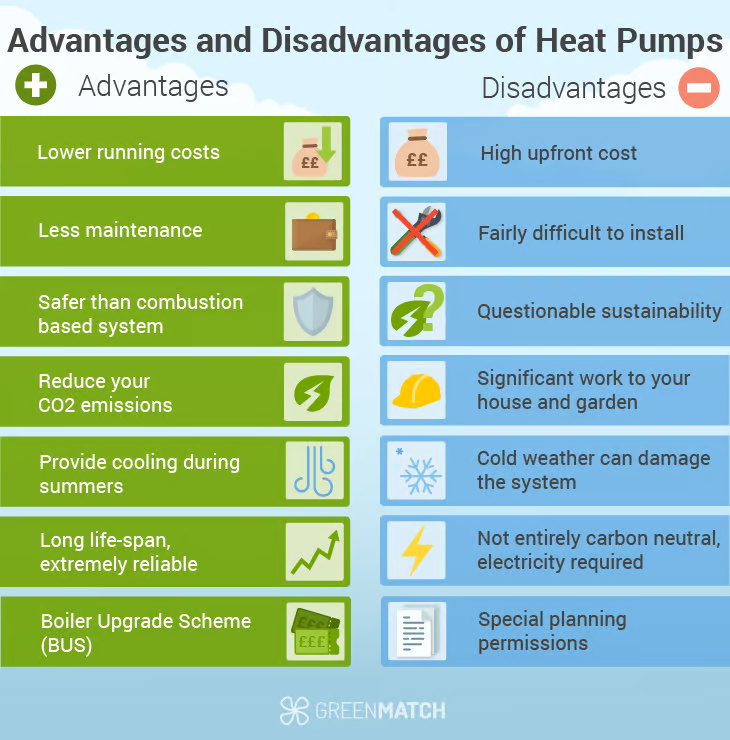
In addition to providing efficient heating and cooling, heat pumps also offer several other advantages:
- Reduced carbon emissions: Heat pumps use renewable energy sources to generate heat, reducing the need for fossil fuels.
- Long-lasting technology: Heat pumps are designed to last for many years with minimal maintenance required.
- Low running costs: With a high COP rating, heat pumps can significantly reduce energy bills.
Environmental Impact
Heat pumps offer several environmental benefits:
- Renewable energy source: Most heat pumps use renewable energy sources like solar or geothermal energy to generate heat.
- Reduced greenhouse gas emissions: By reducing the need for fossil fuels, heat pumps contribute less to climate change.
Safety and Maintenance
Compared to traditional heating systems, heat pumps have several safety advantages:
- No combustion required: Heat pumps do not require combustion, which eliminates the risk of carbon monoxide poisoning.
- Minimal maintenance: With a simple design, heat pumps require little maintenance compared to complex fossil fuel-based systems.
Costs and Return on Investment
While the initial cost of installing a heat pump may seem high, the long-term benefits can be substantial:
- Lower energy bills: Heat pumps can significantly reduce energy costs, especially when used in conjunction with renewable energy sources.
- Government incentives: Many governments offer tax credits or grants for homeowners who install heat pumps.
Q&A
Here are some frequently asked questions about heat pumps:
- What is the average lifespan of a heat pump?
- The average lifespan of a heat pump is around 15-20 years, depending on usage and maintenance.
- Do I need to replace my old boiler with a new one if I install a heat pump?
- No, you do not necessarily need to replace your old boiler. Many modern boilers can be converted to work in conjunction with a heat pump system.
- Can I use a heat pump for both space heating and hot water supply?
- Yes, most heat pumps are capable of providing both space heating and hot water supply.
- Are there any environmental concerns associated with heat pump technology?
- Heat pump technology has several environmental benefits, including reduced greenhouse gas emissions and reliance on renewable energy sources.
Types of Heat Pumps
There are several types of heat pumps available, each with its own unique characteristics:
- Air-source heat pumps: These are the most common type of heat pump and work by transferring heat from the air to a building.
- Ground-source heat pumps: These use the earth’s natural temperature to generate heat, providing higher efficiency and longer lifespan compared to air-source heat pumps.
- Hybrid heat pumps: These combine different types of heat sources, such as solar panels and ground-source heat pumps, to provide efficient heating and cooling.
Choosing a Heat Pump System
When choosing a heat pump system, there are several factors to consider:
- Size and capacity: Choose a heat pump that is the right size for your building to ensure optimal efficiency.
- Efficiency rating: Look for a heat pump with a high COP rating to minimize energy costs.
- Installation requirements: Consider whether you need professional installation or if you can install it yourself.
Installation and Maintenance
Heat pumps require minimal maintenance compared to traditional heating systems:
- Regular cleaning: Clean the outdoor unit regularly to ensure optimal performance.
- Filter replacement: Replace filters as needed to maintain airflow and efficiency.
- Professional inspection: Schedule regular inspections with a professional to ensure the system is operating efficiently.
Conclusion
In conclusion, heat pumps offer a sustainable and efficient solution for heating, cooling, and hot water supply. With their ability to provide both space heating and cooling simultaneously, long-lasting technology, low running costs, and reduced carbon emissions, heat pumps can significantly benefit homeowners who want to reduce their environmental impact while minimizing their energy bills.
By understanding the benefits of heat pumps, homeowners can make an informed decision when it comes to choosing a heating system for their home. Whether you’re looking to replace your old boiler or install a new one, heat pumps are definitely worth considering.


