
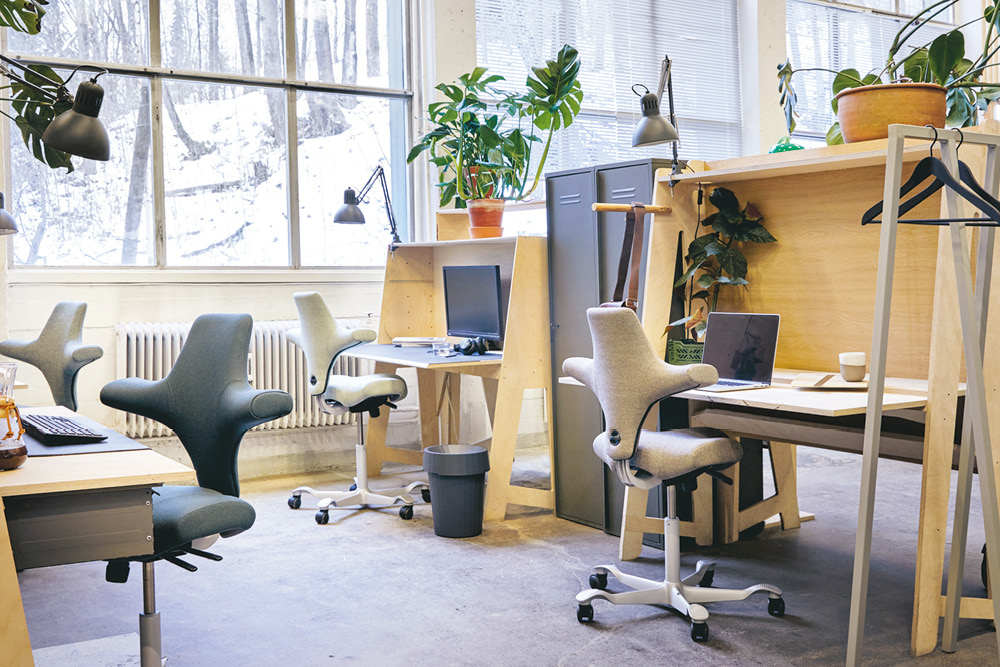
Creating an Eco-Friendly Home Office: A Guide to Sustainable Workspace Design
As Anthony Bourdain once said, “The workspace is an extension of ourselves.” Indeed, our office setup reflects our personality and values. As we strive for a greener lifestyle, it’s essential to make our workspace eco-friendly. In this article, we’ll explore the importance of sustainable design and provide practical tips on how to create an eco-friendly home office.
Understanding Eco-Friendly Design
Before diving into specific design elements, let’s define what eco-friendly means in the context of office design. It encompasses not only the materials used but also the practices employed to minimize waste and reduce environmental impact. By incorporating eco-friendly principles into our workspace, we can contribute to a healthier environment for ourselves and future generations.
Eco-friendly design is not just about aesthetics; it’s about creating a space that supports our well-being and reduces harm to the planet. This approach considers the entire lifecycle of materials, from sourcing to disposal, and seeks to minimize waste and pollution.
The Benefits of Eco-Friendly Design
Incorporating eco-friendly principles into your workspace can have numerous benefits, including:
- Reduced environmental impact: By choosing sustainable materials and minimizing waste, you can significantly reduce your carbon footprint.
- Improved air quality: Eco-friendly design can help purify the air and remove toxins, creating a healthier environment for occupants.
- Increased productivity: A well-designed workspace that promotes comfort and ergonomics can boost focus and productivity.
- Enhanced creativity: Incorporating natural elements, such as plants and natural light, can stimulate creativity and inspire new ideas.
Choosing the Right Environment
When deciding on an eco-friendly home office, it’s crucial to consider the type of space you’ll be occupying. If you’re working from a rented office or a shared space, your options might be limited. However, with some creativity and flexibility, you can still create an eco-friendly environment that promotes productivity and well-being.
Consider the following factors when selecting an office location:
- Proximity to public transportation: Reducing reliance on personal vehicles can lower emissions and promote sustainable commuting.
- Access to natural light: Natural light can boost mood and energy levels, making it an essential aspect of eco-friendly design.
- Ventilation and air quality: Adequate ventilation and air filtration systems are crucial for maintaining a healthy indoor environment.
Color Scheme: The Power of Chromotherapy
One of the most impactful design elements is the color scheme. According to chromoterapy, colors can influence our mood and emotions. By selecting calming shades like blue or green, we can reduce stress and increase focus. Conversely, bold colors like red or orange can stimulate energy and creativity.
When choosing wall paint, look for eco-friendly options that use water-based solutions and are free from toxic chemicals like formaldehyde and benzene.
Furniture: Sustainable Materials Matter
The furniture you choose plays a significant role in your workspace’s overall sustainability. Some materials to consider include:
- Reclaimed or recycled wood
- Bamboo
- Low-VOC paints and stains
- Eco-friendly adhesives
When shopping for new furniture, inspect the labels and look for certifications like Greenguard Gold or FSC (Forest Stewardship Council).
Lighting: Energy-Efficient Options
Proper lighting is essential for a productive workspace. Opt for energy-efficient options like:
- LED bulbs
- Natural light (when possible)
- Plant-based lighting, such as skylights or solar tubes
Avoid harsh overhead lighting, which can cause eye strain and disrupt the circadian rhythm.
Plants: The Air-Purifying Power of Nature
Indoor plants are not only aesthetically pleasing but also beneficial for air quality. Some popular options include:
- Snake plants (Sansevieria Trifasciata)
- Spider plants (Chlorophytum comosum)
- Peace lilies (Spathiphyllum wallisii)
These plants can help purify the air, reduce stress, and boost mood.
Ergonomics: Creating a Comfortable Workspace
A well-designed workspace should prioritize comfort and ergonomics. This includes:
- Adjustable furniture to accommodate different body types
- Proper desk height and positioning
- Adequate lighting and temperature control
By focusing on these elements, you can create a workspace that promotes productivity, well-being, and sustainability.
Conclusion
Creating an eco-friendly home office requires attention to detail and a commitment to sustainable design. By incorporating eco-friendly principles into your workspace, you can contribute to a healthier environment while promoting productivity and well-being. Remember, small changes can add up over time, so start by making one or two adjustments today and see the impact it has on your life.
Frequently Asked Questions
- What are some common toxins found in office furniture?
- Formaldehyde
- Benzene
- VOCs (Volatile Organic Compounds)
- How can I reduce my energy consumption in the office?
- Use energy-efficient lighting and electronics
- Turn off lights, computers, and other devices when not in use
- Adjust thermostat settings to optimize cooling and heating
- What are some eco-friendly alternatives to traditional office furniture?
- Reclaimed or recycled wood
- Bamboo
- Low-VOC paints and stains
- Can indoor plants really improve air quality?
- Yes, many types of plants can purify the air and remove toxins
- How can I create a comfortable workspace that promotes productivity?
- Adjust furniture to accommodate different body types
- Prioritize proper lighting and temperature control
- Incorporate ergonomic features like standing desks and footrests


