
Introduction
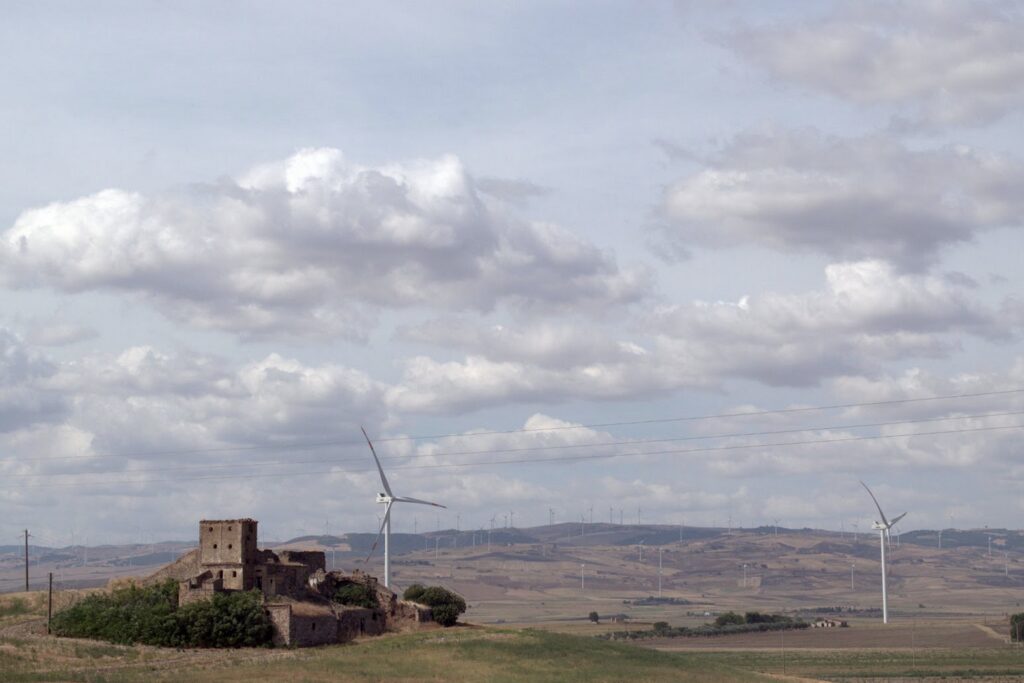
As we strive to reduce our carbon footprint and transition towards a more sustainable energy future, innovative projects like the Matisse Wind Farm in Puglia are gaining importance. This wind farm, located in the southeastern region of Italy, is set to become operational by early 2013, generating clean energy for over 85,000 Italians.
A New Era in Renewable Energy
The Matisse Wind Farm will consist of 13 turbines with a capacity of 3.0 MW each, totaling a power output of 39 MW. This impressive project is the result of collaboration between Farpower S.r.l and Whysol Investments, two companies specializing in renewable energy infrastructure development.
Location and Infrastructure
The wind farm will be situated in the towns of Candela and Ascoli Satriano, both located in the province of Foggia. The site’s proximity to the Manet substation allows for seamless connection to the National Energy Grid. Vestas, a global leader in wind turbine distribution and installation, has been chosen as the project’s main partner.
A Reliable Solution
The Vestas group will provide 15 years of maintenance and service as part of their “Output Management Active” agreement. This commitment ensures that the wind farm will operate at full capacity for the next 15 years, providing a reliable source of clean energy to the region.
Environmental Benefits
The Matisse Wind Farm is an environmentally friendly initiative, reducing greenhouse gas emissions by approximately 40,000 tons annually. The annual electricity production of around 100 GWh equivalent will lower carbon dioxide emissions, promoting sustainable development in Italy.
Economic Impact
In addition to its environmental benefits, the project has a positive impact on the local economy. By creating jobs and stimulating economic growth, the Matisse Wind Farm serves as a valuable example of how renewable energy can contribute to regional development.
A Symbol of Italy’s Commitment to Sustainability
The Matisse Wind Farm is more than just a renewable energy project; it represents Italy’s commitment to sustainability and its desire to reduce its reliance on fossil fuels. This initiative showcases the country’s determination to play a leading role in the global transition towards cleaner energy sources.
A Brighter Future for Puglia
As the Matisse Wind Farm comes online, it will provide a significant boost to Puglia’s economy, creating jobs and stimulating local growth. This project serves as a testament to the potential of renewable energy to transform communities and drive sustainable development.
Key Facts and Figures:
• 13 turbines with a capacity of 3.0 MW each
• Total power output of 39 MW
• Annual electricity production: approximately 100 GWh
• CO2 emissions reduction: equivalent to 40,000 tons annually
• Location: Candela and Ascoli Satriano, province of Foggia
• Project partner: Vestas
Conclusion
The Matisse Wind Farm is an exciting example of Italy’s commitment to renewable energy. As we look to the future, projects like this will play a vital role in shaping our sustainable energy landscape. With its cutting-edge technology and reliable operation, the Matisse Wind Farm is poised to make a lasting impact on Puglia and beyond.
Benefits of Renewable Energy
Renewable energy sources such as wind power offer numerous benefits for individuals and communities. These benefits include:
- Reduced greenhouse gas emissions
- Improved air quality
- Increased energy security
- Lower costs for households and businesses
Challenges and Opportunities
Despite the many advantages of renewable energy, there are still challenges that must be overcome. Some of these challenges include:
- Intermittency: The variable nature of wind power means that it cannot always be relied upon to meet energy demand.
- High upfront costs
- Lack of grid infrastructure
However, these challenges also present opportunities for innovation and growth in the renewable energy sector.
Innovative Solutions
To address the challenges associated with renewable energy, innovative solutions are being developed. Some examples include:
- Energy storage systems: These devices can store excess energy generated by wind turbines or other renewable sources, reducing the impact of intermittency.
- Smart grids: These advanced grid systems use advanced technologies to manage energy distribution and consumption, optimizing the efficiency of renewable energy sources.
Conclusion
The Matisse Wind Farm is a testament to Italy’s commitment to sustainability and its desire to reduce reliance on fossil fuels. As we look to the future, projects like this will play a vital role in shaping our sustainable energy landscape. With its cutting-edge technology and reliable operation, the Matisse Wind Farm is poised to make a lasting impact on Puglia and beyond.
Frequently Asked Questions:
Q1: When will the Matisse Wind Farm become operational?
A1: The wind farm is expected to come online by early 2013.
Q2: How many turbines will be installed in the Matisse Wind Farm?
A2: There will be 13 turbines with a capacity of 3.0 MW each.
Q3: What is the total power output of the Matisse Wind Farm?
A3: The wind farm will have a total power output of 39 MW.
Q4: Who is the main partner behind the Matisse Wind Farm project?
A4: Vestas, a global leader in wind turbine distribution and installation, has partnered with Farpower S.r.l and Whysol Investments to develop this project.
Q5: What is the expected annual CO2 emissions reduction from the Matisse Wind Farm?
A5: The wind farm is expected to reduce CO2 emissions by equivalent of 40,000 tons annually.
Q6: How many Italians will benefit from the electricity generated by the Matisse Wind Farm?
A6: Over 85,000 Italians will receive clean energy through this project.
Q7: Where are the turbines for the Matisse Wind Farm produced?
A7: The Vestas group has two production facilities in Italy, one of which is located at Taranto.
Q8: How long will the maintenance and service agreement with Vestas last?
A8: The partnership includes 15 years of maintenance and service through their “Output Management Active” agreement.


