
Glutamate monosodium, a name that sounds like it belongs to a chemistry textbook, is a substance that should be avoided by anyone who wants to maintain a healthy diet. While it’s not a toxin, its effects on our bodies are still a topic of debate among experts. Is it beneficial or harmful? The answer is complex and requires further investigation.
What is Glutamate Monosodium?
Glutamate monosodium is an artificial additive used in food processing to enhance flavor and texture. It’s also used as a seasoning agent for instant soups, vegetables, and meats. The presence of this substance can be detected on food labels, making it easy to avoid if you’re concerned.
The History of Glutamate Monosodium
Glutamate monosodium has been around since the 1950s, when it was first developed by a Japanese scientist named Kikunae Ikeda. He discovered that glutamic acid, an amino acid found in many foods, had a unique ability to enhance flavor and texture when used in small quantities. Since then, glutamate monosodium has become a ubiquitous ingredient in many processed foods.
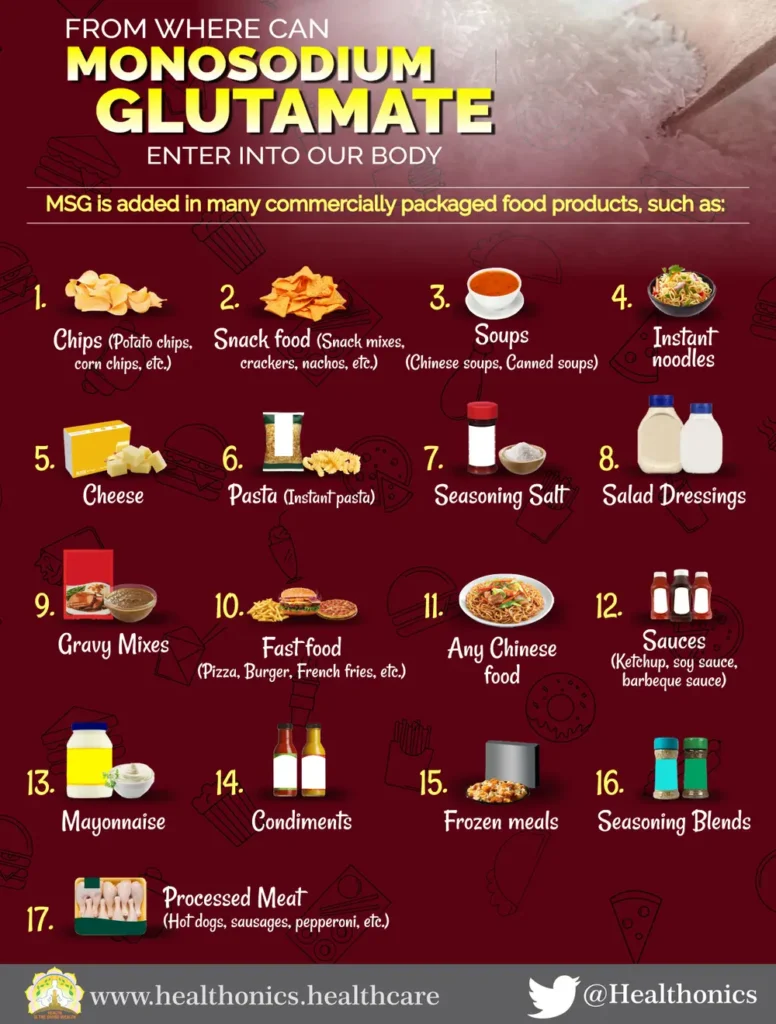
Where is Glutamate Monosodium Found?
Glutamate monosodium can be found in various forms of food products, including:
- Instant soups: Many instant soup brands contain glutamate monosodium to enhance flavor and texture.
- Vegetables: Some vegetables, such as mushrooms and seaweed, naturally contain high levels of glutamic acid, which is then processed into glutamate monosodium.
- Meats: Processed meats like sausages and bacon often contain glutamate monosodium to improve flavor and texture.
- Snack foods: Many snack foods, such as potato chips and crackers, use glutamate monosodium to enhance taste.
The Controversy Surrounding Glutamate Monosodium
Many experts believe that consuming glutamate monosodium is linked to various health issues, including obesity, intolerance, allergies, and degenerative diseases. While some studies suggest that moderate consumption may not be harmful, others argue that it’s a potential carcinogen.
The Science Behind Glutamate Monosodium
Glutamate monosodium works by tricking our taste buds into thinking we’re tasting something delicious. It’s often used to mask the natural flavors of processed foods, making them more palatable. However, this comes at a cost: reduced nutritional value and increased consumption of unhealthy ingredients.
The Relationship Between Glutamate Monosodium and Obesity
Research suggests that excessive glutamate monosodium consumption may contribute to weight gain and obesity. This could be due to its ability to stimulate appetite and increase fat storage.
Glutamate Monosodium and Allergies
Some experts believe that glutamate monosodium can trigger allergic reactions, particularly in individuals with sensitivities to certain amino acids. While this is still a topic of debate, it’s essential to consider the potential risks.
The Connection Between Glutamate Monosodium and Cancer
There is ongoing discussion about the link between glutamate monosodium and cancer. Some research suggests that high levels of consumption may increase the risk of developing certain types of cancer.
A Healthy Alternative?
If you’re concerned about glutamate monosodium, consider cooking from scratch using fresh ingredients. This will not only reduce your exposure to this substance but also allow you to create nutrient-dense meals that nourish your body.
Conclusion
Glutamate monosodium is a complex substance with both benefits and drawbacks. While it may enhance flavor and texture in processed foods, its potential health risks cannot be ignored. By understanding the science behind glutamate monosodium and making informed choices about our diet, we can take control of our health and well-being.
Frequently Asked Questions
-
Is Glutamate Monosodium Safe to Consume?
While some studies suggest that moderate consumption is not harmful, others argue that it’s a potential carcinogen. -
What are the Health Risks Associated with Glutamate Monosodium?
Potential health risks include obesity, intolerance, allergies, and degenerative diseases. -
Can I Avoid Glutamate Monosodium by Cooking from Scratch?
Yes, cooking from scratch using fresh ingredients can significantly reduce your exposure to glutamate monosodium. -
Is Glutamate Monosodium Linked to Allergies?
While there is ongoing debate about the relationship between glutamate monosodium and allergies, it’s essential to consider potential sensitivities. -
Can I Reduce My Risk of Cancer by Avoiding Glutamate Monosodium?
Some research suggests that high levels of consumption may increase the risk of developing certain types of cancer. -
How Much Glutamate Monosodium is Safe to Consume?
There are no clear guidelines, and more research is needed to determine a safe daily intake level. -
Can I Find Alternatives to Glutamate Monosodium in Food Products?
Yes, many companies are now offering products with natural flavor enhancers that don’t contain glutamate monosodium. -
How Can I Reduce My Exposure to Glutamate Monosodium in Daily Life?
By cooking from scratch, choosing fresh ingredients, and being mindful of food labels, you can significantly reduce your exposure to this substance.
Additional Tips for Reducing Glutamate Monosodium Exposure
- Read food labels carefully: Check the ingredient list for glutamate monosodium or its variants (e.g., MSG).
- Choose fresh ingredients: Opt for whole foods and minimally processed products to reduce your exposure to added preservatives and additives.
- Cook from scratch: Prepare meals using fresh ingredients to control the amount of glutamate monosodium in your diet.
- Avoid instant soups: Instead, make homemade soup using fresh ingredients or choose soup mixes with natural flavor enhancers.
- Be mindful of portion sizes: Even if you’re eating healthy foods, excessive consumption can lead to health issues.
Conclusion
Glutamate monosodium is a complex substance that requires further investigation and attention from consumers. While it may have some benefits in certain contexts, its potential health risks cannot be ignored. By understanding the science behind glutamate monosodium and making informed choices about our diet, we can take control of our health and well-being.


