
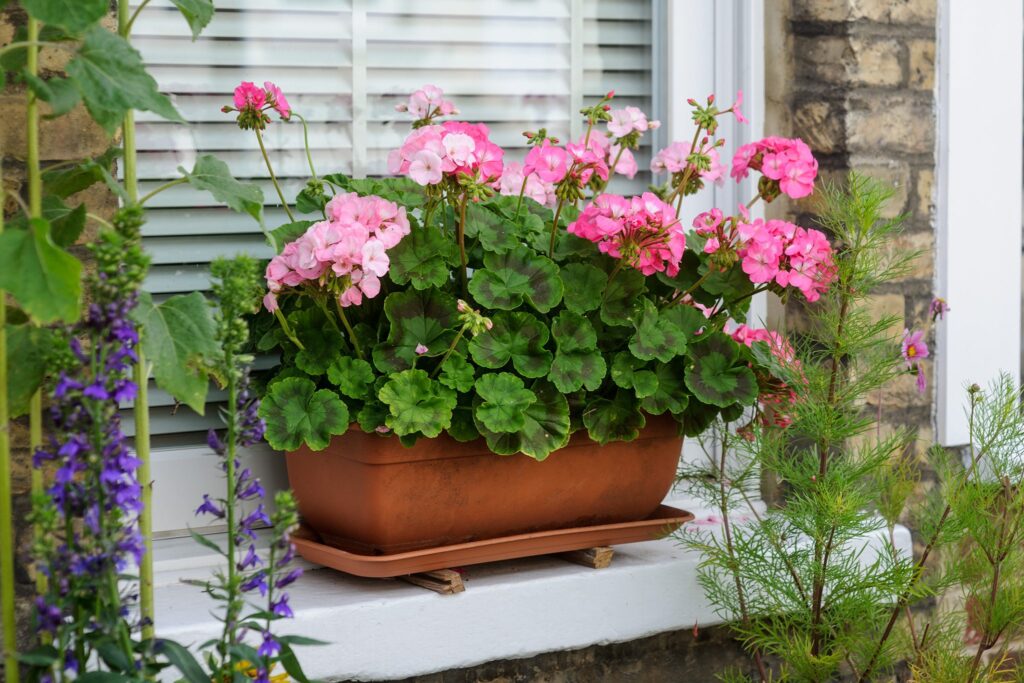
Geraniums are one of the most popular flowers in gardens worldwide, with their vibrant and compact blooms adding a pop of color to any outdoor space. With numerous species and colors available, it’s easy to find the perfect geranium for your balcony, patio, or garden bed. In this article, we’ll explore how to grow geraniums, including tips on selecting the right variety, preparing the soil, providing adequate sunlight and watering, fertilizing, and repotting.
Choosing the Right Geranium Variety
When it comes to growing geraniums in containers, there are several varieties to choose from. The most popular variety for balcony gardens is the “ad edera” type, known for its cascading habit and bright colors. However, if you’re looking for a low-maintenance option with plenty of blooms, consider planting geraniums alongside verbena or campanula.
For a more upright growth habit, opt for zonal geraniums, which feature dark green leaves and a striking black spot on the underside. These plants are perfect for filling out gaps in your garden bed and adding visual interest.
Preparing the Soil
Geraniums prefer well-draining soil that’s rich in organic matter. Mix together:
- 2 parts terricotta or potting soil
- 1 part peat moss or compost
- 1/2 part perlite or sand
Add a small amount of calcium carbonate to raise the pH level and prevent nutrient deficiencies.
To create an ideal growing environment, ensure that your geraniums receive:
- Adequate drainage: Avoid planting in areas with poor drainage, as this can lead to root rot.
- Balanced nutrients: Add organic matter like compost or manure to provide essential nutrients for healthy growth.
- Good aeration: Geraniums prefer well-aerated soil to prevent fungal diseases.
Providing Adequate Sunlight and Water
Geraniums need full sun to partial shade, with temperatures between 14°C and 25°C (57°F to 77°F). Make sure your plants receive at least 4-6 hours of direct sunlight per day. If you’re growing geraniums in a shaded area, consider using grow lights to provide supplemental light.
Watering is also an essential aspect of geranium care. Water your geraniums thoroughly once a week, but avoid overwatering, which can lead to root rot and other problems.
To ensure that your geraniums receive the right amount of water:
- Check the soil moisture: Stick your finger into the soil up to the first knuckle. If the soil feels dry, it’s time to water.
- Avoid getting water on the leaves: Water at the base of the plant to prevent fungal diseases and promote healthy growth.
Fertilizing
Feed your geraniums with a balanced fertilizer during the growing season (spring and summer). Use a liquid fertilizer and apply it according to the manufacturer’s instructions. For optimal results, follow these guidelines:
- Monthly fertilization during cold months
- Bi-weekly fertilization during blooming periods
Don’t forget to increase the potassium content of your fertilizer for an extra boost of nutrients.
To avoid burning your geraniums with high-nitrogen fertilizers, use a balanced fertilizer that contains equal amounts of nitrogen, phosphorus, and potassium (N-P-K).
Repotting
Geraniums typically need to be repotted every year in the spring. Choose a pot that’s at least 2-3 times larger than the original container and include fresh, well-draining soil.
When repotting your geraniums:
- Prune back old stems: Remove any dead or damaged stems to promote healthy growth.
- Use fresh soil: Avoid reusing old soil, as this can lead to nutrient deficiencies.
- Handle with care: Geraniums are delicate plants and require gentle handling when repotting.
Tips and Tricks
- To prevent scorching during hot summer days, cover your geraniums with a sheer cloth or shade cloth.
- Avoid planting geraniums in areas with poor air circulation, as this can lead to fungal diseases.
- Prune your geraniums regularly to encourage bushy growth and more blooms.
- Use mulch: Mulching around the base of your geraniums helps retain moisture and suppress weeds.
Frequently Asked Questions
Q: Can I grow geraniums indoors?
A: Yes, but make sure they receive plenty of indirect sunlight and maintain a consistent temperature between 15°C and 20°C (59°F to 68°F).
Q: How often should I water my geraniums?
A: Water your geraniums thoroughly once a week, but avoid overwatering.
Q: Can I grow geraniums in acidic soil?
A: While geraniums prefer slightly acidic soil (pH 6.0-7.0), they can tolerate more acidic conditions if necessary.
Q: How long do geraniums bloom?
A: Geraniums typically bloom from April to September, with some varieties producing blooms year-round.
Q: Can I grow geraniums in containers?
A: Yes, but make sure the container is at least 10-15 cm (4-6 inches) deep and has good drainage holes.
Q: How often should I fertilize my geraniums?
A: Follow the guidelines above for optimal fertilization.
Q: Can I grow geraniums in shady conditions?
A: While geraniums prefer full sun, they can tolerate partial shade. However, blooming may be less frequent and intense.
Q: Are geraniums deer-resistant?
A: Yes, geraniums are generally not a favorite among deer due to their bitter taste.
Q: Can I grow geraniums from seed?
A: While it’s possible to grow geraniums from seed, this method can be unpredictable and may require multiple attempts for success.
Common Problems and Solutions
- Leaf drop: Overwatering or underwatering can cause leaf drop. Adjust your watering schedule accordingly.
- Fungal diseases: Poor air circulation, overwatering, and high humidity can lead to fungal diseases. Prune affected areas, improve ventilation, and reduce watering frequency.
- Root rot: Root rot occurs when the roots are waterlogged. Check the soil moisture regularly, avoid overwatering, and repot your geraniums in fresh, well-draining soil.
By following these guidelines and tips, you’ll be well on your way to growing vibrant, healthy geraniums that add color and beauty to your garden or balcony.


