
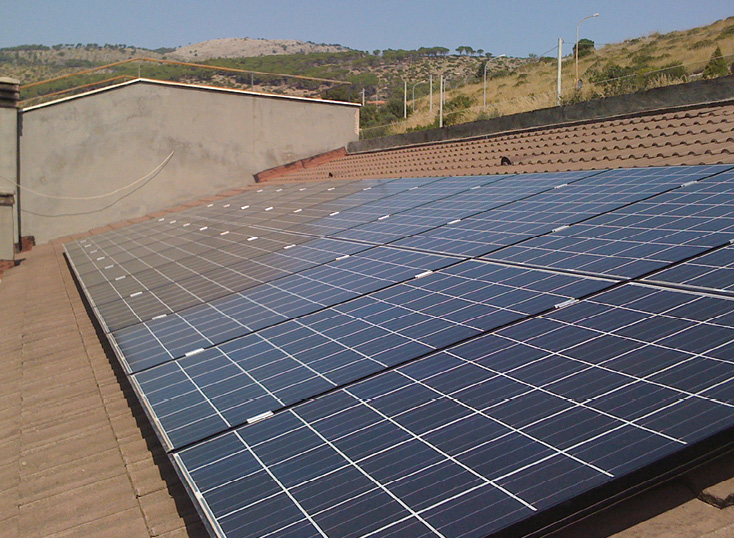
The Italian government has set its sights on renewable energy, aiming to surpass EU standards across all forms of renewable energy, including photovoltaics and wind power. This includes hydropower, geothermal, biogas, and biomass. Italy’s goal is to achieve a 35% share of electricity production from renewable sources by 2020, exceeding the EU target of 26%. In this article, we will explore the overview of Italian renewable energy policy, government plans for renewable energy growth, incentives for extra-fotovoltaic energy sources, potential impact on renewable energy growth, and more.
Overview of Italian Renewable Energy Policy
Italy has a long history of promoting renewable energy, dating back to 2006 when it introduced its first national action plan for the development of renewable energy. Since then, the country has made significant progress in increasing its share of renewable energy in the energy mix. The government’s current goal is to achieve a 35% share of electricity production from renewable sources by 2020, which is higher than the EU target of 26%.
The Italian renewable energy policy framework is based on several key components:
- Renewable Portfolio Standard (RPS): The RPS sets a binding target for renewable energy producers to generate a certain percentage of their electricity from eligible renewable sources.
- Tax incentives: The government offers tax incentives to encourage investment in renewable energy projects, including feed-in tariffs and tax credits.
- Grid connection: The government provides support for grid connection costs associated with connecting new renewable energy projects to the existing grid.
Government Plans for Renewable Energy Growth
The Italian government has outlined its plan to achieve its ambitious target of achieving 35% of electricity production from renewable sources by 2020. This involves a balanced growth in renewable energy sources, including:
- Photovoltaics: The government aims to increase photovoltaic capacity by 20% per year between 2015 and 2020.
- Wind power: The government plans to increase wind power capacity by 15% per year between 2015 and 2020.
- Biomass: The government aims to increase biomass capacity by 10% per year between 2015 and 2020.
The government has also introduced measures to stabilize incentives on electricity bills and ensure a more equitable distribution of funding, including:
- Feed-in tariffs (FITs): FITs provide a fixed price for renewable energy producers to sell their electricity to the grid.
- Tax credits: Tax credits reduce the tax liability of renewable energy producers.
- Grants: Grants support the development of new renewable energy projects.
Incentives for Extra-Fotovoltaic Energy Sources
The government has introduced new incentives for extra-fotovoltaic energy sources, including:
- Biomass: The government offers incentives for biomass-based power generation, including FITs and tax credits.
- Biogas: The government provides support for biogas-based power generation, including FITs and grants.
- Geothermal: The government offers incentives for geothermal energy production, including FITs and tax credits.
These initiatives aim to support the development of cleaner and less exploited energy sources, which can contribute to a more sustainable energy mix.
Potential Impact on Renewable Energy Growth
The introduction of these incentives has the potential to drive significant growth in renewable energy production. The Italian government estimates that agroenergy alone could generate €15.8 billion per year in clean electricity. As of January 1, 2013, new regulations will come into effect for renewable energy sources beyond photovoltaics.
Growth in Incentives and Potential Discrepancies
The government has predicted a significant increase in incentives for renewable energy sources, with expenditures rising from €3.5 billion to €5.5 billion per year by 2020. However, some experts are questioning the accuracy of these estimates, citing past discrepancies in incentive allocation.
Access to Incentives through Auctions
The Italian government plans to access incentives for extra-fotovoltaic energy sources via auctions, adhering to established standards for power output. Energy-producing structures below 50 kW and above 5 MW can participate in the auction process. However, smaller-scale projects will require prior installation before accessing incentives.
Association Criticism of Government Methodology
Industry associations have criticized the government’s approach, citing a lack of transparency and disregard for European norms on renewable energy and climate change. Asso Energie Future president Massimo Sapienza comments:
“The method used is clearly flawed: this is a decree made ‘in solitaria’ without ever sharing the text with renewable energy associations who repeatedly requested it. A system that cannot work.”
Insider Information Allegations
Some reports suggest that Enel may be involved in the decision-making process, potentially influencing the final version of the regulations. This raises concerns about potential conflicts of interest and the fairness of the incentive allocation process.
Regulatory Framework for Extra-Fotovoltaic Energy Sources
The Italian government has established a regulatory framework for extra-fotovoltaic energy sources, including:
- Feed-in laws: Feed-in laws set out the rules for accessing incentives from renewable energy producers.
- Tax laws: Tax laws govern the taxation of renewable energy production and consumption.
- Grid connection regulations: Grid connection regulations set out the requirements for connecting new renewable energy projects to the existing grid.
Challenges Ahead
Despite the progress made in promoting renewable energy, Italy still faces several challenges ahead, including:
- Integration of variable renewable energy sources: The integration of variable renewable energy sources, such as solar and wind power, into the existing grid remains a challenge.
- Energy storage: Energy storage solutions are needed to mitigate the intermittency of renewable energy sources.
- Public acceptance: Public acceptance of renewable energy projects remains a challenge in certain regions.
Conclusion
In conclusion, Italy’s focus on extra-fotovoltaic incentives is part of its broader strategy to promote renewable energy and reduce greenhouse gas emissions. While there are challenges ahead, the government’s plan to achieve 35% of electricity production from renewable sources by 2020 is ambitious but achievable. The introduction of new incentives for extra-fotovoltaic energy sources has the potential to drive significant growth in renewable energy production and contribute to a more sustainable energy mix.


