
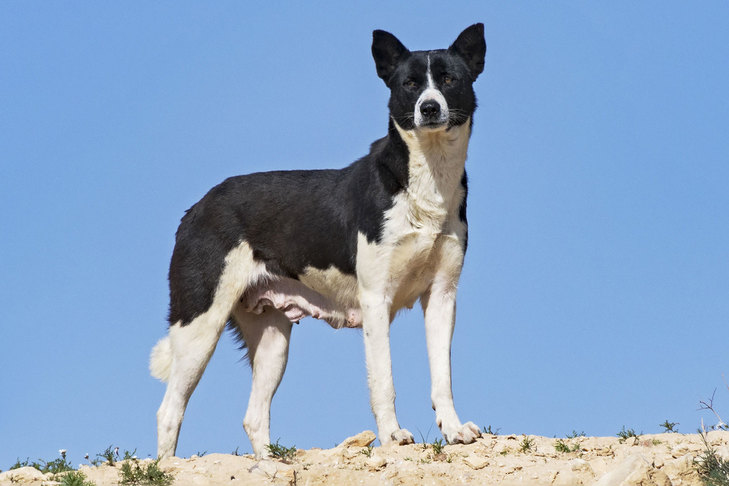
As we explore the world of dogs, it’s natural to wonder about their origins and evolution. The term “primitive dogs” refers to breeds that have maintained a connection with their wild ancestors, embodying characteristics that are both fascinating and unique.
What is a Primitive Dog?
The concept of primitive dogs is often associated with a sense of nostalgia for the early days of human-canine interaction. These dogs have retained elements of their wild nature, making them stand out from more modern breeds. The FCI (Fédération Cynologique Internationale) classifies certain breeds as “primitive dogs” due to their shared ancestry and morphological similarities with ancient animals.
Primitive dogs can be divided into three categories:
- Afro-Asiatic primitive dogs: These breeds are native to the Old World, specifically Africa and Asia. They share a common ancestor that dates back thousands of years.
- Mesoamerican primitive dogs: This category includes breeds from Central America and Mexico, such as the Peruvian Inca Orchid and the Mexican Hairless Dog.
- European primitive dogs: These breeds are found in Northern Europe and were used for hunting, herding, and other tasks. Examples include the Norwegian Elkhound and the Finnish Lapphund.
A Brief History of Primitive Dogs
When we think of prehistory, we imagine the early days of human civilization, marked by cave paintings and representations of man’s best friend. These primitive dogs were likely the first companions of humans, serving as hunting partners, guard animals, and even symbols of status. Their depiction in ancient art can be seen in the “scarabocchi” on cave walls, which reflect their early association with humans.
The earliest evidence of dog domestication dates back to around 15,000 years ago, during the Late Pleistocene era. At that time, dogs were likely kept for tasks such as hunting and guarding, rather than companionship. Over time, these early dogs evolved into various breeds, each with their own unique characteristics.
Characteristics of Primitive Dogs
Among all breeds classified as primitive dogs, the least primitive are those from Northern Europe, such as sled-pulling and hunting breeds. These modern-day companions have adapted to urban living, but still retain a rugged, independent spirit. In contrast, other breeds like the Basenji and Canaan Dog remain more closely tied to their wild ancestors.
The independence of primitive dogs is one of their defining traits, stemming from their original purpose as working animals rather than companion pets. They are also less trainable and have a strong prey drive, which can be both an asset and a challenge for owners.
Primitive dogs often possess certain physical characteristics that set them apart from more modern breeds. These include:
- Coat types: Many primitive dog breeds have short, smooth coats that require minimal grooming.
- Body shape: Primitive dogs tend to have leaner bodies, with narrower chests and longer legs than more modern breeds.
- Head shape: Some breeds, such as the Basenji, have distinctive head shapes that are characteristic of their wild ancestors.
Meet the Primitive Dog Breeds
Here are some examples of primitive dog breeds that embody the characteristics we’ve discussed:
- Basenji: Known as the “Congo Dog,” this breed is renowned for its unique appearance and gentle nature. Native to Central Africa, the Basenji is a loyal companion that thrives on independence.
- Canaan Dog: This medium-sized breed is highly intelligent and energetic, making it an excellent choice for active families. With its distinctive coat pattern, the Canaan Dog is a versatile hunting companion.
- Peruvian Inca Orchid: Also known as the “Hairless Dog,” this rare breed has gained popularity due to its sleek appearance and affectionate nature.
Benefits of Owning a Primitive Dog
Owning a primitive dog can be a rewarding experience, offering numerous benefits for both the owner and the animal. Some of these advantages include:
- Unique companionship: Primitive dogs offer a connection to their wild ancestors, providing an opportunity to experience the early days of human-canine interaction.
- Independence: Many primitive breeds retain their independent nature, making them well-suited for active families or individuals who value their freedom.
- Intelligence: Primitive dogs are often highly intelligent and trainable, but may require more patience and understanding than more modern breeds.
However, owning a primitive dog also comes with its challenges. These can include:
- Training difficulties: Some breeds, such as the Basenji, can be resistant to training due to their independent nature.
- Prey drive: Many primitive breeds have a strong prey drive, which can make them challenging to manage around small animals or in areas where wildlife is common.
- Health issues: Primitive dogs may be more prone to certain health issues, such as hip dysplasia or eye problems, due to their breeding history.
Conclusion
As we explore the world of primitive dogs, it’s clear that each breed offers a unique glimpse into the history of human-canine interaction. Whether you’re drawn to their rugged independence or their gentle, affectionate nature, there’s a primitive dog out there waiting for you.
Before deciding to bring a primitive dog into your life, consider the following:
- Research: Learn as much as possible about the breed you’re interested in, including its history, characteristics, and potential health issues.
- Training: Understand that training may be more challenging with a primitive breed due to their independent nature.
- Exercise: Provide regular exercise and mental stimulation for your dog, taking into account their prey drive and energy level.
By embracing the unique qualities of primitive dogs, you can build a rewarding relationship with this special type of canine companion.


