
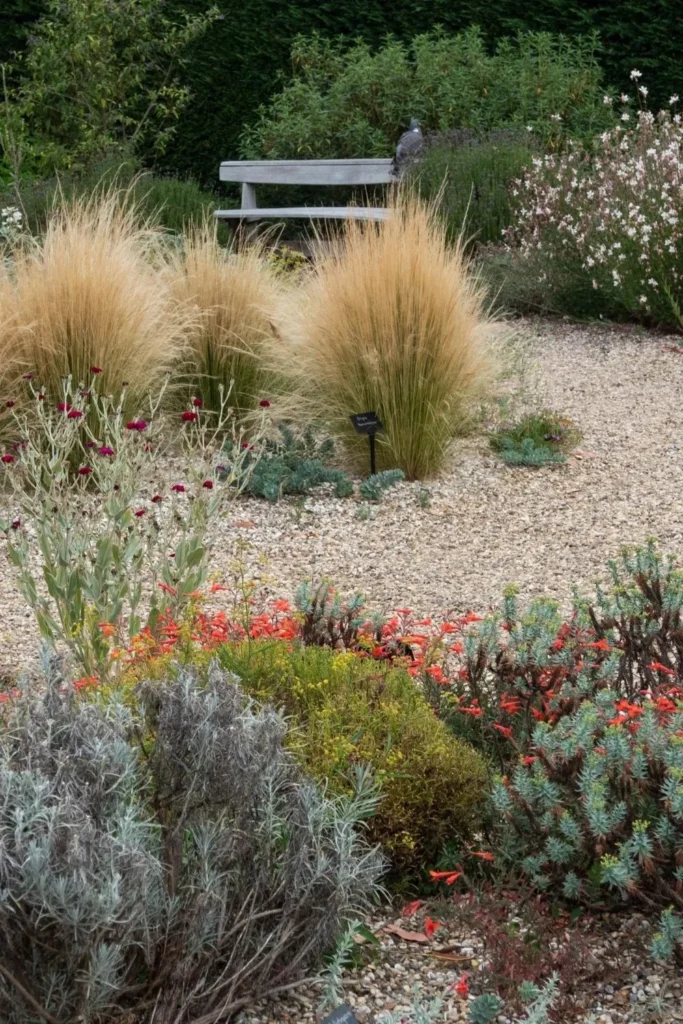
As we navigate the changing climate, many of us are looking for ways to create beautiful and sustainable gardens that can thrive without relying on frequent watering. In regions with hot, dry climates, creating a dry garden can be a great option. However, it requires careful planning and consideration of specific plant species and design elements.
Understanding the Principles of a Dry Garden
Before diving into the design process, it’s essential to understand the key principles of a dry garden. These gardens are designed to minimize watering needs while still providing a beautiful and thriving landscape. By choosing plants that are native to dry regions or have adapted to survive with minimal water, you can create a stunning desert garden.
A dry garden is designed to be self-sustaining, using natural processes like evapotranspiration to regulate moisture levels. This approach not only reduces watering needs but also promotes soil health and biodiversity. By incorporating native plants, mulching, and efficient irrigation systems, you can create a thriving ecosystem that requires minimal maintenance.
Selecting the Right Plants
Choosing the right plant species is crucial for creating a successful dry garden. Look for plants that are native to arid regions or have adaptations that enable them to survive with minimal watering. Some popular options include:
- Ginkgo: A deciduous tree with a deep root system that can tolerate drought conditions.
- Yucca: A succulent plant with tough, fleshy leaves that store water for long periods of time.
- Succulents (e.g., Aloe, Echeveria): Plants with thick, waxy leaves that can store water and survive with minimal watering.
- Drought-tolerant shrubs (e.g., Rosemary, Lavender): Shrubs that are adapted to dry conditions and require less watering than other plants.
When selecting plants, consider their specific needs and requirements. Some plants may require more frequent watering during certain times of the year, while others may be more drought-tolerant. Research each plant’s water requirements, growth habits, and sun tolerance to ensure they will thrive in your dry garden.
Designing a Dry Garden
Once you’ve selected your plant species, it’s time to start designing your dry garden. Here are some key elements to consider:
- Drainage: Proper drainage is essential for a dry garden. Make sure to include a well-draining layer of mulch or gravel to prevent waterlogged soil.
- Irrigation: While you’ll want to minimize watering, it’s still necessary to provide your plants with adequate moisture during hot summer months. Consider using drip irrigation or soaker hoses to deliver water directly to the roots.
- Mulch: Mulching helps retain moisture in the soil and suppresses weeds. Choose a organic mulch like wood chips or bark to create a nutrient-rich environment for your plants.
- Pest control: Dry gardens can be susceptible to pests like aphids and whiteflies. Use natural pest control methods like neem oil or insecticidal soap to keep these pests at bay.
Tips for Creating a Thriving Dry Garden
Here are some additional tips to help you create a thriving dry garden:
- Plant in the fall: Planting in the fall allows your plants to establish themselves before the hot summer months.
- Avoid overwatering: Resist the temptation to water your plants too frequently. Overwatering can lead to root rot and other problems.
- Monitor soil pH: Keep an eye on your soil’s pH levels, as some plants prefer acidic or alkaline conditions.
- Provide shade: If you live in a region with intense sunlight, consider providing shade for your plants during the hottest parts of the day.
Climate Considerations
When designing a dry garden, it’s essential to consider your local climate and weather patterns. Different regions have unique characteristics that can impact plant growth and water requirements. For example:
- Hot deserts: Plants in hot deserts may require more frequent watering during the hottest months.
- Cooler climates: Plants in cooler climates may require less watering, but still need adequate moisture to thrive.
Water Conservation Techniques
Water conservation is a critical aspect of dry garden design. Here are some techniques to help you conserve water:
- Rainwater harvesting: Collect and store rainwater for irrigation purposes.
- Graywater systems: Use graywater from sinks and showers to irrigate plants that require moisture.
- Efficient irrigation systems: Install drip irrigation or soaker hoses to deliver water directly to the roots of your plants.
Maintenance and Upkeep
Regular maintenance is essential for a thriving dry garden. Here are some tasks to perform:
- Pruning: Prune plants regularly to promote healthy growth and prevent overgrowth.
- Fertilizing: Fertilize plants during the growing season to promote healthy growth.
- Pest control: Monitor your plants for pests and use natural pest control methods as needed.
Conclusion
Creating a dry garden requires careful planning, consideration of specific plant species and design elements, and regular maintenance. By choosing drought-tolerant plants, designing a well-draining landscape, and using natural pest control methods, you can create a thriving desert garden that requires minimal watering. Remember to monitor your soil’s pH levels, provide shade when necessary, and avoid overwatering to ensure the success of your dry garden.
Frequently Asked Questions
Here are some frequently asked questions about designing a dry garden:
Q: What is the best time to plant in a dry garden?
A: Fall is an excellent time to plant in a dry garden, as it allows your plants to establish themselves before the hot summer months.
Q: How often should I water my dry garden?
A: Watering frequency will depend on the specific plant species and weather conditions. Aim to water your plants when the soil feels dry to the touch, usually once or twice a week during hot summer months.
Q: Can I use drought-tolerant plants in shade?
A: Yes, many drought-tolerant plants can thrive in shade. However, some may require more frequent watering due to reduced sunlight.
Q: How do I control pests in my dry garden?
A: Use natural pest control methods like neem oil or insecticidal soap to keep pests at bay. Avoid using chemical pesticides whenever possible.
Q: Can I use irrigation systems in a dry garden?
A: Yes, drip irrigation and soaker hoses can be effective ways to deliver water directly to the roots of your plants. However, avoid overwatering by monitoring soil moisture levels.
Q: What are some common mistakes to avoid when designing a dry garden?
A: Some common mistakes include:
- Overwatering
- Planting too many species that require similar watering conditions
- Failing to provide adequate shade for sensitive plants
- Not monitoring soil pH levels
Q: How can I maintain my dry garden over time?
A: Regular maintenance tasks like pruning, fertilizing, and monitoring pests will help keep your dry garden thriving. Consider consulting with a local nursery or gardening expert for personalized advice.
Gardening Resources
For more information on designing a dry garden, consult the following resources:
- National Gardening Association: A comprehensive resource for gardening tips, plant recommendations, and maintenance advice.
- Desert Botanical Garden: A non-profit organization dedicated to preserving desert plants and promoting sustainable gardening practices.
- Local nurseries and gardening experts: Consult with local experts who have experience designing dry gardens in your region.
Conclusion
By following these guidelines and considering the principles of a dry garden, you can create a thriving desert landscape that requires minimal watering. Remember to monitor soil pH levels, provide shade when necessary, and avoid overwatering to ensure the success of your dry garden. Happy gardening!


