
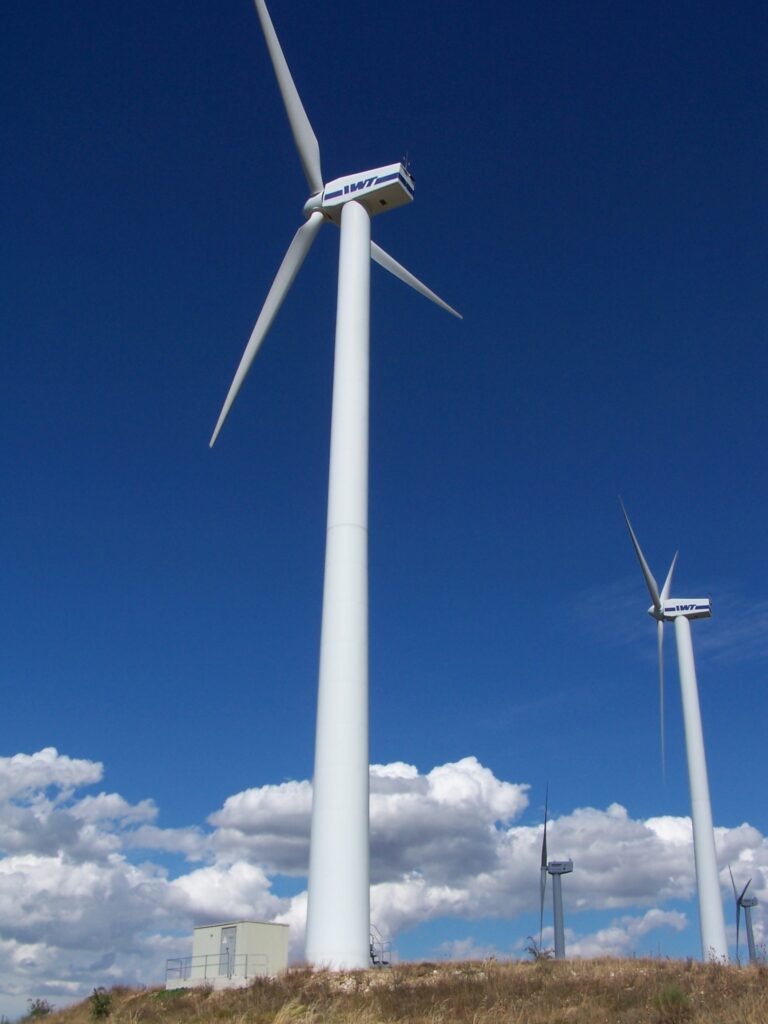
The Future of Wind Power in Italy: Challenges and Opportunities
Italy is far from the European average when it comes to wind power, with the country’s parks producing only 7% of the national electricity consumption. This is a surprising statistic, especially when compared to Denmark, where wind power accounts for 27% of total energy production, and Germany, which generates nearly 30% of its electricity from renewable sources.
The Challenges Facing Wind Power in Italy
According to Massimo Derchi, CEO of Erg Renew, one of the leading wind power companies in Italy, the country is not an attractive market for wind power. “Italy should be producing 12 GW of wind energy by 2020, but we’re currently only at 8,” he said during a recent conference in Brussels. “There’s still room for more installations, but the climate isn’t favorable for investments on our market, especially when it comes to national and European regulatory frameworks.”
Derchi also pointed out that the maximum number of wind turbines allowed to access incentives is lower than 500 MW per year, compared to previous years, when up to one GW was built annually. Additionally, companies with insurance guarantees are being allowed to participate in tenders, which can lead to uncertainty in awarding contracts and doubling down on requests.
Why Erg Renew Is Looking Abroad
Erg Renew has decided to focus on international markets such as France and Germany, where the wind power industry is more established and thriving. The company’s move highlights the challenges facing Italy’s wind power sector, which is struggling to attract investment due to regulatory hurdles and a lack of clarity around future policy frameworks.
The Wind Power Situation in Italy: Offshore
When it comes to offshore wind power in Italy, the situation is even more dire. Despite having vast coastlines with suitable conditions for wind farms, Italy has yet to develop its offshore industry. The European Wind Energy Association (EWEA) blames excessive bureaucracy and inadequate regulations for stifling development.
Zero Offshore Wind Farms in Italy
Today, there are no operational offshore wind farms in Italy, despite numerous projects being proposed. One notable example is the Mediterranean Wind Offshore project, which aims to build a 136 MW farm off the coast of Gela, Sicily. Another promising site for offshore wind power is the Tyrrhenian Sea, although the Adriatic Sea also offers suitable conditions.
Offshore Wind Power in Europe: A Different Story
In contrast, other European countries are thriving with offshore wind power. The UK’s London Array, the largest offshore wind farm in the world, was inaugurated in July 2014 and features 175 turbines generating 640 MW of electricity. This project alone is capable of meeting the annual energy needs of half a million families while reducing CO2 emissions by 925,000 tons annually.
A Bright Future for Wind Power in Italy?
So what does the future hold for wind power in Italy? With its rich coastline and favorable winds, Italy has the potential to become a significant player in the global wind industry. However, addressing the regulatory challenges and investing in infrastructure are crucial steps towards unlocking this potential.
Here are some key questions that need to be answered:
- What reforms can be made to the Italian regulatory framework to attract investment in offshore wind power?
- How can Italy balance the needs of environmental protection with economic growth and job creation?
- What role will international cooperation play in helping Italy overcome its wind power challenges?
FAQs
- Q: Why is Italy struggling to develop its wind power industry compared to other European countries?
A: Regulatory hurdles, lack of clarity around future policy frameworks, and excessive bureaucracy are major contributors to the challenges facing Italy’s wind power sector. - Q: What opportunities exist for offshore wind power in Italy?
A: Despite having vast coastlines with suitable conditions, there are currently no operational offshore wind farms in Italy. However, projects like the Mediterranean Wind Offshore project aim to change this. - Q: How can Erg Renew and other companies invest in Italy’s wind power industry without being held back by regulatory challenges?
A: Companies need to work closely with policymakers and regulators to create a more favorable business environment that attracts investment and encourages development of new projects. - Q: What is the potential for offshore wind power to reduce CO2 emissions in Italy?
A: Offshore wind power has the potential to significantly reduce Italy’s carbon footprint. According to the London Array project, this can be achieved through a reduction of 925,000 tons of CO2 emissions annually. - Q: How can Italy balance environmental protection with economic growth and job creation through offshore wind power?
A: By adopting a balanced approach that takes into account both environmental concerns and economic needs. This can include implementing policies that support the development of new projects while also ensuring that the industry is sustainable and responsible. - Q: What role will international cooperation play in helping Italy overcome its wind power challenges?
A: International cooperation can provide valuable expertise, resources, and support for Italy’s wind power sector. Collaboration with other countries and organizations can help identify best practices and address common challenges. - Q: Can offshore wind power be a game-changer for Italy’s energy industry?
A: Absolutely. With the potential to generate significant amounts of electricity while reducing CO2 emissions, offshore wind power could play a crucial role in helping Italy transition towards a more sustainable and environmentally friendly energy mix. - Q: How can Italian policymakers support the development of offshore wind power?
A: Policymakers can create a supportive regulatory environment by implementing policies that encourage investment, promote transparency, and ensure accountability. This includes setting clear targets for renewable energy production and providing incentives for companies to develop new projects.
By addressing these challenges and opportunities, Italy can unlock its potential as a major player in the global wind industry and contribute to a more sustainable energy future for all.
Conclusion
The future of wind power in Italy is uncertain, but there are steps that can be taken to address the challenges facing the sector. By working together with policymakers, regulators, and international partners, Italy can create a favorable business environment that attracts investment and encourages development of new projects. With its rich coastline and favorable winds, Italy has the potential to become a significant player in the global wind industry.
As the world continues to transition towards a more sustainable energy mix, it is essential that countries like Italy take proactive steps to address their challenges and opportunities. By doing so, they can unlock their potential and contribute to a cleaner, greener future for all.
Recommendations
- Conduct a thorough review of Italy’s regulatory framework to identify areas where reforms are needed.
- Develop clear targets for renewable energy production and provide incentives for companies to develop new projects.
- Implement policies that encourage investment, promote transparency, and ensure accountability.
- Encourage international cooperation by sharing best practices and addressing common challenges with other countries and organizations.
- Provide training and support for Italian policymakers, regulators, and industry stakeholders to help them navigate the complexities of offshore wind power development.
By implementing these recommendations, Italy can take significant steps towards unlocking its potential as a major player in the global wind industry.


