
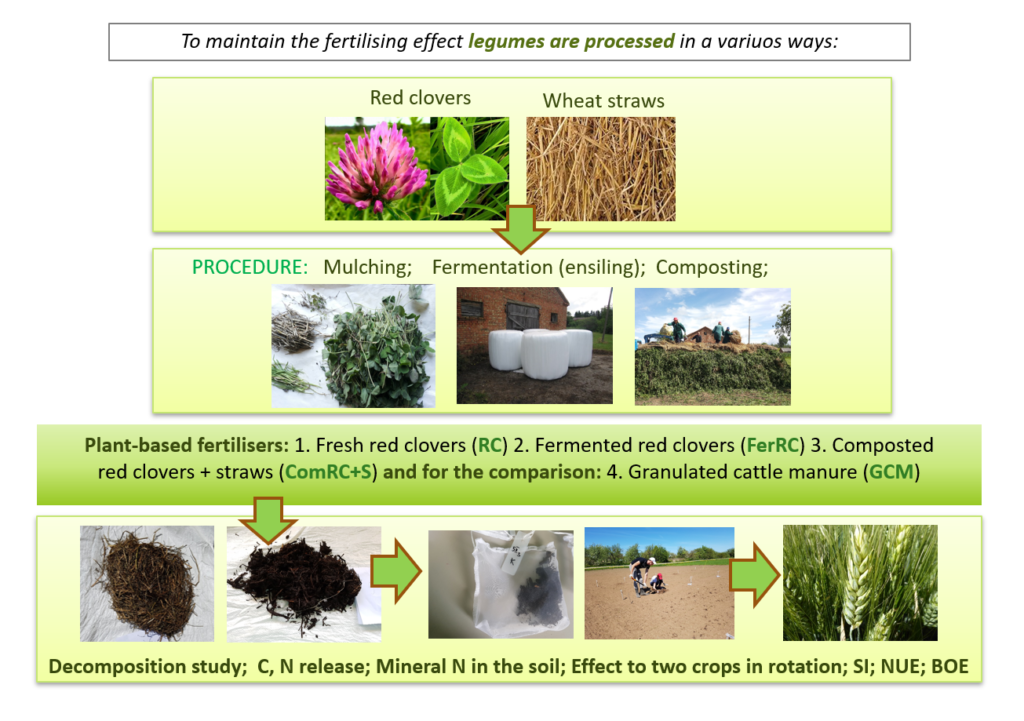
As a gardener, farmer, or simply someone who cares about the health of your soil, you may have heard of cover cropping. This simple yet powerful technique has been used for centuries to enrich and improve the structure of our beloved earth. In this article, we’ll delve into the world of legume sowing, exploring its benefits, best practices, and alternatives.
What is Legume Sowing?
Legume sowing, also known as cover cropping with legumes, involves planting specific crops that have the ability to fix nitrogen in the soil. These plants, such as clover, alfalfa, and beans, release nitrogen as a byproduct of their decomposition, enriching the soil for other crops to grow.
Why Legume Sowing Matters
Legume sowing is a game-changer for your soil health. By incorporating these nitrogen-fixing legumes into your rotation, you can:
- Improve soil fertility and structure
- Increase crop yields and quality
- Reduce the need for synthetic fertilizers
- Support biodiversity and ecosystem balance
The Top Legumes for Cover Cropping
So, which legumes are best suited for cover cropping? Here are some of the most popular options:
- Clover: White clover (Trifolium repens) and red clover (Trifolium pratense) are excellent choices for cover cropping. They’re easy to grow, fix nitrogen efficiently, and provide a valuable source of protein for pollinators.
- Alfalfa (Medicago sativa): Alfalfa is a legume powerhouse that can fix up to 200 pounds of nitrogen per acre. It’s an excellent choice for areas with poor soil fertility.
- Beans: Bush beans (Phaseolus vulgaris) and snap beans (Phaseolus coccineus) are popular cover crops that provide a quick source of nitrogen.
How to Sow Legumes
Sowing legumes is a straightforward process. Here’s what you need to know:
- Choose the right variety: Select a legume species that suits your climate, soil type, and intended use.
- Plant at the right time: Typically, legumes are planted in the fall or early spring, when temperatures are cooler.
- Sow deeply enough: Legumes should be sown 1-2 inches deep to ensure adequate root growth.
- Space correctly: Plant legumes according to their mature size and spacing requirements.
The Benefits of Cover Cropping
Cover cropping with legumes offers numerous benefits for your soil, crops, and ecosystem:
- Soil enrichment: Legumes release nitrogen, phosphorus, and other essential nutrients that benefit subsequent crops.
- Weed suppression: Living cover crops can outcompete weeds, reducing the need for herbicides.
- Erosion control: Cover crops help hold soil in place, preventing erosion and runoff.
The Science Behind Legume Sowing
So, how do legumes actually fix nitrogen in the soil? The process is quite fascinating:
- Legumes have specialized root nodules that contain bacteria such as Rhizobia.
- These bacteria convert atmospheric nitrogen (N2) into a form of nitrogen that the plant can use.
- As the legume decomposes, it releases this fixed nitrogen into the soil.
Alternatives to Legume Sowing
While legume sowing is an excellent choice for many farmers and gardeners, there are alternative options worth considering:
- Crop rotation: Rotate your crops to maintain soil fertility and reduce pests and diseases.
- Green manure: Plant a mixture of green manures, such as oats or rye, to improve soil structure and fertility.
- Companion planting: Pair legumes with other crops to create a diverse and resilient ecosystem.
Best Practices for Cover Cropping
To get the most out of your cover cropping program, follow these best practices:
- Choose the right crop: Select a legume species that suits your climate, soil type, and intended use.
- Plant at the right time: Typically, legumes are planted in the fall or early spring, when temperatures are cooler.
- Space correctly: Plant legumes according to their mature size and spacing requirements.
- Monitor and adjust: Keep an eye on your results and adjust your cover cropping program as needed.
Common Mistakes to Avoid
Don’t make these common mistakes when it comes to cover cropping:
- Not choosing the right crop: Select a legume species that suits your climate, soil type, and intended use.
- Planting too deeply: Legumes should be sown 1-2 inches deep to ensure adequate root growth.
- Not spacing correctly: Plant legumes according to their mature size and spacing requirements.
Conclusion
Legume sowing is a simple yet powerful technique for improving your soil health. By incorporating these nitrogen-fixing legumes into your rotation, you can enrich your soil, reduce the need for synthetic fertilizers, and support biodiversity. With this comprehensive guide, you’re ready to start sowing legumes and reaping the rewards of cover cropping.
Frequently Asked Questions
Q: What are the benefits of using legume sowing in agriculture?
A: Legume sowing improves soil fertility, structure, and biodiversity, while reducing synthetic fertilizer use and supporting ecosystem balance.
Q: Which legumes are best suited for cover cropping?
A: White clover, red clover, alfalfa, and beans are popular choices for cover cropping due to their nitrogen-fixing abilities and ease of growth.
Q: How often should I sow legumes?
A: Legumes can be sown annually or in a rotation with other crops. It’s essential to choose the right variety and plant at the right time for optimal results.
Q: Can I use legume sowing as a substitute for crop rotation?
A: While legume sowing is beneficial, it should not replace crop rotation entirely. Rotate your crops to maintain soil fertility and reduce pests and diseases.
Additional Resources
For more information on cover cropping and legume sowing, check out these additional resources:
- USDA Natural Resources Conservation Service: The USDA NRCS provides guidance on cover cropping and conservation practices.
- National Association of State Departments of Agriculture: NASDA offers resources on cover cropping and soil health.
- The Organic Crop Improvement Association: OCIA provides information on organic farming practices, including cover cropping.
By incorporating legume sowing into your rotation, you can take a significant step towards improving your soil health and reducing the need for synthetic fertilizers. With this comprehensive guide, you’re ready to start reaping the rewards of cover cropping!


