
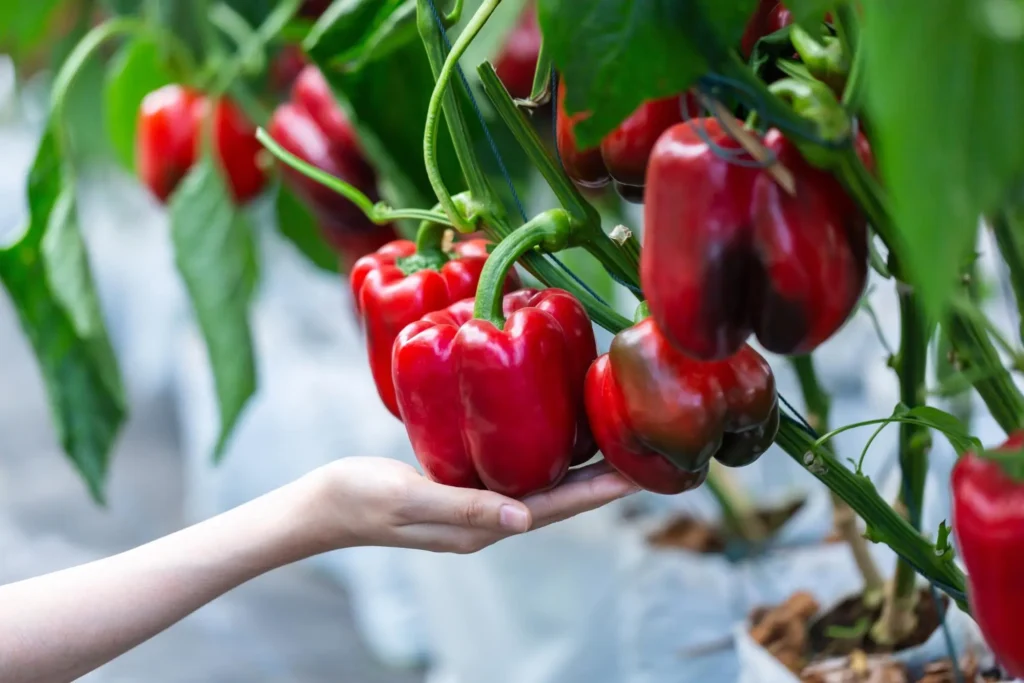
Growing peppers is a straightforward process that doesn’t require extensive horticultural knowledge. These versatile vegetables can thrive even in small spaces, making them perfect for container gardening or indoor cultivation. So why not give it a try?
Peppers are an excellent addition to various dishes, serving as a delicious condiment, side dish, and even main course. When considering pepper cultivation, timing is crucial. If you live in the southern United States, you can begin sowing seeds in January. In northern regions, wait until March.
To cultivate peppers successfully, start by selecting a suitable container or growing area. You can use small pots for individual plants or create a large box for multiple pepper seedlings. When choosing containers, opt for durable materials that won’t break down quickly.
Pepper varieties come in different shapes and sizes. Choose the ones that produce the best yield and consider their specific needs when deciding on your crop.
Here are some essential steps to follow:
Sowing Seeds
When sowing seeds, timing is crucial. In the southern United States, you can start planting peppers as early as January. For those living in northern regions, wait until March. Use a well-draining potting mix and provide adequate light for germination.
If you’re starting with small pots or containers, sow three to four seeds per pot and select only one plant to continue growing.
Preparing the Soil
To ensure optimal growth, prepare your soil by adding organic matter such as compost or manure. This will enrich the soil’s nutrient content and improve drainage.
For container gardens, choose a well-draining potting mix that can retain moisture without becoming waterlogged.
Planting in the Garden
Once your seedlings have reached about 15-20 cm tall, it’s time to transplant them into larger containers or directly into the garden. Make sure they receive full sun and maintain a consistent watering schedule.
To avoid soil-borne diseases, use disease-resistant pepper varieties when selecting seeds.
Pruning and Training
Prune your pepper plants regularly to encourage bushy growth and prevent over-shading of the fruits. Remove lower leaves to ensure good air circulation and protect the plant from pests.
For container gardens, provide support for the plants using stakes or a trellis to promote vertical growth.
Watering and Fertilization
Keep your pepper plants consistently moist but avoid overwatering. Regular fertilization will promote healthy growth and fruit production. Use balanced fertilizers such as Miracle-Gro or Espoma Organic Bloom! 3-2-2 Plant Food for optimal results.
How to Grow Peppers in a Container
Growing peppers in containers can be just as rewarding as indoor growing. Here are some essential tips:
Choosing the Right Containers
Select containers that provide good drainage and have sufficient capacity for your seedlings. Plastic or wooden containers work well, but make sure they’re at least 6-8 inches deep to accommodate root growth.
Adequate light is essential for pepper cultivation, so choose a location with direct sunlight or use grow lights if necessary.
Fertilizing Your Container-Grown Peppers
Use a balanced fertilizer specifically formulated for container-grown plants. Follow the manufacturer’s instructions to avoid overfertilization.
When using fertilizers in containers, ensure that they’re not washed away by frequent watering.
Tips and Tricks
Here are some additional tips to help you grow delicious peppers:
- Use biodegradable materials when growing in a container garden.
- Regularly inspect your plants for pests and diseases, taking prompt action if necessary.
- Harvest your peppers at the right time to ensure optimal flavor and texture.
Growing peppers is an accessible and rewarding process. With these tips, you’ll be on your way to enjoying delicious homegrown pepper harvests in no time.
Frequently Asked Questions
-
What’s the best variety of pepper for container growing?
Some popular options include bell peppers, jalapeños, and Anaheim peppers.
2. How often should I water my pepper plants?Peppers need consistent moisture, especially when they’re producing fruit. Water your plants regularly but avoid overwatering to prevent root rot.
3. Can I grow multiple types of pepper together?Yes! You can mix different varieties of peppers in the same container or garden bed. However, ensure that they have similar growing requirements and space needs.
4. How do I know when my peppers are ripe?Check for color, size, and texture. Ripe peppers will be firm, glossy, and their skin should be slightly tender to the touch.
5. Can I grow peppers indoors without sunlight?While most pepper varieties require direct sunlight to thrive, you can still grow them indoors using LED grow lights or other supplemental lighting sources.
Feel free to ask if there are any other questions!
Additional Resources
For further guidance on growing peppers, consult the following resources:
- Pepper Seed Catalogs: Browse through seed catalogs from reputable suppliers to find the best pepper varieties for your needs.
- Pepper Growing Guides: Look up online guides and tutorials that provide specific advice for growing peppers in different regions and conditions.
- Local Gardening Communities: Join local gardening communities or forums to connect with other growers, ask questions, and share experiences.
By following these guidelines and utilizing the additional resources available, you’ll be well on your way to growing delicious and healthy peppers in no time. Happy growing!


