
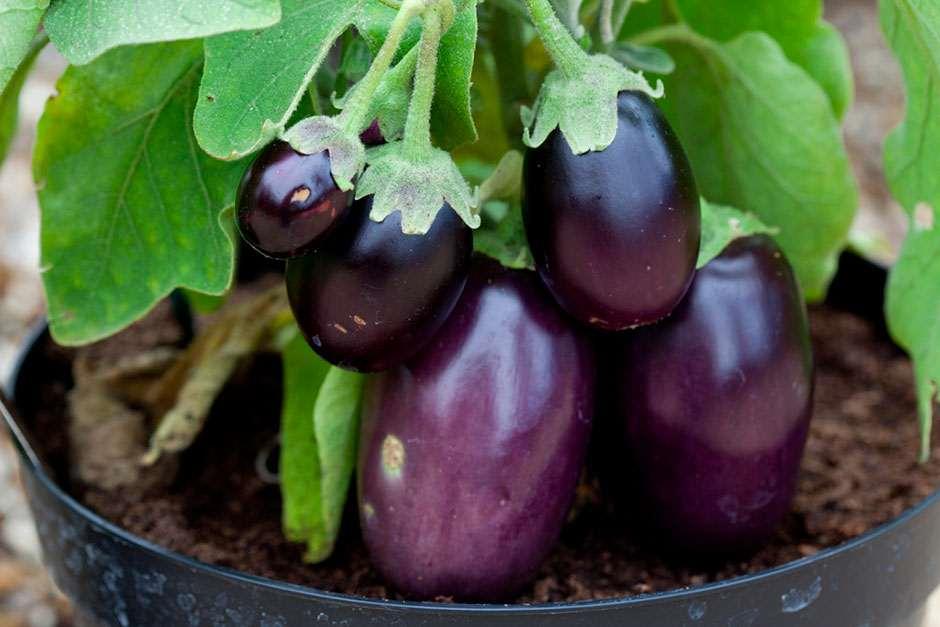
The Ultimate Guide to Growing Eggplants: From Seed to Harvest
As a seasoned gardener, you’re probably eager to start growing eggplants from seeds. With the right guidance, you can successfully cultivate these delicious and versatile vegetables in your backyard or even indoors. In this comprehensive guide, we’ll walk you through the entire process, from sowing the seeds to harvesting the fruits of your labor.
Sowing Eggplant Seeds: A Simple Process
Sowing eggplant seeds is a straightforward process that requires minimal equipment. Here’s what you need to know:
- Temperature: The ideal temperature for germinating eggplant seeds is around 25°C (77°F). If the temperature drops below 16°C (61°F), the seeds may not germinate.
- Moisture: Soak the seeds in a cup of water or infuse them with chamomile tea for 12 hours to help stimulate germination.
- Depth: Plant the seeds about halfway deep in a seed starting mix, or three seeds per cell in an alveolated tray.
Choosing the Right Time to Sow
The best time to sow eggplant seeds depends on your location and climate. In temperate regions, it’s recommended to start sowing in late February or early March. If you live in a warmer region, you can begin sowing as early as January or February.
In areas with cold winters, it’s essential to provide protection for the seedlings during the first few weeks after sowing. You can use row covers or other types of cloches to keep the soil warm and protect the young plants from frost.
Tips for Successful Sowing
Here are a few additional tips to ensure successful sowing:
- Use fresh seeds: Fresh seeds have a higher germination rate than older seeds.
- Maintain humidity: Cover the seed trays with a clear plastic bag or cloche to maintain humidity and promote germination.
- Provide adequate light: Eggplant seeds require bright, indirect light to germinate. You can place them near a south-facing window or under grow lights.
Transferring Seedlings to Larger Containers
Once the seedlings have two sets of leaves, it’s time to transfer them to larger containers. Here are some tips for successful transplanting:
- Handle with care: Handle the seedlings gently when transferring them to the new container, as their delicate roots can be easily damaged.
- Use a well-draining potting mix: Choose a potting mix that drains excess water quickly to prevent root rot and other problems.
Eggplant Varieties: Choosing the Right One for You
There are many different varieties of eggplants available, each with its unique characteristics and growing requirements. Here are some popular varieties to consider:
- Fairy Eggplant: A compact variety that produces small, round fruits.
- Rosa Bianca: A popular variety known for its high yields and disease resistance.
Tips for Growing Eggplant
Here are a few additional tips for growing eggplant:
- Provide support: Eggplants need support as they grow. You can use tomato cages or trellises to provide structure.
- Fertilize regularly: Feed the plants with a balanced fertilizer every week or two to promote healthy growth and fruit production.
Common Problems and Solutions
Here are some common problems you may encounter when growing eggplant, along with their solutions:
- Pests: Check for pests like aphids, whiteflies, and spider mites. Use neem oil or insecticidal soap to control infestations.
- Diseases: Treat fungal diseases with fungicides or remove infected plants to prevent the spread of disease.
Harvesting Eggplant
Eggplants are ready to harvest when they’re firm, glossy, and about 10-12 cm (4-5 inches) long. Here’s how to harvest them:
- Use scissors: Cut off the stem with scissors or a sharp knife.
- Handle gently: Handle the eggplant gently to avoid bruising.
Conclusion
Growing eggplant is a rewarding experience that requires patience, dedication, and the right guidance. By following these tips and guidelines, you’ll be able to successfully cultivate this delicious vegetable in your backyard or indoors. Happy growing!
Frequently Asked Questions (FAQs)
Here are some frequently asked questions about growing eggplant:
- What is the best way to start sowing eggplant seeds?
- Soak the seeds in a cup of water or infuse them with chamomile tea for 12 hours.
- How long does it take for eggplant seedlings to germinate?
- Eggplant seeds typically germinate within 5-7 days at temperatures above 16°C (61°F).
- What is the ideal temperature for growing eggplant?
- The ideal temperature for growing eggplant is between 20-25°C (68-77°F).
- How often should I fertilize my eggplants?
- Feed your eggplants with a balanced fertilizer every week or two to promote healthy growth and fruit production.
- What are some common problems when growing eggplant, and how can they be solved?
- Common problems include pests like aphids and spider mites, fungal diseases, and nutrient deficiencies. Use neem oil or insecticidal soap for pest control, fungicides for fungal diseases, and balanced fertilizers to address nutrient deficiencies.
- How do I know when my eggplants are ready to harvest?
- Eggplants are ready to harvest when they’re firm, glossy, and about 10-12 cm (4-5 inches) long.
Growing eggplant is a rewarding experience that requires patience, dedication, and the right guidance. By following these tips and guidelines, you’ll be able to successfully cultivate this delicious vegetable in your backyard or indoors.


