
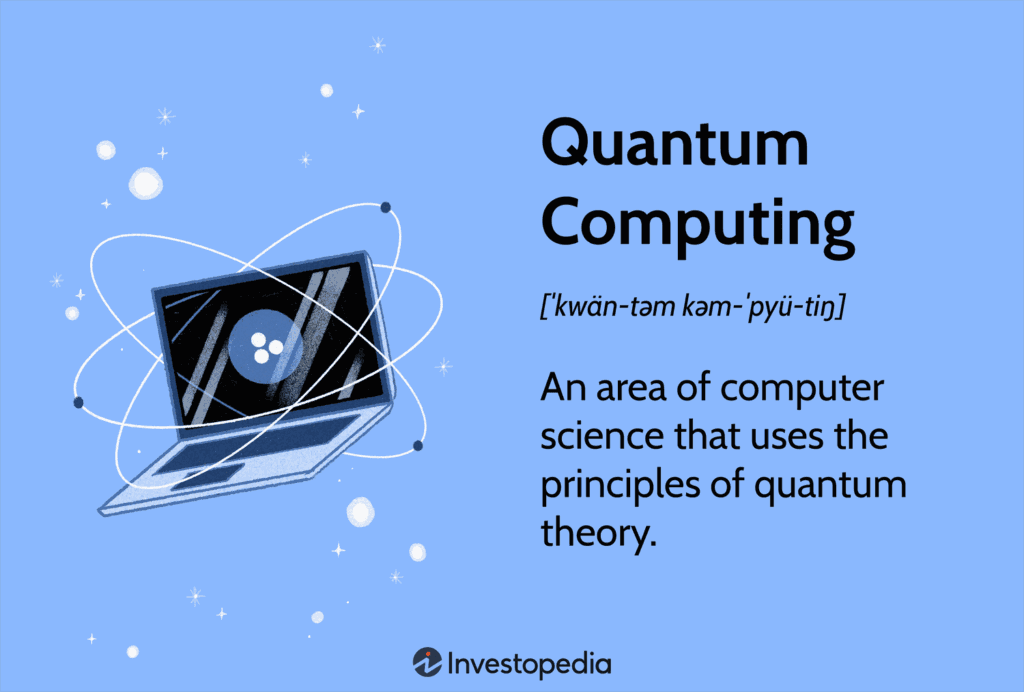
As we continue to explore the cutting-edge technology of quantum computing, it’s not uncommon to come across headlines that boast about breakthroughs and advancements. But what exactly is a quantum computer, and how does it work? In this article, we’ll delve into the world of quantum computing, exploring its principles, applications, and potential impact on our daily lives.
Understanding Quantum Computing
At its core, quantum computing is based on the principles of quantum mechanics and specifically, superposition. This concept allows qubits (quantum bits) to exist in multiple states simultaneously, enabling computers to process vast amounts of data exponentially faster than classical computers.
The qubit is the fundamental unit of a quantum computer, and it’s what sets these machines apart from their classical counterparts. Unlike classical bits, which can only be 0 or 1, qubits can be 0, 1, or both simultaneously, thanks to superposition. This property allows for parallel processing, making quantum computers potentially solve complex problems much faster.
The Power of Qubits
Qubits have several properties that make them incredibly powerful:
- Superposition: Qubits can exist in multiple states at once.
- Entanglement: Qubits can become “entangled,” allowing for instantaneous communication between them, even when separated by vast distances.
- Quantum interference: Qubits can interfere with each other, enabling the creation of complex quantum states.
These properties are what make qubits so unique and enable the processing of vast amounts of data in parallel. However, they also introduce new challenges, such as maintaining control over these fragile quantum states.
Real-World Applications
Quantum computing has the potential to revolutionize various fields, including:
- Cybersecurity: Quantum computers can break certain classical encryption algorithms, but they can also be used to create unbreakable quantum encryption methods.
- Materials Science: Quantum computers can simulate complex materials and chemical reactions, leading to breakthroughs in materials science and potentially new discoveries.
- Optimization Problems: Quantum computers can solve optimization problems much faster than classical computers, which has significant implications for fields like logistics and finance.
The Road Ahead
While we’ve made significant progress in quantum computing, there’s still a long way to go. The field is still in its early stages, and several challenges need to be overcome before quantum computers become widely available. These include:
- Scalability: Quantum computers are currently too small and fragile to perform complex tasks.
- Error Correction: Quantum computers are prone to errors due to the fragile nature of qubits.
- Control and Measurement: Maintaining control over qubits and measuring their state is a significant challenge.
Despite these challenges, researchers and companies continue to push the boundaries of quantum computing. As we move forward, it’s likely that we’ll see significant breakthroughs in the coming years.
The Future of Computing
As we look to the future, it’s clear that quantum computing will play an increasingly important role in shaping our world. While there are still challenges to overcome, the potential benefits of quantum computing make it an exciting and worthwhile field to explore.
Whether you’re a seasoned tech enthusiast or just starting to learn about quantum computing, now is an exciting time to be a part of this rapidly evolving field.
FAQs
Q: What is a qubit?
A: A qubit (quantum bit) is the fundamental unit of a quantum computer, allowing for superposition and parallel processing.
Q: How does a quantum computer work?
A: Quantum computers use qubits to exist in multiple states simultaneously, enabling them to process vast amounts of data exponentially faster than classical computers.
Q: What are some potential applications of quantum computing?
A: Quantum computing has the potential to revolutionize fields like cybersecurity, materials science, and optimization problems.
Q: What are some challenges facing the development of quantum computing?
A: Challenges include scalability, error correction, control, and measurement of qubits.
Q: When can we expect quantum computers to become widely available?
A: While significant progress has been made in quantum computing, it’s still an early stage field. We can expect breakthroughs in the coming years, but widespread availability is still a few years away.
The Current State of Quantum Computing
Quantum computing has come a long way since its inception, with numerous breakthroughs and advancements in recent years. Some notable milestones include:
- Google’s Quantum AI Lab: In 2019, Google announced the launch of its Quantum AI Lab, which aimed to develop practical quantum algorithms for real-world problems.
- Rigetti Computing’s Quantum Cloud: Rigetti Computing has developed a quantum cloud platform that allows users to access and run quantum algorithms on their quantum computers.
- IBM’s Quantum Experience: IBM has created the Quantum Experience, a cloud-based platform that enables users to develop and run quantum algorithms.
The Benefits of Quantum Computing
Quantum computing has numerous benefits that make it an exciting and worthwhile field to explore. Some of these benefits include:
- Exponential Speedup: Quantum computers can solve certain problems exponentially faster than classical computers.
- Unbreakable Encryption: Quantum computers can be used to create unbreakable quantum encryption methods, ensuring secure communication.
- New Materials and Products: Quantum computers can simulate complex materials and chemical reactions, leading to breakthroughs in materials science and potentially new discoveries.
The Challenges of Quantum Computing
While the benefits of quantum computing are numerous, there are also several challenges that need to be overcome. Some of these challenges include:
- Scalability: Quantum computers are currently too small and fragile to perform complex tasks.
- Error Correction: Quantum computers are prone to errors due to the fragile nature of qubits.
- Control and Measurement: Maintaining control over qubits and measuring their state is a significant challenge.
Conclusion
Quantum computing has the potential to revolutionize various fields, including cybersecurity, materials science, and optimization problems. While there are still challenges to overcome, the benefits of quantum computing make it an exciting and worthwhile field to explore.
As we continue to push the boundaries of quantum computing, we can expect significant breakthroughs in the coming years. Whether you’re a seasoned tech enthusiast or just starting to learn about quantum computing, now is an exciting time to be a part of this rapidly evolving field.
References
- “Quantum Computing for Everyone” by Michael A. Nielsen and Isaac L. Chuang
- “Quantum Mechanics: An Elementary Introduction” by Lev Landau and Evgeny Lifshitz
- “The Quantum Computer” by Seth Lloyd
By exploring the world of quantum computing, we can gain a deeper understanding of its principles, applications, and potential impact on our daily lives. Whether you’re a seasoned tech enthusiast or just starting to learn about quantum computing, now is an exciting time to be a part of this rapidly evolving field.


