
Understanding Canine Itching
If you’re a dog owner, chances are you’ve experienced the frustration of watching your furry friend scratch excessively, sometimes to the point of causing injuries or irritations. But what triggers this behavior? How can you help your dog find relief? In this article, we’ll delve into the world of canine itching and explore its causes, symptoms, and effective remedies.
The Prevalence of Itching in Dogs
Just like humans, dogs have different tolerance levels when it comes to itching. Some breeds are more prone to scratching due to their genetic makeup or environmental factors. Understanding these differences is crucial in addressing the issue effectively.
Causes of Itching in Dogs: A Comprehensive Look
Itching in dogs can be caused by a range of factors, from mild to severe. One common culprit is skin allergies or irritations, which can manifest as redness, itching, and inflammation. If your dog’s itching persists over time, it may indicate a chronic condition that requires professional attention.
- Skin Allergies: Food allergies, environmental allergies, or contact allergies can all contribute to canine itching.
- Infections: Bacterial, fungal, or parasitic infections can cause intense itching and discomfort.
- Parasites: Fleas, ticks, mites, and other external parasites can thrive in certain conditions and trigger itching.
Seasonal Itching: The Mosquito of Spring
During specific seasons, dogs may experience itching due to parasites that love the warmer or cooler temperatures. Insects like mosquitoes in the summer and pollen or weeds in spring can cause intense itching.
- Mosquitoes: These tiny insects thrive in warm weather and can bite your dog’s skin, causing itching and discomfort.
- Pollen: Trees, grasses, and other plants release pollen during specific seasons, which can trigger allergic reactions in dogs.
- Weeds: Certain weeds, like ragweed or sagebrush, contain allergenic compounds that can cause itching.
Itching and Hair Loss: A Common Combination
Itching can lead to hair loss, especially in areas where your dog scratches frequently. This is more common in regions such as the abdomen, flanks, armpits, and neck. If your dog’s hair loss is accompanied by itching, it’s likely a sign of alopecia.
- Alopecia: This condition involves hair loss due to various reasons, including stress, skin infections, or parasites.
- Skin Irritations: Redness, inflammation, and itching can occur in areas where your dog scratches frequently.
Itching and Dermatitis: A Serious Issue
Dermatitis is a common cause of itching in dogs. While not life-threatening, it can be quite uncomfortable for your furry friend. It’s crucial to consult with a veterinarian for proper diagnosis and treatment.
- Dermatitis: This condition involves inflammation of the skin, which can lead to itching, redness, and discomfort.
- Symptoms: Redness, itching, scratching, and hair loss are common symptoms of dermatitis in dogs.
Natural Remedies for Dog Itching
Sometimes, itching can be a sign of stress in dogs. Natural remedies like music therapy can help calm your dog and eliminate any underlying psychological causes.
- Music Therapy: This non-invasive method uses calming music to reduce stress and anxiety in dogs.
- Other Remedies: Other natural remedies, such as omega-3 fatty acids or colloidal silver, may also be effective in alleviating itching.
Flea Allergies: A Common Cause of Itching
Even fleas can cause itching in dogs. Don’t rule out this possibility without investigating further, as dogs can carry these parasites even if they seem clean.
- Fleas: These tiny insects feed on your dog’s blood and can trigger allergic reactions.
- Allergy Symptoms: Redness, itching, scratching, and hair loss are common symptoms of flea allergies in dogs.
Ear Itching: A Separate Issue
Itching in a dog’s ears is a separate concern that requires attention. Certain conditions, such as otitis media or otorrhea, can cause intense itching and discomfort.
- Otitis Media: This condition involves an infection of the middle ear.
- Otorrhea: This condition involves pus in the ear canal.
Conclusion: Addressing Canine Itching
Itching in dogs is a common issue that requires attention. By understanding its causes, recognizing symptoms, and exploring effective remedies, you can help your furry friend find relief from this annoying behavior. Consult with a veterinarian to determine the best course of action for your dog.
Frequently Asked Questions: Itching in Dogs
Q: What are some common causes of itching in dogs?
A: Skin allergies, infections, parasites, and stress can all contribute to canine itching.
A: If your dog’s itching persists over time or is accompanied by other symptoms like hair loss, redness, or inflammation, it may indicate a chronic condition that requires professional attention.
Q: Can music therapy really help alleviate itching in dogs?
A: Yes, research suggests that calming music can reduce stress and anxiety in dogs, which can contribute to itching behavior.
Q: How often should I bathe my dog to prevent flea allergies?
A: Regular bathing with a medicated shampoo can help control flea populations and prevent allergic reactions.
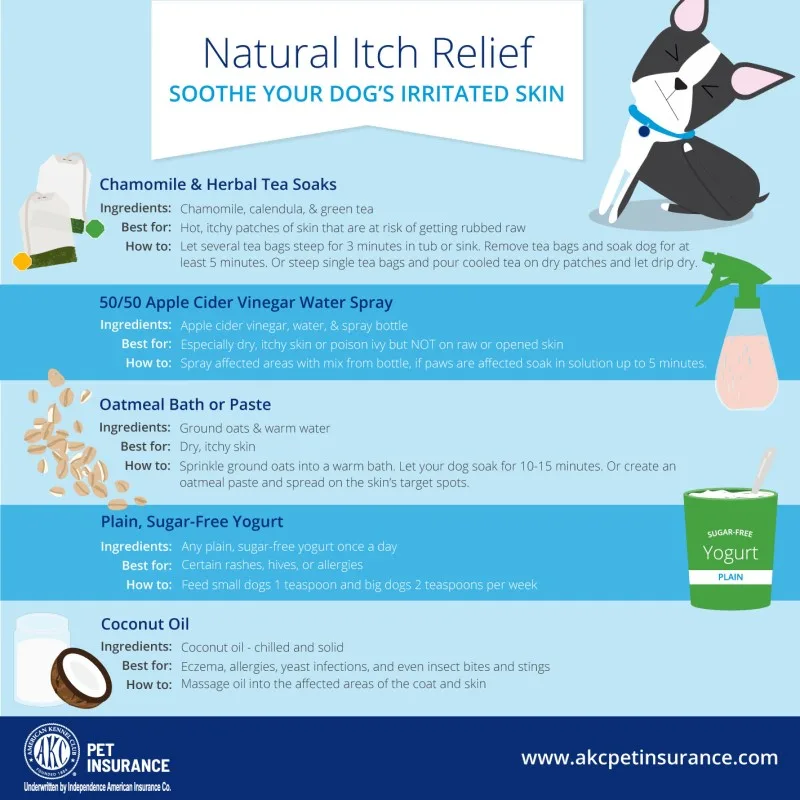
Q: Can home remedies like oatmeal baths or apple cider vinegar work for dog itching?
A: Some home remedies, such as oatmeal baths or adding apple cider vinegar to your dog’s water, may provide relief from itching. However, consult with a veterinarian before trying any new treatments.
Q: What are some signs that my dog needs professional veterinary attention for their itching?
A: If your dog’s itching is accompanied by other symptoms like fever, vomiting, or difficulty breathing, seek immediate veterinary attention.
Q: How can I prevent itching in dogs from happening in the first place?
A: Regular grooming, vaccinations, and parasite control measures can all contribute to a healthy skin environment that reduces the risk of itching.


