
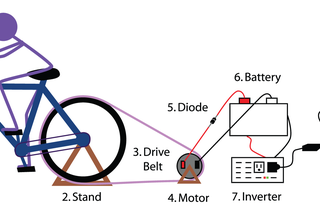
As we strive for sustainability and eco-friendliness, innovators have been exploring unconventional ways to harness energy. One such concept is the energy-powered bike, which converts human power into electricity. In this article, we’ll delve into the world of these innovative bikes and explore their potential applications.
What is an Energy-Powered Bike?
An energy-powered bike is a specialized bicycle that generates electricity as you pedal. These bikes are designed to produce a significant amount of power, making them suitable for various purposes, from powering small appliances to charging electric vehicles.
Energy-powered bikes use a unique pedaling mechanism that converts human energy into electrical energy. This process involves converting the kinetic energy generated by pedaling into electrical energy through a series of gears and motors. The resulting electricity can be used to charge devices, power lights, or even generate enough electricity to charge small electric vehicles.
Design and Functionality
Energy-powered bikes come in different designs, but most feature a unique pedaling mechanism that converts human energy into electrical energy. Some models have three pedals, while others have a single pedal or even a stationary bike setup. The design is often compact and space-efficient, making it perfect for urban areas.
The heart of an energy-powered bike lies in its advanced propulsion system, which combines traditional bicycle technology with cutting-edge electric motors and gearboxes. These systems allow the bike to generate significant amounts of power while maintaining a comfortable ride for riders.
Applications and Potential Uses
Energy-powered bikes can be used in various scenarios:
- Home Power Generation: These bikes can be used to charge small appliances, lights, or even entire homes.
- Public Spaces: Energy-powered bikes can be integrated into public spaces, such as parks, streets, or squares, to create sustainable energy sources.
- Transportation: With the increasing demand for electric vehicles, energy-powered bikes can be used to charge cars and buses, promoting a more sustainable transportation system.
- Renewable Energy Harvesting: These bikes can be used in combination with solar panels or wind turbines to generate electricity on-site.
Energy-powered bikes have far-reaching potential applications across various industries, from residential areas to commercial spaces. By harnessing human energy and generating electricity, these innovative bikes offer a sustainable solution for powering devices, transportation, and even entire homes.
Real-World Examples
While still in its infancy, the concept of energy-powered bikes has already gained attention worldwide. For instance:
- In Italy, during Christmas festivities, many trees were illuminated using energy generated by cyclists pedaling their bicycles.
- In a US prison, inmates used energy-powered bikes to reduce their sentence length and generate electricity for the facility.
These examples demonstrate the potential of energy-powered bikes in various settings and highlight the need for further research and development. By exploring innovative designs and applications, we can unlock the full potential of these eco-friendly bikes.
Benefits and Challenges
Energy-powered bikes offer several advantages, including reduced carbon emissions and increased energy efficiency. However, there are also some challenges to consider:
- Power Output: A single cyclist can produce only a limited amount of power, making it impractical for widespread use.
- Scalability: Energy-powered bikes need to be designed with scalability in mind to accommodate large numbers of users.
Despite these challenges, energy-powered bikes have the potential to revolutionize various industries and promote sustainability. By addressing the limitations of current designs and developing more efficient propulsion systems, we can unlock the full potential of these innovative bikes.
Case Study: Crowne Plaza Amsterdam
The Crowne Plaza hotel in Amsterdam has successfully integrated energy-powered bicycles into their fitness center. The generated electricity is added to the existing solar panel system, providing a sustainable and eco-friendly solution for the hotel’s power needs.
This case study demonstrates the potential of energy-powered bikes in commercial settings and highlights the importance of collaboration between manufacturers, researchers, and end-users. By sharing knowledge and expertise, we can develop more efficient designs that meet the demands of various industries.
Conclusion
Energy-powered bikes represent an innovative approach to harnessing human energy and generating electricity. While still in its early stages, this technology has the potential to transform various industries and promote sustainability. As researchers continue to refine and improve these designs, we can expect to see more widespread adoption of energy-powered bikes.
Frequently Asked Questions (FAQs)
Q: How do energy-powered bikes work?
A: Energy-powered bikes use a unique pedaling mechanism that converts human energy into electrical energy.
Q: What are the benefits of using energy-powered bikes?
A: Energy-powered bikes offer reduced carbon emissions, increased energy efficiency, and can be used to generate electricity for various purposes.
Q: Can I use an energy-powered bike in my home?
A: Yes, energy-powered bikes can be used to charge small appliances or even entire homes.
Q: Are energy-powered bikes suitable for long-distance pedaling?
A: While some energy-powered bikes are designed for short-distance pedaling, others are more suited for longer distances. It’s essential to choose a bike that meets your specific needs.
Q: Can I use an energy-powered bike in public spaces?
A: Yes, energy-powered bikes can be integrated into public spaces, such as parks or streets, to create sustainable energy sources.
Q: How does the power output of an energy-powered bike compare to traditional bicycles?
A: A single cyclist can produce only a limited amount of power on an energy-powered bike, typically around 500w. Traditional bicycles, on the other hand, have a much higher power output.
Q: What are some potential applications for energy-powered bikes?
A: Energy-powered bikes can be used to generate electricity for homes, charge electric vehicles, or even provide sustainable energy for public spaces.
Q: Are there any challenges associated with using energy-powered bikes?
A: Yes, energy-powered bikes have limitations in terms of power output and scalability. However, these challenges are being addressed by researchers and manufacturers as the technology advances.


