
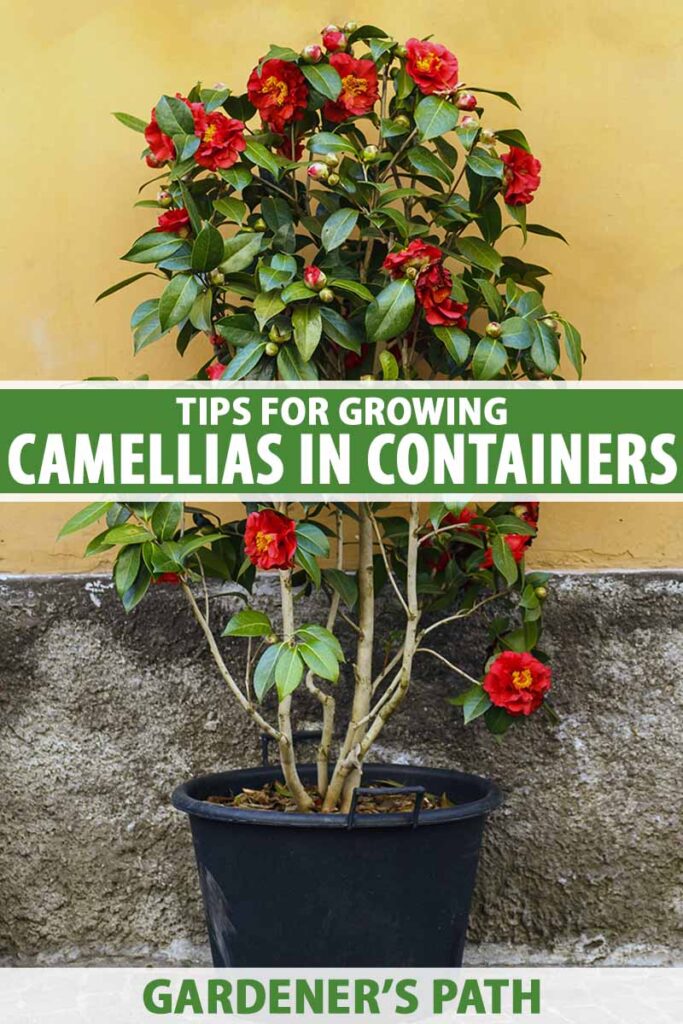
Growing Camellias: A Comprehensive Guide
As we explore the world of ornamental plants, camellias stand out as one of the most beloved and sought-after species. Known for their breathtaking beauty, these small shrubs can reach an impressive height of 6-7 meters, with stunning flowers that come in a variety of colors, including white, red, pink, and yellow.
But growing camellias is more than just admiring their beauty; it requires careful attention to detail and the right conditions. In this article, we’ll delve into the world of camellia cultivation, covering everything from choosing the perfect spot to pruning and repotting.
Understanding Camellia Needs
Before you begin, it’s essential to understand what your camellias need to thrive. Here are some key considerations:
- Lighting: While camellias can tolerate partial shade, they prefer semi-shaded conditions with protection from strong winds.
- Soil: Acidic, soft, and well-draining soil is ideal for camellias. If your soil is calcareous, you may need to add iron supplements to prevent nutrient deficiencies.
- Fertilization: Feed your camellias with organic fertilizers once a year to promote healthy growth.
Choosing the Right Spot
When selecting a location for your camellias, keep in mind that they require:
- Proper drainage: Avoid areas where water tends to collect, as this can lead to root rot.
- Protection from extreme temperatures: Camellias are sensitive to frost and extreme heat.
- Shade: While camellias prefer semi-shaded conditions, direct sunlight can be too intense. Provide shade for your camellias during the hottest part of the day.
Camellia Varieties
Did you know that there are many different varieties of camellias? Some popular ones include:
- Camellia japonica: This variety blooms from February to spring, making it a great choice for early-season color.
- Winter-flowering camellias: These plants produce stunning flowers during the winter months, despite the cold temperatures.
- Compact varieties: If you have limited space, consider compact varieties like ‘Akebono’ or ‘Yuletide’. They are perfect for container gardens and small spaces.
Pruning and Grooming
Regular pruning is essential to maintain your camellias’ shape and promote healthy growth. Here are some tips:
- Prune in spring: Prune your camellias after their blooming period, as this will help prevent shock.
- Avoid autumn pruning: Pruning during the autumn months can cause stress to the plant.
- Prune for shape: Trim back any dead or damaged branches to maintain the plant’s shape and promote healthy growth.
Repotting and Transplanting
Camellias grown in pots need regular repotting every 3-4 years. Here are some tips:
- Choose a larger pot: When repotting, use a container that’s at least 10% larger than the previous one.
- Avoid transplanting during summer: Transplanting during the hottest months can cause stress to the plant.
- Handle with care: Be gentle when handling your camellias during repotting, as they can be easily damaged.
Common Pests and Diseases
Keep an eye out for these common pests and diseases:
- Aphids: These small insects can be treated with a gentle soap solution.
- Root rot: This condition is often caused by overwatering or poor drainage. If you notice any signs of root rot, remove the affected roots immediately to prevent further damage.
- Fungal infections: Camellias are susceptible to fungal infections, which can cause yellowing leaves and reduced growth. Treat fungal infections promptly with fungicides.
Camellia Care in Different Regions
Different regions have unique climate conditions that can affect camellia growth. Here’s how to care for your camellias in different parts of the world:
- Tropical regions: Camellias grown in tropical regions require more frequent watering and pruning.
- Temperate regions: Camellias grown in temperate regions need protection from frost during winter months.
- Mediterranean regions: Camellias grown in Mediterranean regions benefit from protection from extreme temperatures.
Camellia Care During Winter Months
Winter is an excellent time to prune and repot your camellias. Here’s how:
- Prune after blooming: Prune your camellias after their blooming period, as this will help prevent shock.
- Repot in spring: Repot your camellias in the spring when the weather warms up.
Conclusion
Growing camellias requires careful attention to detail and the right conditions. By understanding what your camellias need, choosing the perfect spot, pruning and grooming regularly, repotting every 3-4 years, watching out for common pests and diseases, and caring for your camellias in different regions, you can create a stunning display of flowers that will delight all who see them.
Additional Tips
- Use mulch: Mulching around the base of your camellias can help retain moisture and suppress weeds.
- Monitor pH levels: Regularly check your soil pH to ensure it remains acidic.


