
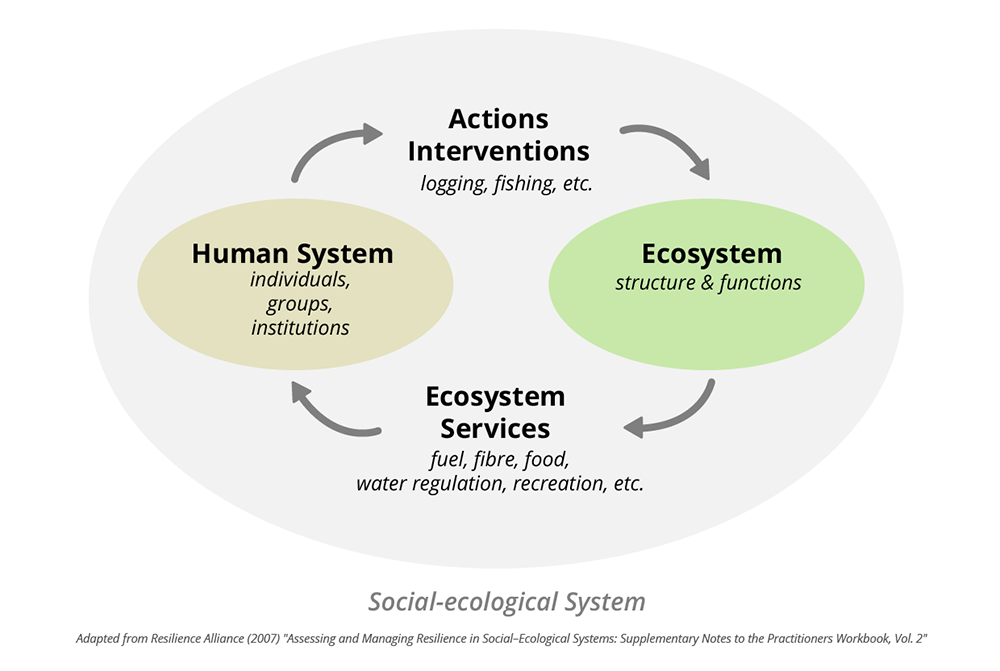
As we navigate the complexities of climate change and sustainable development, it’s essential to grasp the concept of socio-ecological transition. This phenomenon refers to the transformation from one dominant energy regime to another, accompanied by significant changes in societal structures, economy, demography, and human behavior. In this article, we will delve into the intricacies of socio-ecological transitions, exploring their history, dynamics, and implications for our planet.
What is Socio-Ecological Transition?
A socio-ecological transition is a multifaceted process that involves a shift from one mode of using the environment to another. This transformation can be driven by various factors, such as technological innovations, economic needs, or changes in societal values. The concept of socio-ecological transition has been identified as a crucial factor in understanding the complex relationships between human societies and the natural environment.
Historical Context: The Two Transitions
There have been two major socio-ecological transitions in human history:
- The Industrial Transition: From an agrarian society based on solar energy and land use to an industrial society reliant on fossil fuels and various technologies of conversion. This transition occurred between the 18th and 19th centuries, as societies began to adopt new technologies and energy sources, leading to significant changes in population growth rates, urbanization, and resource extraction practices.
- The Low-Carbon Transition: A transition away from fossil fuels towards renewable energy sources, such as solar power, and low-carbon industries. This transition is currently underway, driven by the growing awareness of climate change and the need for sustainable development.
What Changes During a Socio-Ecological Transition?
A socio-ecological transition involves changes in various aspects of society:
- Economy: Shifts in industrial structure, trade patterns, and economic systems. For example, the shift from fossil fuels to renewable energy sources can lead to changes in the global economy, as well as the emergence of new industries and job opportunities.
- Demography: Changes in population growth rates, urbanization, and migration patterns. For instance, the transition to an industrial society led to rapid urbanization, which in turn contributed to changes in social structures and cultural norms.
- Environment: Alterations in land use, resource extraction, and waste management practices. The shift from solar energy to fossil fuels has led to significant environmental impacts, including climate change, air pollution, and water degradation.
- Human Behavior: Changes in consumption patterns, lifestyle choices, and social norms. For example, the rise of the middle class during the industrial transition led to changes in consumer behavior, as people became more focused on material goods and status symbols.
The Current State of Socio-Ecological Transition
Most developed countries have reached a phase of stabilization in their socio-ecological transition, characterized by high levels of energy and material consumption. However, there are signs of stagnation in the low-carbon transition, and some emerging economies are rapidly industrializing, following a similar path to those in developed countries.
New Opportunities for Sustainable Development
The socio-ecological transition presents opportunities for sustainable development, particularly in the context of climate change mitigation and adaptation. By understanding the dynamics of this process, we can work towards creating more equitable, resilient, and environmentally conscious societies.
Key Takeaways:
- Socio-ecological transitions are complex, multifaceted processes that require a comprehensive understanding.
- The history of socio-ecological transition reveals two distinct phases: industrialization and low-carbonization.
- Changes in energy sources, societal structures, economy, demography, environment, and human behavior accompany socio-ecological transitions.
The Role of Technology in Socio-Ecological Transition
Technology plays a crucial role in shaping the direction and pace of socio-ecological transition. New technologies can drive changes in consumption patterns, lifestyle choices, and social norms, while also influencing the environmental impact of human activities.
For example:
- Renewable Energy Technologies: Advancements in solar power, wind energy, and other renewable energy sources have accelerated the low-carbon transition.
- Energy Efficiency Technologies: Improvements in building insulation, efficient lighting, and heating systems have reduced energy consumption and environmental impacts.
- Sustainable Agriculture Technologies: New farming practices and agricultural technologies can promote more sustainable food production, reduce greenhouse gas emissions, and protect biodiversity.
The Importance of Socio-Ecological Transition in Climate Change Mitigation
Understanding socio-ecological transition is essential for effective climate change mitigation. By recognizing the complex relationships between human societies and the natural environment, we can identify opportunities to reduce greenhouse gas emissions, promote sustainable development, and create more resilient communities.
For example:
- Energy System Transformation: Transitioning from fossil fuels to renewable energy sources can significantly reduce greenhouse gas emissions.
- Land Use Changes: Implementing sustainable land use practices, such as agroforestry and permaculture, can sequester carbon dioxide from the atmosphere.
- Circular Economy Models: Promoting circular economy models can reduce waste, conserve resources, and minimize environmental impacts.
Challenges and Opportunities in Socio-Ecological Transition
Socio-ecological transitions are not without challenges. However, they also present opportunities for sustainable development and climate change mitigation. By recognizing both the risks and rewards of socio-ecological transition, we can work towards creating a more sustainable future for all.
For example:
- Climate Change Adaptation: Understanding socio-ecological transition is essential for adapting to the impacts of climate change, such as sea-level rise, droughts, and extreme weather events.
- Sustainable Resource Management: Recognizing the complex relationships between human societies and natural resources can inform more sustainable management practices.
- Global Cooperation: Encouraging global cooperation and knowledge-sharing can facilitate the transition towards a low-carbon economy.
Conclusion
As we navigate the complexities of climate change and sustainable development, it’s essential to grasp the concept of socio-ecological transition. By understanding this complex phenomenon, we can work towards creating a more sustainable future for all.


