
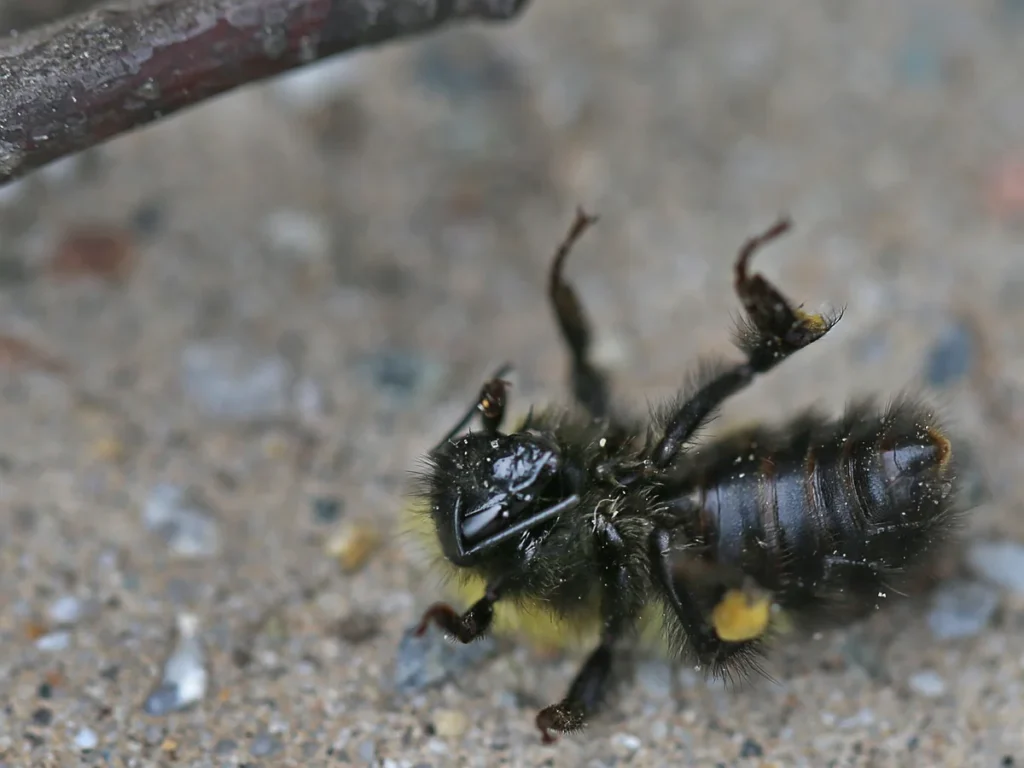
In recent months, Brazil has been at the center of global attention for its devastating environmental issues, including the burning of the Amazon rainforest and deforestation. Another alarming story has emerged involving bees, which have been dying off in massive numbers due to a severe crisis. Between December 2018 and February 2019, beekeepers in four Brazilian states reported finding over 500 million dead bees. This staggering number is a clear indication of the severity of the situation.
The Investigation
The news was first brought to light by an investigative journalism agency called Agência Pública and Repórter Brasil, which conducted a thorough investigation into the cause of the bee die-off. The state most affected was the Grande do Sul, the largest honey producer in Brazil, with approximately 400 million bees found dead. Other states that were severely impacted included Santa Catarina, Mato Grosso do Sul, and São Paulo.
The Causes
Initially, scientists believed that the main cause of the bee die-off was the Syndrome of Colony Collapse Disorder (CCD), a phenomenon where entire colonies of Apis mellifera bees suddenly disappear. However, after a more thorough analysis, it became clear that this was not the case. The investigation revealed that other factors were at play.
The Role of Pesticides
Further research led scientists to conclude that the primary cause of the bee die-off was the excessive use of pesticides, specifically fipronil, an insecticide with a wide range of effects. Insects in the EU have been restricted due to their impact on pollinator species. The widespread use of this pesticide is believed to be linked to the deaths of millions of bees.
The Politics behind the Pandemic
Critics point to the policies implemented by President Jair Bolsonaro, who has been vocal about his skepticism towards environmental issues. This criticism is aimed at the decision made by Bolsonaro to eliminate restrictions on the use of these toxic substances.
Increased Use of Pesticides in Brazil
The last three years have seen a significant increase in pesticide usage in Brazil, and it is precisely Bolsonaro’s administration that has lifted the ban on these hazardous substances. Greenpeace highlights that during this time period, over 193 pesticides and herbicides containing banned chemicals were found to be used in Brazil. A significant portion of these (40%) are extremely or highly toxic.
Threats to Bees
The link between pesticide use and bee die-offs has been widely discussed among scientists for years. In 2018, an EU Food Safety Authority report confirmed that the widespread use of neonicotinoid pesticides poses a serious threat to both domestic and wild bees. Additionally, climate change is exacerbating the decline of these vital pollinators.
Climate Change Impact
Climate change is having a devastating impact on bee populations worldwide. A WWF campaign has highlighted this issue by calling attention to the decrease in honey production due to droughts. In 2018, Brazil experienced an 80% drop in honey production due to drought conditions. This trend does not seem to be reversing.
The State of Honey Production
According to a recent report from Ismea on beekeeping: “In 2019, the loss estimated for acacia and citrus honey production was over 10,000 tons, representing more than 40% of expected average annual production under normal conditions.”
The Uncertain Future of Bees
As with many other species, bees are facing a bleak future. It’s hard to imagine a world without these essential pollinators, who play a vital role in producing over 70% of the food we eat.
Frequently Asked Questions (FAQs)
- What is causing the bee die-off in Brazil?
The primary cause of the bee die-off is believed to be excessive pesticide use, specifically fipronil. - Is climate change contributing to the decline of bees?
Yes, climate change is exacerbating the decline of pollinators worldwide. - How many bees have died off due to pesticides in Brazil?
Over 500 million bees were found dead between December 2018 and February 2019. - Who is responsible for the bee die-off in Brazil?
Critics point to President Jair Bolsonaro’s administration, which has lifted restrictions on pesticide use. - How many pesticides are being used in Brazil?
Over 193 pesticides and herbicides containing banned chemicals were found to be used during the last three years. - What is neonicotinoid syndrome?
Neonicotinoids are a class of insecticides that have been linked to bee deaths worldwide. - How can we prevent bee die-offs in Brazil?
Reducing pesticide use and promoting sustainable agricultural practices could help mitigate this crisis. - Will bees become extinct?
It’s unlikely that bees will become extinct, but their populations are facing a significant decline due to environmental pressures.
The Economic Impact of Bee Die-Offs
In addition to the environmental concerns, bee die-offs can also have a significant economic impact on Brazil and other countries. Honey production is a vital industry in many parts of the world, and without healthy bee populations, this industry will be severely impacted. The loss of bees could lead to increased costs for farmers, who rely heavily on pollinators to produce their crops.
The Health Benefits of Bees
Bees are not only essential for food production but also provide numerous health benefits to humans. Pollen and honey from bees have been shown to have medicinal properties, such as anti-inflammatory and antioxidant effects. The loss of bees could lead to a decrease in the availability of these beneficial products.
The Cultural Significance of Bees
Bees play an important role in many cultures around the world, particularly in Brazil where they are revered for their hard work and dedication to pollination. In some parts of Brazil, bees are seen as a symbol of community and cooperation, highlighting the importance of preserving these vital pollinators.
Conclusion
The bee die-off in Brazil is a stark reminder of the devastating impact that human activities can have on the environment. The excessive use of pesticides, climate change, and other environmental factors are all contributing to this crisis. It’s essential for governments, farmers, and individuals to take immediate action to mitigate these effects and protect our precious pollinators.
What Can Be Done?
- Reduce pesticide use: Encourage farmers to adopt sustainable agricultural practices that reduce or eliminate the use of pesticides.
- Promote bee-friendly crops: Plant bee-friendly crops such as flowers, herbs, and vegetables in gardens and farms.
- Create bee sanctuaries: Establish bee sanctuaries where bees can thrive without human interference.
- Support conservation efforts: Donate to organizations that work to protect bees and their habitats.
The Future of Bees
While the situation is dire, there is still hope for the future of bees. By working together, we can make a positive impact on bee populations worldwide. It’s time to take action and ensure that these essential pollinators continue to thrive for generations to come.


