
Hashimoto’s thyroiditis is a condition where the immune system mistakenly attacks the thyroid gland, leading to an underproduction of thyroid hormones. The first person to bring this specific disorder to light was Hakaru Hashimoto in 1912.
While it may seem like a rare disease, Hashimoto’s thyroiditis is actually one of the most common and prevalent thyroid disorders. It is considered an autoimmune disease, where the body produces antibodies that attack the thyroid gland, rendering it unable to produce sufficient amounts of hormones.
What Happens When You Have Hashimoto’s Thyroiditis?
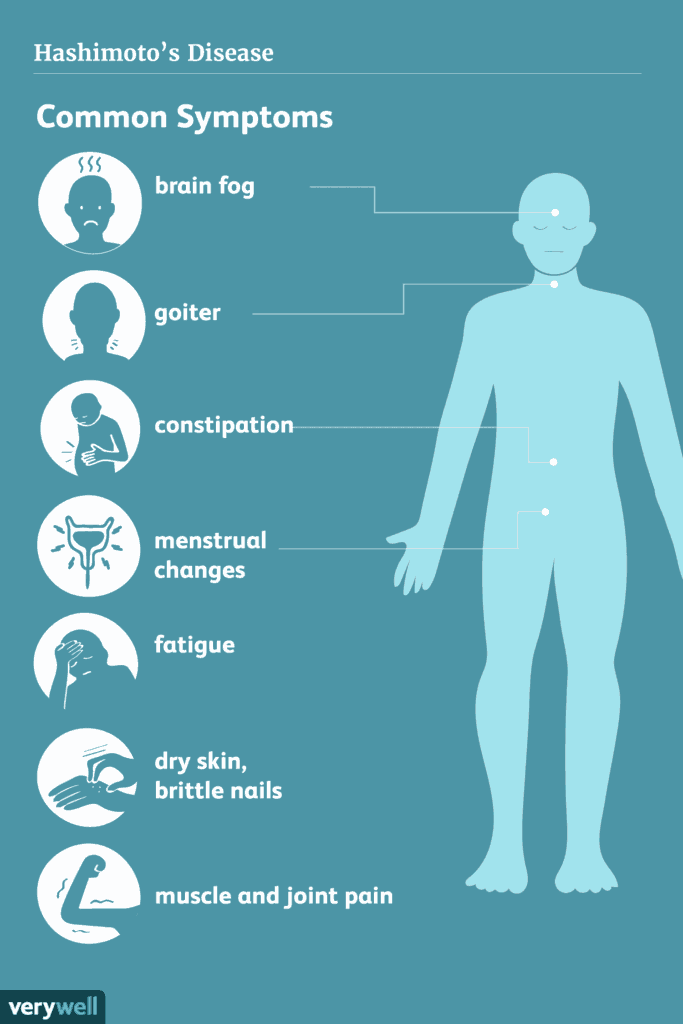
The primary symptom of this condition is hypothyroidism, which occurs when the thyroid gland fails to produce enough hormones. As a result, symptoms such as weight gain, fatigue, and cold intolerance may develop over time, progressing to more severe complications like swelling of the thyroid gland and breathing difficulties.
Additional effects can include heart palpitations, depression, and difficulty regulating body temperature. These symptoms can be subtle at first but worsen if left untreated, leading to a decrease in quality of life.
The Role of Autoantibodies
Autoantibodies are proteins produced by the immune system that mistakenly target the thyroid gland, causing damage and inflammation. The most common autoantibody associated with Hashimoto’s thyroiditis is thyrotropin receptor antibodies (TRAb). These antibodies can stimulate the thyroid gland to produce more hormones, leading to a paradoxical effect where the body produces too much or too little hormone.
Immunological Responses
Immune cells such as T-cells and B-cells play a crucial role in the development of Hashimoto’s thyroiditis. The immune system mistakenly identifies the thyroid gland as foreign and launches an attack on it, leading to inflammation and damage.
Inflammation is a hallmark of autoimmune diseases like Hashimoto’s thyroiditis. It occurs when the body’s immune response goes awry, attacking healthy tissues instead of invading pathogens. Chronic inflammation can lead to tissue damage and scarring, contributing to the progression of the disease.
Genetic Predisposition
Research suggests that genetic factors may play a significant role in the development of Hashimoto’s thyroiditis. Individuals with a family history of autoimmune diseases or thyroid disorders are more likely to develop this condition.
Environmental Factors
Environmental factors such as exposure to toxins, radiation, and pollutants have been linked to an increased risk of developing Hashimoto’s thyroiditis. These substances can trigger or exacerbate the immune response, leading to inflammation and tissue damage.
How Does Pregnancy Affect Women with Hashimoto’s Thyroiditis?
Hashimoto’s thyroiditis is particularly prevalent in women of childbearing age and can lead to an irregular production of white blood cells and antibodies that attack the thyroid gland. This can result in a decrease or cessation of hormone production, which can be detrimental during pregnancy.
During pregnancy, the body requires more thyroid hormones to support fetal development and maternal health. Women with Hashimoto’s thyroiditis may need to take medication to regulate their thyroid function and ensure adequate hormone production for both themselves and their unborn child.
Treatment Options
While dietary changes can help alleviate symptoms, medication may be necessary to manage this condition. Synthetic hormone replacement therapy is often used to regulate thyroid function and alleviate symptoms.
In addition to medication, alternative therapies like acupuncture can provide relief from symptoms associated with Hashimoto’s thyroiditis. Acupuncture involves the insertion of fine needles into specific points on the body to stimulate healing and balance.
Nutrition and Diet
A well-planned diet is essential for managing Hashimoto’s thyroiditis. Foods rich in Omega 3 fatty acids like fatty fish, flaxseed oil, and chia seeds can help alleviate symptoms. Other beneficial foods include olive oil, whole grains, vegetables, fruits, and spices like ginger and turmeric.
It is recommended to avoid foods high in simple sugars and processed foods that can exacerbate inflammation and worsen symptoms. A balanced diet can help regulate thyroid function, reduce inflammation, and promote overall health.
Choosing Whole Grains, Vegetables, and Fresh Fruits
Whole grains such as brown rice, quinoa, and whole wheat bread provide essential vitamins and minerals for a healthy thyroid gland. Incorporating vegetables rich in antioxidants like berries and leafy greens can help alleviate symptoms associated with Hashimoto’s thyroiditis.
Fresh fruits are also beneficial due to their high antioxidant content and ability to regulate hormone production. Fresh fruits such as citrus fruits, apples, and pears contain flavonoids that have anti-inflammatory properties.
Foods to Avoid
Certain foods may exacerbate symptoms of Hashimoto’s thyroiditis. These include:
- Foods high in simple sugars like candy, cakes, and pastries
- Processed meats like hot dogs and sausages
- Refined grains like white bread and pasta
- Foods high in saturated fats like butter and lard
Supplements for Thyroid Health
In addition to dietary changes, supplements may be necessary to manage Hashimoto’s thyroiditis. Omega 3 fatty acids have anti-inflammatory properties that can help alleviate symptoms.
Iodine is also essential for thyroid function, as it plays a crucial role in the production of thyroid hormones. Foods rich in iodine include seaweed, dairy products, and iodized salt.
Alga Spirulina for Thyroid Health
A popular supplement among health enthusiasts is Alga spirulina, a rich source of protein and nutrients that support thyroid function. When taken in supplement form or as an integrator, it may help regulate thyroid hormones and alleviate symptoms associated with Hashimoto’s thyroiditis.
Frequently Asked Questions (FAQs)
Q: What are the primary causes of Hashimoto’s thyroiditis?
A: The exact cause is still unknown, but it is believed to be related to autoimmune disorders that attack the thyroid gland.
Q: How does pregnancy affect women with Hashimoto’s thyroiditis?
A: Pregnancy increases demand for thyroid hormones, and therefore, proper care is essential for both the mother and unborn child.
Q: What foods should I eat if I have Hashimoto’s thyroiditis?
A: Foods rich in Omega 3 fatty acids, olive oil, whole grains, vegetables, fruits, and spices like ginger and turmeric are beneficial.
Q: Can Alga spirulina help with thyroid health?
A: Yes, it may aid in regulating thyroid hormones and alleviating symptoms associated with Hashimoto’s thyroiditis.
Q: What is the best way to manage symptoms of Hashimoto’s thyroiditis?
A: A combination of dietary changes, medication, and alternative therapies like acupuncture can provide relief from symptoms.
Q: Can I still get pregnant if I have Hashimoto’s thyroiditis?
A: Yes, but it may be recommended to delay pregnancy or take precautions to ensure a healthy pregnancy.
Q: How common is Hashimoto’s thyroiditis compared to other thyroid disorders?
A: Hashimoto’s thyroiditis is one of the most prevalent thyroid disorders, affecting millions worldwide.
Q: What are the potential long-term effects of untreated Hashimoto’s thyroiditis on health?
A: Untreated hypothyroidism can lead to serious complications such as heart problems and anemia.


