
Are you familiar with the term “Giuggiola”? For many, it’s synonymous with a hearty bowl of giuggiole broth. However, this Italian fruit deserves more than just its nickname. Let us delve into the fascinating world of Giuggiola, exploring its history, nutritional benefits, culinary uses, and extraordinary properties.
The Fruit: A True Delight
Giuggiola is a sweet and tangy fruit that grows on the Giuggiolo tree (Ziziphus jujuba). Also known as the Chinese date plum, it belongs to the Ramnaceae family. The fruit’s shape resembles a dattero or an apricot, with a glossy exterior that changes color from yellow to orange, red, and even reddish-brown as it ripens.
The Plant: A Towering Beauty
The Giuggiolo tree can grow up to 10 meters tall, making it a striking presence in any landscape. Its small fruits may be tiny compared to other trees, but they pack a nutritional punch. Native to Asia, the plant has been cultivated for centuries and was introduced to Italy in 1660.
When to Enjoy Giuggiola
Giuggiola is ready to eat between September and October. The best time to pick it is when the fruit is still green, as its flavor profile is similar to that of apples. As it ripens, the taste becomes sweeter and more similar to dates or prunes. You can enjoy it fresh, dried, or even used in jams and preserves.
Culinary Delights
Giuggiola pairs perfectly with tea or served as a sweet snack at breakfast. To make delicious Giuggiola biscuits, you’ll need 200 grams of polenta flour, 150 grams of “00” flour, 60 grams of sugar, 1 egg, 2 teaspoons of baking powder, 50 grams of butter, and half a cup of milk. Add a pinch of salt and a splash of grappa (optional), then fold in the chopped fruit.
Unlocking Giuggiola’s Secrets
This ancient fruit has been prized for its health benefits since time immemorial. The Chinese have used it to aid digestion, while modern research has confirmed its ability to reduce anxiety and alleviate pain. Giuggiola is also rich in antioxidants, including polyphenols and flavonoids, which can boost immunity and protect against free radicals.
Nutritional Breakdown
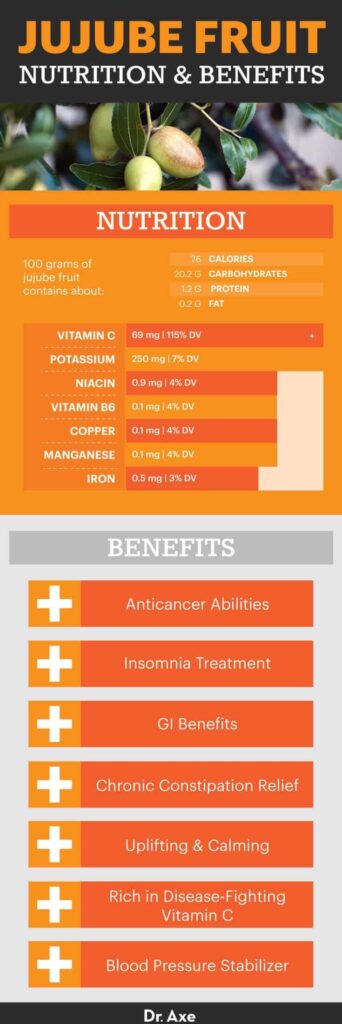
A 100-gram serving of Giuggiola contains:
- Calories: 78
- Water content: 81%
- Proteins: 0.8%
- Fiber: 0.6%
- Sugars: 5.8%
- Vitamins (A, B1, B2, B3, B6) and minerals (calcium, phosphorus, iron, sodium, potassium, magnesium, zinc, manganese)
More than Just a Fruit
Giuggiola has been used in traditional medicine for centuries to treat various ailments. The fruit’s ant-inflammatory properties have earned it recognition as a natural remedy for digestive issues, while its antioxidants can help combat cancer and other diseases.
Brodo di Giuggiole: A Symbol of Joy
In Italy, the term “brodo di giuggiole” is synonymous with feeling exceptionally happy or euphoric. This phrase has its roots in the traditional use of giuggioles to make wine, which was believed to induce feelings of love and infatuation.
Bonsai Giuggiola: A Work of Art
With over 400 varieties, the Giuggiolo tree can be trained into a stunning bonsai. The art of growing these miniature trees has been practiced in Asia for thousands of years, with modern enthusiasts finding online resources to help them cultivate their own bonsai.
Cultural Significance
Giuggiola has played a significant role in Italian culture for centuries. In the 18th century, it was used as a symbol of love and fertility. The fruit’s sweet flavor and fragrance have also been celebrated in various musical compositions and poems.
Preserving Giuggiola
To enjoy Giuggiola at its best, it’s essential to store it properly. Fresh giuggioles can be stored in an airtight container in the refrigerator for up to three days. Dried giuggioles can be kept for several months, while jammed or preserved giuggioles can last throughout the year.
Growing Giuggiola
If you’re interested in growing your own Giuggiolo tree, make sure to plant it in well-draining soil and provide adequate sunlight and water. With proper care, a Giuggiolo tree can thrive for centuries, providing a bountiful harvest of delicious fruit.
Conclusion
Giuggiola is more than just a tasty fruit – it’s an ancient treasure trove of health benefits and culinary delights. Whether you enjoy it fresh, dried, or used in jams and preserves, this incredible plant is sure to surprise and delight. So go ahead, give Giuggiola a try, and experience its unforgettable taste and numerous perks for yourself!
Frequently Asked Questions
- Is Giuggiola good for digestion?
- Yes, Giuggiola has been used traditionally to aid digestion due to its high fiber content.
- What are the benefits of consuming Giuggiola?
- Giuggiola is rich in antioxidants, vitamins, and minerals, which can help boost immunity and protect against free radicals.
- Can I use Giuggiola in cooking?
- Absolutely! Giuggiola pairs perfectly with tea or served as a sweet snack at breakfast. It’s also delicious in jams, preserves, and even used to make biscuits.
- Is Giuggiola good for anxiety?
- Yes, modern research has confirmed Giuggiola’s ability to reduce anxiety due to its antianxiety properties.
- Where can I find Giuggiolo trees or Giuggiola bonsai?
- Giuggiolo trees are native to Asia but can be found in some Italian gardens. You can also search online for bonsai resources or purchase seeds from reputable suppliers.
Glossary
- Antioxidants: Compounds that help protect the body against free radicals and oxidative stress.
- Bonsai: A miniature tree grown using traditional techniques to achieve a desired shape and size.
- Digestive issues: Problems related to the digestive system, such as constipation, diarrhea, or abdominal pain.
- Flavonoids: A class of plant compounds known for their antioxidant properties.
- Free radicals: Unstable molecules that can cause oxidative stress and damage cells.
Further Reading
For more information on Giuggiola, its history, nutritional benefits, and culinary uses, please refer to the following resources:
- “Giuggiola: The Forgotten Fruit of Ancient Origins” by Dr. Maria Rosa
- “The Benefits of Eating Giuggiola” by Nutrition Magazine
- “Traditional Medicine and Giuggiola” by Herbal Remedies Journal


