
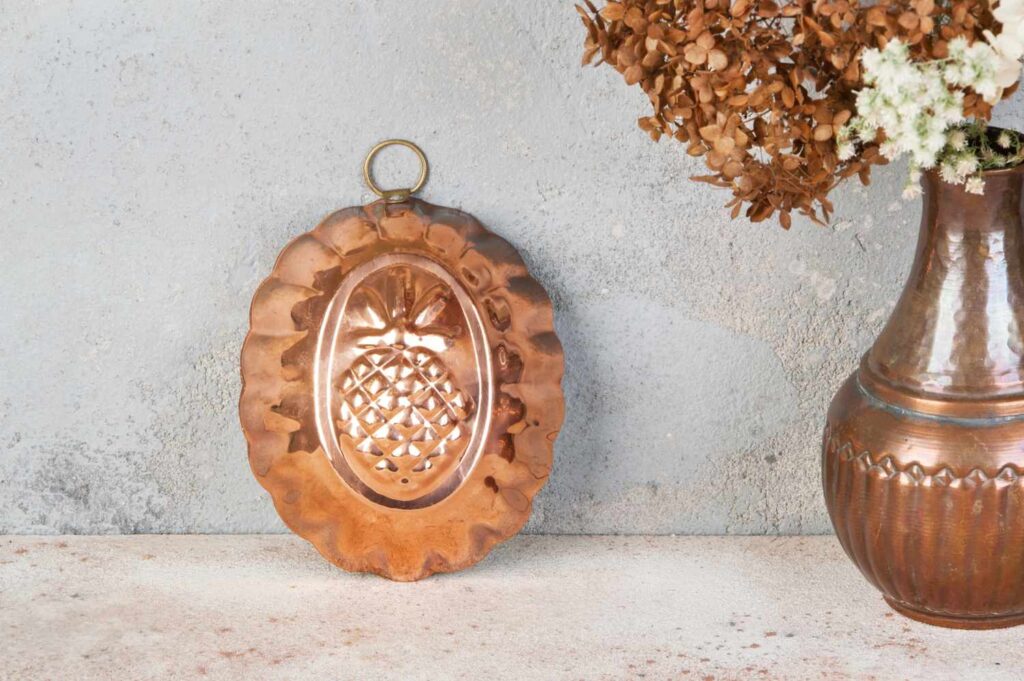
Are you tired of seeing your bronze, brass, or bronze alloy pieces lose their luster over time? Do you want to restore them to their former glory without damaging the metal? In this article, we will explore natural methods for cleaning these metals, ensuring a sparkling finish and preserving their integrity.
Understanding Bronze, Brass, and Bronze Alloy
Bronze is an alloy made from copper (tin) or other metals, while brass is primarily composed of copper and zinc. Bronze alloy, on the other hand, can include nickel, aluminum, or beryllium as additional elements. These metals have been used for centuries to create beautiful pieces, such as sculptures and decorative items.
Bronze has a natural patina that develops over time due to exposure to the elements. This patina is what gives bronze its unique appearance and character. However, this patina can also make it difficult to clean the metal, as dirt and grime tend to accumulate on its surface. Brass, on the other hand, is more prone to tarnishing than bronze, but it can still be cleaned using natural methods.
Why Clean Bronze, Brass, and Bronze Alloy?
Cleaning bronze, brass, and bronze alloy is essential to maintain their appearance, prevent damage, and ensure a long lifespan. Over time, these metals can become dull, discolored, or even develop rust spots, which can be caused by environmental factors like humidity and pollution.
Cleaning bronze and brass also helps to remove dirt and grime that can accumulate on the surface of the metal, which can lead to scratches and damage. Regular cleaning also helps to maintain the natural patina of bronze and prevents it from becoming too dark or discolored.
Methods for Cleaning Bronze
1. Using Olive Oil
One of the most effective natural methods for cleaning bronze is using olive oil. This method is perfect for removing stubborn dirt and grime without damaging the metal. Here’s how to do it:
- Heat the olive oil in a pan over low heat.
- Dip a soft cloth into the oil and gently rub it onto the bronze surface.
- If necessary, use a toothbrush or small brush to remove any remaining dirt.
- Wipe clean with a dry cloth.
2. Lemon Juice
For tougher stains, try using lemon juice. This method is simple yet effective:
- Cut a lemon in half and squeeze its juice onto the bronze surface.
- Let it sit for about 10-15 minutes to allow the acid to break down any tough dirt or grime.
- Rinse with warm water and dry thoroughly.
3. Avoiding Harsh Chemicals
When cleaning bronze, avoid using harsh chemicals like acid-based cleaners, as they can damage the metal. Instead, opt for gentle methods that won’t strip away its natural patina.
Cleaning Bronze on Lapids
Lapids are often used to create monuments and memorials, and bronze is commonly used in these applications. However, bronze on lapids can become discolored over time due to exposure to the elements.
- Before cleaning, inspect the piece for any signs of rust or corrosion.
- If necessary, use a mild detergent and warm water to clean the bronze.
- Avoid using harsh chemicals or abrasive materials that could damage the metal.
- Dry thoroughly with a soft cloth.
Cleaning Brass
Brass is another popular alloy used in various applications, including decorative items and hardware. Cleaning brass requires a gentle approach to prevent damage:
- Mix equal parts of white vinegar and water in a bowl.
- Dip a soft cloth into the solution and gently rub it onto the brass surface.
- If necessary, use a toothbrush or small brush to remove any remaining dirt.
- Wipe clean with a dry cloth.
Cleaning Bronze Alloy
Bronze alloy is a versatile material that can be used for various purposes. Cleaning bronze alloy requires attention to its unique properties:
- For delicate pieces, try using olive oil or lemon juice as mentioned earlier.
- For tougher stains, use a mild detergent and warm water.
- Avoid using harsh chemicals or abrasive materials that could damage the metal.
Preventing Dirt and Grime
To keep your bronze, brass, and bronze alloy pieces looking their best, try these preventive measures:
- Apply a thin layer of wax or oil to protect the metal from dirt and grime.
- Regularly clean and polish the piece to maintain its appearance.
- Avoid exposing the metal to harsh chemicals or extreme temperatures.
By following these natural methods for cleaning bronze, brass, and bronze alloy, you can keep your pieces looking their best while preserving their integrity. Remember to always use gentle approaches and avoid harsh chemicals to prevent damage.
Frequently Asked Questions
Q: How often should I clean my bronze piece?
A: Regular cleaning is essential to maintain the appearance of your bronze piece. Aim for a frequency of every 1-3 months, depending on usage and exposure.
Q: Can I use bleach to clean bronze?
A: No, never use bleach or any other harsh chemicals to clean bronze. These substances can damage the metal, causing irreversible harm.
Q: How do I remove stubborn stains from bronze?
A: For tougher stains, try using a combination of olive oil and lemon juice. Alternatively, you can mix equal parts of white vinegar and water in a bowl and dip a soft cloth into the solution to gently scrub the stain away.
Q: Can I use heat to clean bronze?
A: Be cautious when using heat while cleaning bronze. Avoid applying excessive heat, which can damage the metal or cause it to discolor.
Q: How do I polish bronze without damaging its surface?
A: When polishing bronze, always use gentle methods that won’t strip away its natural patina. Try using a soft cloth and olive oil or lemon juice to create a smooth finish.
Additional Tips and Tricks
- Use a soft cloth to clean your bronze piece, as rough cloths can scratch the metal.
- Avoid using abrasive materials like steel wool or sandpaper, which can damage the surface of the metal.
- For delicate pieces, try using a microfiber cloth instead of paper towels to prevent scratching.
- When cleaning bronze alloy, always use a mild detergent and warm water to avoid damaging the metal.
By following these natural methods for cleaning bronze, brass, and bronze alloy, you can keep your pieces looking their best while preserving their integrity. Remember to always use gentle approaches and avoid harsh chemicals to prevent damage.
Conclusion
Cleaning bronze, brass, and bronze alloy is an essential task that requires attention to detail and a gentle approach. By using natural methods like olive oil, lemon juice, and mild detergents, you can keep your pieces looking their best while preserving their integrity. Remember to always use soft cloths, avoid harsh chemicals, and polish with care to prevent damage. With these tips and tricks, you’ll be able to clean your bronze, brass, and bronze alloy pieces like a pro!


