
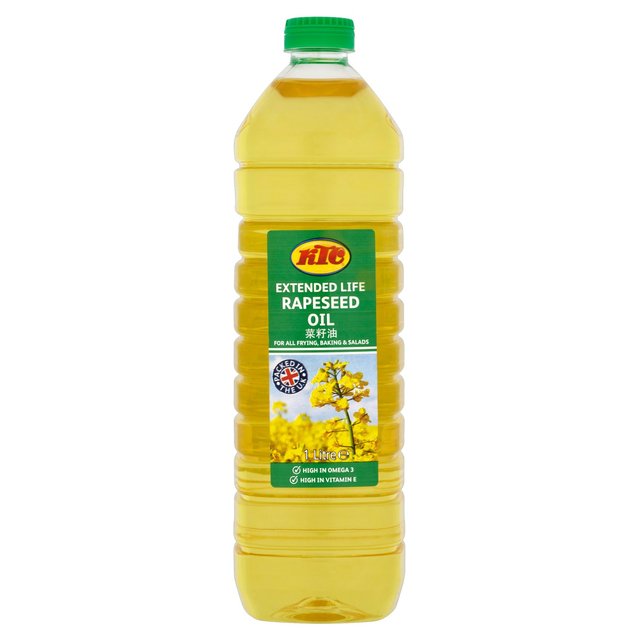
As we navigate the world of healthy eating, one question keeps popping up: is vegetable oil really bad for us? In this article, we’ll delve into the world of olio di colza (canola oil) and explore its properties, benefits, and potential drawbacks.
What is Olio di Colza?
Olio di colza, also known as canola oil, is extracted from the seeds of Brassica napus, a plant that produces yellow flowers. This oil has been a topic of discussion for decades, with some claiming it’s detrimental to our health and others swearing by its benefits.
The Controversy: Olio di Colza vs. Olio di Canola
One of the main concerns surrounding olio di colza is its high content of acido erucico (erucic acid), which can cause cardiac lesions and lipidosis of the myocardium. However, the industry has developed genetically modified varieties of Brassica napus that produce lower levels of this acid, making the oil safer for consumption.
In Canada, these modified varieties were first cultivated, and they’ve since become a staple in many countries. The process involves breeding the plant to have low acido erucico levels, resulting in an oil that’s rich in omega-3 and omega-6 fatty acids.
The Connection between Olio di Colza and Cardiovascular Health
Research has shown that olio di colza (and its related canola oil) may help reduce the risk of cardiovascular disease due to its high content of monounsaturated fats, omega-3 and omega-6 fatty acids. In 2006, the FDA declared this oil capable of reducing cardiovascular disease risks.
However, there’s a catch: the extraction process for olio di colza can be harsh, involving high temperatures, solvent use, and pressure control. This raises questions about the potential negative effects on our health.
The Dark Side of Olio di Canola Production
While some argue that olio di canola is less harmful than its counterpart due to lower acido erucico levels, others claim that the production process itself may be the culprit behind its negative impact. The use of solvents and high-pressure extraction methods has led to controversy surrounding this oil’s safety.
What Makes Olio di Colza Alimentare?
In Germany, olio di colza is sold as “rapso,” a term that implies it’s a healthy food option. In Italy, however, finding authentic olio di colza for culinary use can be challenging. You might find it in blended oils or margarine.
Conclusion: The Verdict on Olio di Colza
In conclusion, while olio di colza (canola oil) has its drawbacks due to the extraction process and potential acido erucico content, recent research suggests that it may still be a viable option for cardiovascular health. The key is choosing high-quality oils from reputable producers.
Frequently Asked Questions: Olio di Colza
-
Is olio di colza really bad for my health?
Olio di colza (canola oil) contains acido erucico, which can cause cardiac issues if consumed in excess. However, the industry has developed genetically modified varieties that minimize this risk. -
What’s the difference between olio di colza and olio di canola?
Olio di colza is a generic term for canola oil, while “canola” refers specifically to Canadian-grown, low-acido erucico oil. -
Is olio di colza produced using harsh methods?
The extraction process for olio di colza can involve high temperatures, solvent use, and pressure control, raising concerns about its safety. -
What are the benefits of olio di colza for cardiovascular health?
Olio di colza (canola oil) is rich in omega-3 and omega-6 fatty acids, which may help reduce the risk of cardiovascular disease. -
Can I buy authentic olio di colza in Italy?
Finding high-quality olio di colza for culinary use in Italy can be challenging, but you might find it in blended oils or margarine. -
Is rapso (German term for olio di colza) a healthy option?
Rapso is sold as a healthy food option in Germany, implying that olio di colza has been genetically modified to minimize its negative effects. -
How do I choose the best quality olio di colza?
When selecting olio di colza, look for products from reputable producers that use high-quality ingredients and minimal processing methods. -
What are some alternative oils to olio di colza?
Other options like olive oil, avocado oil, or coconut oil can be great alternatives to olio di colza for culinary purposes.
Understanding the Impact of Vegetable Oils on Our Health
Vegetable oils have been a staple in many cuisines around the world for decades. However, with growing concerns about their impact on our health, it’s essential to explore the options available to us.
Some vegetable oils, like olio di colza (canola oil), are often associated with negative effects due to high levels of acido erucico or other unwanted compounds. On the other hand, some oils like olive oil have been shown to be beneficial for cardiovascular health and may even reduce the risk of certain diseases.
The Role of Vegetable Oils in Modern Diets
Vegetable oils play a significant role in modern diets, particularly in Western societies. Many processed foods contain vegetable oils as a primary ingredient, often in large quantities.
However, this reliance on vegetable oils has led to concerns about their impact on our health and the environment. Some research suggests that consuming high amounts of vegetable oils may increase the risk of chronic diseases like heart disease, type 2 diabetes, and certain types of cancer.
The Importance of Choosing High-Quality Vegetable Oils
When it comes to choosing vegetable oils for cooking or consumption, it’s essential to opt for high-quality options. Here are some tips:
- Look for cold-pressed oils: Cold-pressed oils are extracted using low temperatures, minimizing the risk of oxidation and preserving the natural nutrients.
- Choose oils with minimal processing: Oils that undergo minimal processing, such as expeller-pressed or pressed oil, tend to be higher in quality and lower in acido erucico levels.
- Select single-origin oils: Single-origin oils are extracted from specific regions or crops, ensuring a consistent flavor profile and potential health benefits.
Popular Vegetable Oils and Their Potential Effects on Health
Here’s a brief overview of popular vegetable oils and their potential effects on health:
- Olio di Colza (Canola Oil): Canola oil is often associated with negative effects due to high levels of acido erucico. However, the industry has developed genetically modified varieties that minimize this risk.
- Olio d’Oliva (Olive Oil): Olive oil is rich in antioxidants and may help reduce the risk of cardiovascular disease. It’s also a good source of monounsaturated fats.
- Avocado Oil: Avocado oil is high in heart-healthy monounsaturated fats and may help lower cholesterol levels.
- Coconut Oil: Coconut oil contains saturated fats, which have been linked to potential health benefits, such as improved weight management and increased energy.
Conclusion: The Future of Vegetable Oils
As we navigate the world of healthy eating, it’s essential to make informed decisions about our food choices. By understanding the properties, benefits, and potential drawbacks of vegetable oils like olio di colza (canola oil), we can make more informed decisions about our diets.
Remember, choosing high-quality vegetable oils is crucial for maintaining a balanced diet and reducing the risk of chronic diseases. Experiment with different options, such as olive oil or avocado oil, to find what works best for you.


