
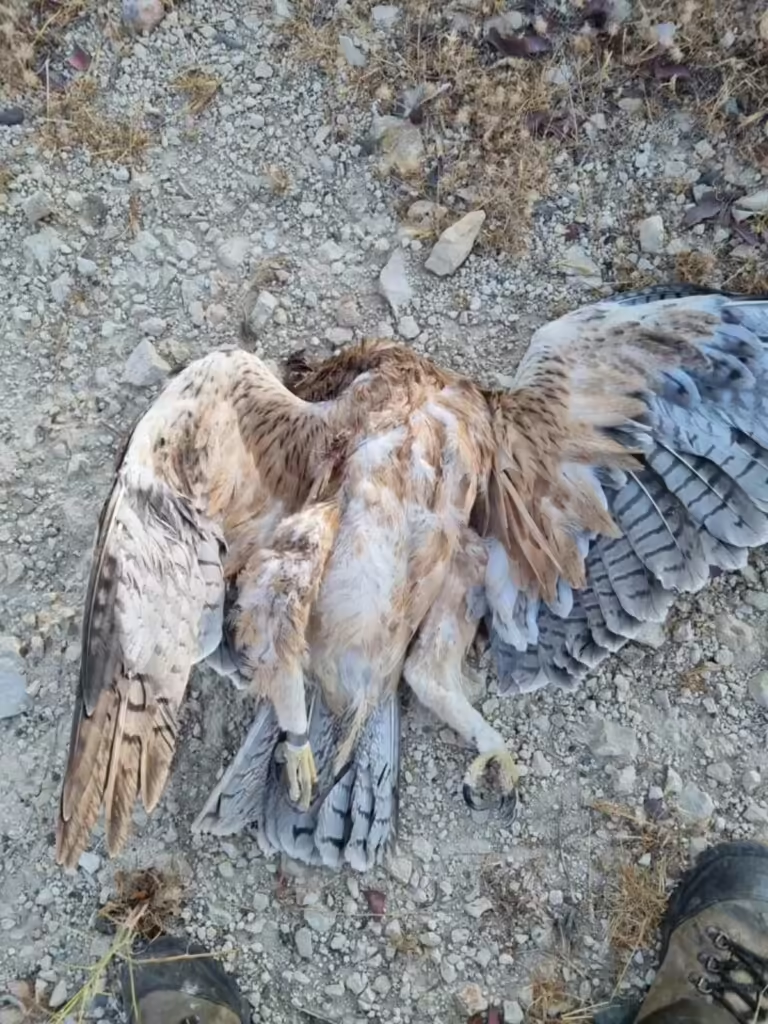
In a recent incident in southern Sardinia, an endangered Bonelli eagle was brutally shot with a bullet, leaving the bird world reeling in shock and outrage. This senseless act of violence not only highlights the pressing issue of bracconage but also underscores the urgent need for governments to take drastic measures to combat this heinous practice.
1. The Devastating Consequences of Bracconage
Bracconage, a term coined from the Italian word “braccio,” meaning arm or hand, refers to the cruel and illegal hunting of birds for their meat, feathers, or other body parts. This illicit activity has far-reaching consequences for Italy’s avifauna, leading to the decline and disappearance of many bird species. The senseless killing of the Bonelli eagle serves as a stark reminder of the devastating impact bracconage can have on the environment.
The statistics are alarming: over 300 wolves die each year due to human activities, with a significant portion being killed by poachers (WWF reports). This staggering number highlights the urgent need for governments to take decisive action against bracconage. If left unchecked, this destructive practice will lead to further ecological damage and compromise existing ecosystems.
2. The Bonelli Eagle: A Species on the Brink
The Bonelli eagle, once widespread across Italy, has now become extinct in Sardinia and is critically endangered in Sicily. Reintroduced in 2020 through a specific conservation program, the species still faces immense threats from human activities like bracconage. This tragedy serves as a stark reminder of the devastating consequences of neglecting our responsibility to protect and preserve wildlife.
The Bonelli eagle’s decline can be attributed to various factors, including habitat loss, fragmentation, and degradation. The introduction of invasive species has also contributed to the decline of this magnificent bird. As the last remnants of its population dwindle, it is crucial that governments take immediate action to address the root causes of bracconage.
3. The League for the Protection of Birds (LIPU) Speaks Out
The LIPU, a prominent bird protection organization, has condemned the senseless killing of the Bonelli eagle. They have called upon the government to take immediate action to address this issue, citing the urgent need for increased enforcement and more effective measures against bracconage.
In their statement, the LIPU emphasized that while some progress has been made in combating bracconage, more needs to be done to protect Italy’s avifauna. The organization is demanding a more decisive and symbolic gesture from the government, such as closing hunting seasons nationwide.
4. The Government’s Response: A Mixed Bag
The LIPU emphasizes that while the government has initiated some efforts to combat bracconage through the National Anti-Bracconage Plan, these initiatives have yet to yield satisfactory results. The organization is demanding a more decisive and symbolic gesture from the government, such as closing hunting seasons nationwide.
Unfortunately, the government’s response to this pressing issue has been lukewarm at best. While some regional authorities have taken steps to combat bracconage, these efforts are often piecemeal and ineffective in addressing the root causes of the problem.
5. The Alarming Reality of Bracconage in Italy
Italy has long struggled with the issue of bracconage, which has led to the decline and disappearance of many bird species. This problem persists due to inadequate enforcement and ineffective policies. As the LIPU notes, certain regions like the Brescian and Bergamasco valleys have become hotspots for illegal hunting.
The lack of effective regulation and law enforcement has allowed bracconage to flourish in Italy. The absence of strong penalties for those caught engaging in this activity has created a culture of impunity among poachers. It is imperative that governments take drastic measures to address this issue and ensure that those responsible are held accountable.
6. Bracconage in the Islands: A Growing Concern
The island region has also seen an increase in bracconage activity, particularly through poaching of migratory birds like cicognae and falchi. The Strait of Messina is a prime location for bird hunters, while Sardinia’s Cagliari province witnesses annual hunting of pettirossi, tordi, and merli.
The island region’s unique geography has created an environment conducive to bracconage. The isolated nature of many island communities has led to the perpetuation of traditional practices that are often in conflict with conservation efforts. It is essential that governments address this issue through targeted initiatives aimed at local communities.
7. The Lamentable Fate of the Wolf
The wolf has become the most vulnerable species to bracconage in Italy. According to WWF reports, approximately 300 wolves die each year due to human activities, with a significant portion being killed by poachers.
The decline of the wolf population is a stark reminder of the devastating consequences of unchecked bracconage. The loss of this apex predator will have far-reaching ecological impacts, leading to the degradation of ecosystems and the loss of biodiversity.
8. A Recipe for Disaster: The Consequences of Unchecked Bracconage
If current trends continue, the wolf population may eventually become extinct in Italy, resulting in severe ecological damage and further compromising existing ecosystems. This catastrophic outcome serves as a stark reminder of the urgent need for governments to take drastic measures to combat bracconage.
The consequences of unchecked bracconage are multifaceted and far-reaching. The loss of biodiversity will have a ripple effect throughout entire ecosystems, leading to a decline in ecosystem services and further compromising human well-being.
9. Confronting the Brutality of Bracconage
Bracconage is a heinous crime that affects numerous bird species across Italy. The widespread presence of poachers has created an environment where such acts are perpetuated, often under the guise of local traditions or culinary practices.
The senseless killing of birds for their meat, feathers, or other body parts is a brutal and inhumane practice that must be confronted head-on. It is essential that governments take drastic measures to address this issue and ensure that those responsible are held accountable.
10. A Glimmer of Hope: Conservation Efforts
While the challenges posed by bracconage seem insurmountable, there is hope for change. Organizations like LIPU and WWF continue to advocate for stronger policies and greater enforcement. By supporting these efforts, we can work towards a brighter future for Italy’s avifauna.
Conservation efforts are underway to protect Italy’s bird species from the scourge of bracconage. From habitat restoration to education programs aimed at local communities, these initiatives demonstrate the importance of a multi-faceted approach to addressing this complex issue.
11. Closing the Loop: A Call to Action
The senseless killing of the Bonelli eagle serves as a stark reminder that our actions have consequences. We must acknowledge the gravity of this situation and join forces to combat bracconage head-on. Together, we can create a safer environment for these majestic creatures.
Individuals, communities, and governments must work together to address this pressing issue. By supporting conservation efforts and advocating for stronger policies, we can create a brighter future for Italy’s avifauna.
12. Bracconage: A Regional Problem with Local Consequences
The bracconage problem is not confined to one region; it affects various areas across Italy, often with devastating local consequences. It is essential that governments address this issue by implementing targeted and effective measures in regions where poaching is most prevalent.
Regional authorities must take a proactive approach to combating bracconage, working closely with conservation organizations and local communities to develop and implement effective strategies. By doing so, we can mitigate the devastating impacts of bracconage on Italy’s avifauna.
13. Addressing the Root Causes of Bracconage
To combat bracconage effectively, we must first tackle its root causes. This includes addressing socio-economic factors that drive poaching, as well as educational initiatives aimed at local communities.
The lack of economic opportunities and social services in many regions has contributed to the perpetuation of traditional practices that are often in conflict with conservation efforts. By providing alternative livelihoods and education programs, we can address the root causes of bracconage and create a safer environment for Italy’s avifauna.
14. Conclusion
The senseless killing of the Bonelli eagle serves as a stark reminder of the devastating consequences of unchecked bracconage in Italy. It is imperative that governments take drastic measures to address this issue, working closely with conservation organizations and local communities to develop and implement effective strategies.
Together, we can create a brighter future for Italy’s avifauna and ensure that these majestic creatures continue to thrive in our country. The time for action is now; let us join forces to combat bracconage and protect the natural heritage of Italy.


