
Introduction
As we go about our daily lives, drinking water is often taken for granted. However, the quality of this essential resource is a pressing concern in Italy. The country’s vast network of rivers, lakes, and underground aquifers is the lifeblood of its population, but it is also facing numerous challenges that threaten its very existence. In this article, we will delve into the world of water quality in Italy, exploring the current state of affairs, the challenges it poses, and what can be done to address them.
The Current State of Water Quality in Italy
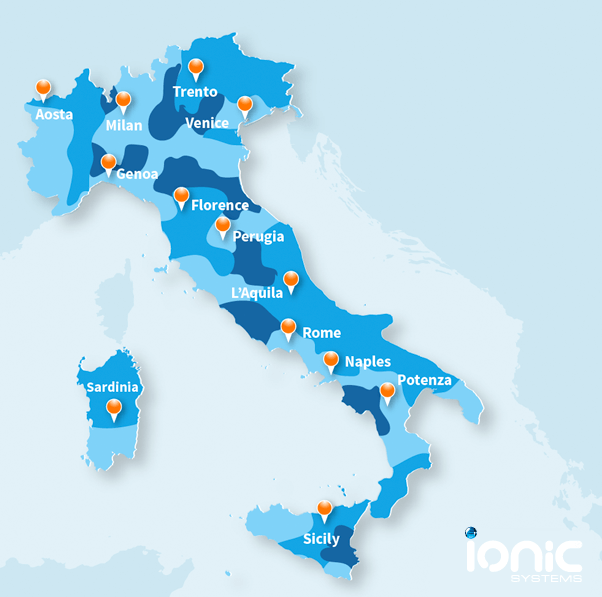
Italy’s water resources are plentiful, but their quality is a different story. According to recent studies, a significant portion of the country’s rivers, lakes, and underground aquifers fail to meet European Union standards for drinking water quality. This is due to a combination of factors, including aging infrastructure, inadequate waste management, and neglect of environmental regulations.
Challenges in Managing Water Resources
Managing Italy’s water resources is a complex task. The country’s geography, with its many mountains and rivers, creates a challenging environment for water distribution and management. Additionally, the population growth and increasing demands on water resources have put additional pressure on this already fragile system.
The Importance of Cooperation between Regions and Local Authorities
To address these challenges, cooperation between regions and local authorities is crucial. The Italian government has recognized this need and established a new working group focused specifically on water management. This group, which includes representatives from various sectors, will work together to develop solutions to the country’s water quality issues.
Key Players in the Water Quality Debate
Several key players are involved in the debate around water quality in Italy. These include:
- Gianni Squitieri, coordinator of the working group on water management
- Francesco Ciancaleoni, Area Ambiente Territorio – Coldiretti
- Giulio Conte, Ambiente Italia
- Luigi Del Giacco, Federutility
- Alfredo Di Domenicantonio, Autorità di Bacino del Fiume Tevere
- Barbara Di Rollo, CIA
- Roberto Farina, ENEA Bologna
- Roberto Mazzini, Milano DEPUR spa
- Giuseppe Mininni, CNR acque – CTS Ecomondo
- Ciro Pignatelli, Fondazione per lo Sviluppo Sostenibile
- Enrico Rolle, Università di Roma La Sapienza
- Gabriela Scanu, Ministero dell’Ambiente
- Francesco Tresso, JPE 2010 – Hydrodata Spa
- Massimo Troncon, Ladurner Srl
What Can Be Done to Address Water Quality Issues?
So, what can be done to address the water quality issues in Italy? Firstly, it is essential to invest in upgrading and maintaining the country’s aging infrastructure. This includes modernizing wastewater treatment plants, improving sewage systems, and enhancing environmental regulations.
Secondly, increased public awareness about the importance of water conservation is crucial. By promoting sustainable practices, such as reducing water usage and proper waste management, we can reduce the pressure on Italy’s already fragile water resources.
Lastly, international cooperation is vital in addressing transboundary water issues. Italy must work closely with neighboring countries to share best practices, coordinate efforts, and develop joint strategies for managing its water resources.
Long-Term Solutions
To ensure a sustainable future for Italy’s water resources, long-term solutions are necessary. These include:
- Investing in research and development: Developing new technologies and innovative solutions to address the country’s water quality challenges.
- Promoting water conservation: Encouraging individuals, businesses, and organizations to adopt sustainable practices that reduce water usage and waste.
- Enhancing environmental regulations: Strengthening laws and policies to protect Italy’s water resources and prevent pollution.
Conclusion
Water quality is a pressing concern in Italy, with numerous challenges threatening the country’s lifeblood. However, by working together, we can address these issues and ensure that future generations have access to clean, safe drinking water. It is time for us to take action and make a difference in the world of water management.
Frequently Asked Questions
- What are the main challenges facing Italy’s water quality?
- Aging infrastructure, inadequate waste management, and neglect of environmental regulations.
- Who is coordinating the working group on water management in Italy?
- Gianni Squitieri
- What is the purpose of the new working group focused on water management in Italy?
- To develop solutions to the country’s water quality issues.
- Which regions and local authorities are involved in addressing water quality concerns in Italy?
- Various sectors, including government agencies, private companies, and non-profit organizations.
- What is the most effective way to address transboundary water issues in Italy?
- International cooperation with neighboring countries to share best practices and coordinate efforts.
By working together and addressing these challenges, we can ensure that Italy’s water resources are protected for future generations.



