
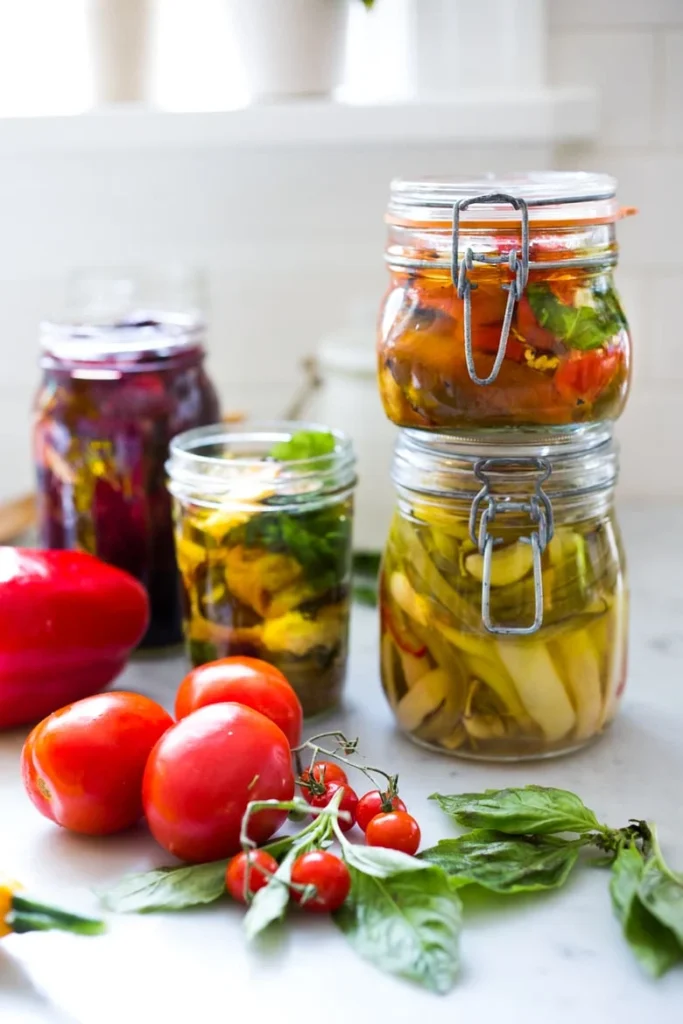
Curing vegetables has revolutionized modern cuisine, allowing us to speed up meal preparation for those who want to organize a quick and easy lunch or snack. After seeing the recipe for pickled artichokes, we’ll provide you with some practical guides on how to prepare high-quality cured vegetable conserves.
Choosing the Right Ingredients
The first step in preparing cured vegetables is to use fresh, mature, seasonal, and well-washed ingredients. Opt for organic products that have been harvested directly from the field, rather than those that have been stored in the fridge. When cooking, use exclusively stainless steel pots, as aluminum and iron pots are off-limits!
To prevent the vegetables from adhering to the bottom of the pot, ensure they don’t stick to it. For mixing, only use wooden spoons reserved specifically for this purpose.
Preparing Vegetables for Curing
Scour the vegetables thoroughly before proceeding with the curing process. Conclude by bottling the product after it has cooled down and ensuring that all container lids are secure. Choose high-quality extra virgin olive oil, but avoid using oils that may overpower the flavor of the main ingredient.
Once you have set up your vegetable and oil mixture in the containers, proceed to the Tindalization process.
What is Tindalization?
Tindalization is a process that involves boiling the full jars for three times at 24-hour intervals. Wrap the jars in a breathable fabric to prevent cracking. Boiling should last approximately 45 minutes, and the jars must remain in the pot until the water has cooled.
This procedure can be particularly useful when dealing with spore-forming microorganisms; if present, they will burst (spore), releasing bacteria that multiply but don’t have time to produce spores. Don’t forget to label each container with the date of preparation.
Shelf Life
In theory, the shelf life of cured vegetables is limitless. In practice, it’s best to consume them within two years from production, except for pickled sardines, which get better with time.
It’s a good idea to use jars with wide necks, both with screw-on lids and with hermetic seals featuring rubber gaskets. Before closing, insert the “pressing” mechanism and check that the oil level remains constant; if it doesn’t, you may need to re-seal and inspect again.
Storage
Store cured vegetables in a cool, dry place away from light.
Before consuming, verify that there are no signs of mold, fermentation, or bad odors. If present, remove them. Opened jars should be stored in the fridge and consumed within a few days.
Following these guidelines, you can now try your hand at preparing pickled peppers.
Ingredients for Pickling Peppers
- 1 kg of red and yellow peppers
- White wine vinegar
- Extra virgin olive oil
- A pinch of salt
Preparing Pickled Peppers
Clean the peppers by removing the white internal filaments, seeds, and cut them into strips. Bring a brine solution (1 part acetic acid for every 4 parts water) to a boil and add a handful of salt. Soak the peppers for three minutes.
Scour the peppers and let them cool on an inclined surface. Once cooled, pack the peppers into jars and cover with extra virgin olive oil.
Tips and Variations
To enhance the flavor of your pickled peppers, try adding some garlic cloves or bay leaves to the jar while they are still hot. You can also experiment with different types of vinegar or spices to create unique flavor profiles.
For a more intense flavor, let the jars sit at room temperature for a few hours before refrigerating them. This process is called “maturation” and allows the flavors to meld together and intensify.
Conclusion
Curing vegetables can seem daunting, but with practice, you’ll become more confident in your ability to create delicious, high-quality conserves. By following these guidelines and tips, you’ll be able to experiment with new ingredients and flavor combinations that will elevate your cooking to the next level.
Frequently Asked Questions (FAQs)
- What is Tindalization?
Tindalization is a process used for curing vegetables where jars are boiled three times over 24-hour intervals in order to kill any bacteria or other microorganisms present within them.
- How long do cured vegetable conserves last?
In theory, they have an infinite shelf life; however, it’s recommended that you consume them within two years of production. The exception is pickled sardines, which actually improve over time.
- What type of jars are best for curing vegetables?
Jars with wide necks, screw-on lids, and hermetic seals featuring rubber gaskets make the perfect choice.
- How often should I check my conserves?
You should inspect your jars regularly to ensure that there’s no mold, fermentation, or bad odor. If any issues arise, remove them before consuming.
- Can I use metal utensils for mixing?
No, it’s best not to use metal utensils when preparing vegetables as they can react with the acidity of the ingredients and affect their taste.
- How do I label my conserves?
Make sure to include your name, date of preparation, ingredient list, and any additional information that may be relevant in your jar labels.
- What if I see mold on my conserves?
If you notice any mold growing on your jars or contents, you must discard them immediately to avoid foodborne illness.
- Can I store opened jars in the fridge?
Yes, you can store opened jars in the fridge for a few days before consuming; however, it’s essential to verify that they’re free from signs of spoilage first.
- What is the best way to preserve vegetables for long-term storage?
To extend the shelf life of your cured vegetables, consider using vacuum-sealed containers or glass jars with tight-fitting lids. Store them in a cool, dry place and consume within two years.
- Can I make my own pickling spices?
Yes, you can create your own custom blend of pickling spices to suit your taste preferences. Simply mix together different combinations of herbs, spices, and seasonings to create unique flavor profiles for your pickled vegetables.
By following these guidelines and tips, you’ll be well on your way to mastering the art of curing vegetables.



