
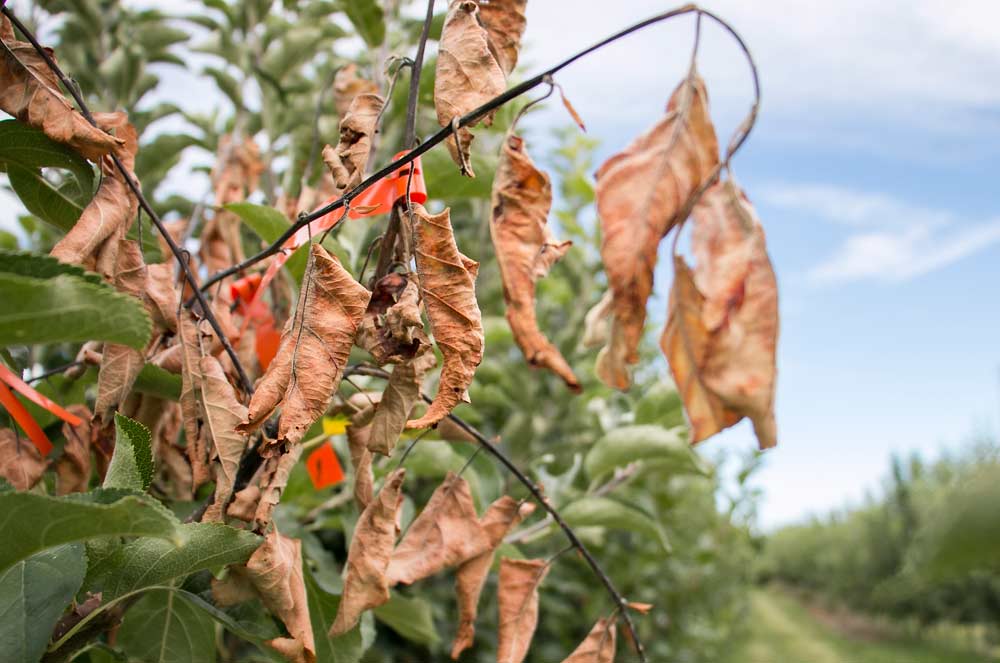
Understanding the Threat of Bacterial Fire Blight
Bacterial fire blight is a devastating disease affecting a wide range of plants, from ornamental species to fruit-bearing trees. The bacterium Erwinia amylovora causes this widespread and difficult-to-control affliction.
Which Plants are at Risk?
The list of susceptible plants includes:
- Rosaceae: over 150 different species in 37 genera
- Fruit-bearing plants: such as apple, pear, peach, cherry, plum, apricot, and many more
- Ornamental plants: including white spirea, cotoneaster (cotognaster), pyracantha, azzeruolo, sorbus, photinia, and agazzino
How the Disease Spreads
After an initial winter infection, the bacterium is released as a “essudato batterico” through cankers on infected plants. This infectious substance contains millions of bacteria that can survive in the air and water for extended periods, transmitting infections over distances of several kilometers.
The bacteria enter the plant through wounds, such as those caused by hail, pruning cuts, or fruit drop. Even contaminated tools can spread the disease, making sterilization essential.
Disinfecting Pruning Tools
To disinfect pruning tools, a professional-grade alcoholic benzalconic chlorinated disinfector is recommended. Such products are available at pharmacies and online retailers like Amazon. A 1-liter bottle costs around €16.45, including shipping.
The process involves immersing the tool blades in the liquid for 2 minutes to eliminate any remaining bacterial residue.
Recognizing the Symptoms
Bacterial fire blight symptoms include:
- Discoloration of leaves, stems, and flowers
- Premature drop of fruit
- Wounds with a reddish-brown or grayish appearance
Infected plants often exhibit a range of other symptoms, including curled or twisted shoots and reduced growth.
Controlling the Spread
To control bacterial fire blight:
- Regularly inspect infested plants for signs of infection.
- Remove and incinerate infected branches at least 70 cm below the affected area.
- Apply fungicides to infected plants, such as products containing rhamnolipids or copper salts.
For a comprehensive treatment plan, consult with local gardening experts or agricultural specialists. They can provide guidance on the best strategies for managing this challenging disease.
Commonly Asked Questions
- Q: How often should I inspect my plants for signs of bacterial fire blight?
A: Regular inspections are crucial to detecting early infection and preventing spread. - Q: Can I use household cleaning products to disinfect pruning tools?
A: No, these products are not effective against bacteria like Erwinia amylovora. - Q: How do I prevent the disease from spreading to other plants on my property?
A: Implement good sanitation practices, such as sterilizing tools and disposing of infected plant material properly. - Q: Can bacterial fire blight be cured once it has infected a tree?
A: Unfortunately, once the disease has reached the trunk or major branches, recovery is unlikely. - Q: Are there any specific fungicides recommended for treating bacterial fire blight?
A: Yes, products containing rhamnolipids or copper salts have shown promise in controlling this disease. - Q: Can I grow resistant varieties of plants to reduce the risk of infection?
A: Researchers are working on developing resistant plant cultivars; however, these may not be readily available yet.
Management Strategies
Effective management strategies for bacterial fire blight involve a multi-faceted approach that includes:
- Monitoring and early detection: Regularly inspect your plants to catch signs of infection early.
- Good sanitation practices: Sterilize tools and dispose of infected plant material properly to prevent spread.
- Pruning: Prune infested branches or stems at least 70 cm below the affected area to reduce risk of further spread.
- Fungicides: Apply fungicides containing rhamnolipids or copper salts to control disease outbreaks.
By following these strategies, you can help mitigate the impact of bacterial fire blight on your plants and protect them from this devastating disease.
Prevention Strategies
To prevent bacterial fire blight from affecting your plants:
- Inspect plants regularly for signs of infection.
- Implement good sanitation practices to minimize risk of spread.
- Prune infected branches or stems properly to reduce further spread.
- Use fungicides containing rhamnolipids or copper salts to control disease outbreaks.
By adopting these prevention strategies, you can help protect your plants from bacterial fire blight and ensure healthy growth and productivity.
Conclusion
Bacterial fire blight is a serious threat to plant health, but with proper management and prevention strategies, it’s possible to mitigate its impact. By following the guidelines outlined in this comprehensive guide, you can help protect your plants from this devastating disease and maintain their overall health and well-being.


