
Understanding the Allure of Traditional Fireplaces
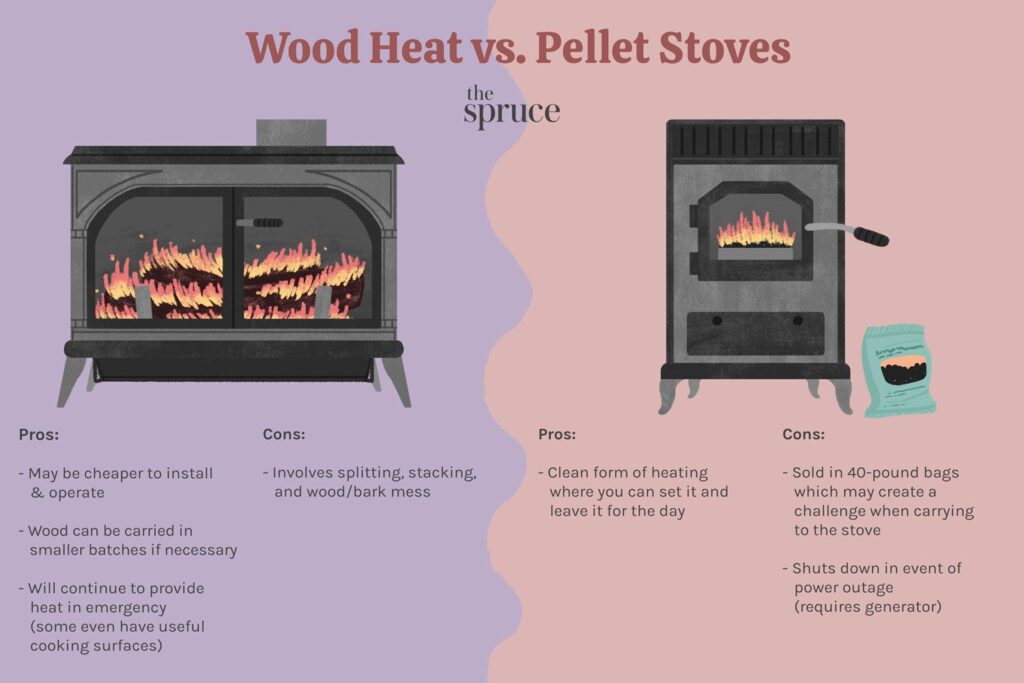
There’s something undeniably charming about traditional fireplaces – the warm glow, the crackling flames, and the cozy ambiance they create. However, maintaining a wood-burning fireplace can be a challenge, especially when it comes to ensuring proper airflow and preventing accidents. Modern solutions like pellet stoves have gained popularity in recent years, offering an attractive alternative that combines efficiency, convenience, and sustainability.
A Brief History of Pellet Stoves
Pellet stoves date back to the 1970s, but their development was slow due to concerns about air pollution. The introduction of EPA regulations led to a surge in innovation, resulting in more efficient and environmentally friendly pellet stove designs. Today, these stoves have become increasingly popular as homeowners seek to reduce their environmental impact.
What are Pellet Stoves?
Pellet stoves use compressed pellets made from recycled sawdust as fuel. These pellets burn efficiently, producing minimal emissions and generating a significant amount of heat. The combustion process involves burning the pellets at high temperatures, resulting in a high-quality heat output that is comparable to traditional wood-burning fireplaces.
Benefits of Pellet Stoves
Pellet stoves boast numerous advantages over traditional wood-burning fireplaces:
• Energy Efficiency: Pellets provide an incredibly high energy content, allowing for more heat output per volume than traditional logs.
• Cost-Effective: Pellets are generally cheaper than wood, reducing heating costs and minimizing waste.
• Low Emissions: The combustion process produces fewer pollutants and toxins, making pellet stoves a cleaner alternative to traditional fireplaces.
• Convenience: Modern pellet stoves often feature automatic ignition, temperature control, and remote monitoring capabilities.
The Science Behind Pellet Stove Efficiency
Pellet stoves use a unique combination of heat transfer and air flow to achieve optimal efficiency. The process can be broken down into several key components:
- Combustion Chamber: This is where the pellets are burned to produce heat.
- Blower System: A blower system circulates hot air through the living space, providing warmth and comfort.
- Fuel Feeding System: The fuel feeding system supplies the pellets to the combustion chamber.
Additional Features
Some advanced pellet stoves come equipped with additional features that enhance their functionality:
• Automatic Ignition: Turns on when you need it to.
• Temperature Control: Allows precise adjustments of the heating output.
• Humidity Control: Can regulate moisture levels in the room, reducing condensation and improving comfort.
Pellet Stove Safety Features
Modern pellet stoves prioritize safety, featuring advanced safety measures such as:
- Overheat Protection: Automatically shuts off if overheating is detected.
- Smoke Ventilation: Properly venting smoke to prevent accumulation of toxic gases.
- Low Oxygen Sensors: Monitor the oxygen levels in the combustion chamber and shut off when necessary.
Purchasing a Pellet Stove
Before investing in a pellet stove, consider the following factors:
• Budget: Prices vary widely, with entry-level stoves starting at around $700.
• Quality and Design: Look for high-quality materials and craftsmanship to ensure durability and longevity.
• Installation: Consider hiring a professional to install your new stove.
Installation Options
Pellet stove installation can be done in various ways:
- Traditional Chimney Installation: A traditional chimney installation is often preferred as it provides better airflow and heat output.
- Direct Ventilation: Some pellet stoves come equipped with direct ventilation systems, which allow for more efficient combustion.
- Ventless Stoves: Ventless stoves use alternative methods to remove pollutants from the combustion chamber.
Getting Started with Your Pellet Stove
With the right knowledge and guidance, you can unlock the full potential of your new pellet stove. Explore our resources for more information on purchasing, installation, and operation to ensure a warm, comfortable, and sustainable home environment.
Pellet Stove Maintenance and Troubleshooting
Regular maintenance is essential to extending the lifespan of your pellet stove:
- Cleaning: Regular cleaning can remove debris and ash from the combustion chamber.
- Filter Replacement: Replacing filters can improve air quality and efficiency.
- Troubleshooting: Identifying common issues such as overheating or smoke buildup is crucial for resolving problems.
Conclusion
Pellet stoves have become a popular choice for homeowners seeking an efficient, cost-effective, and sustainable heating solution. By understanding the benefits, operation, and maintenance of pellet stoves, you can enjoy a warm and cozy home environment while reducing your environmental impact.


