
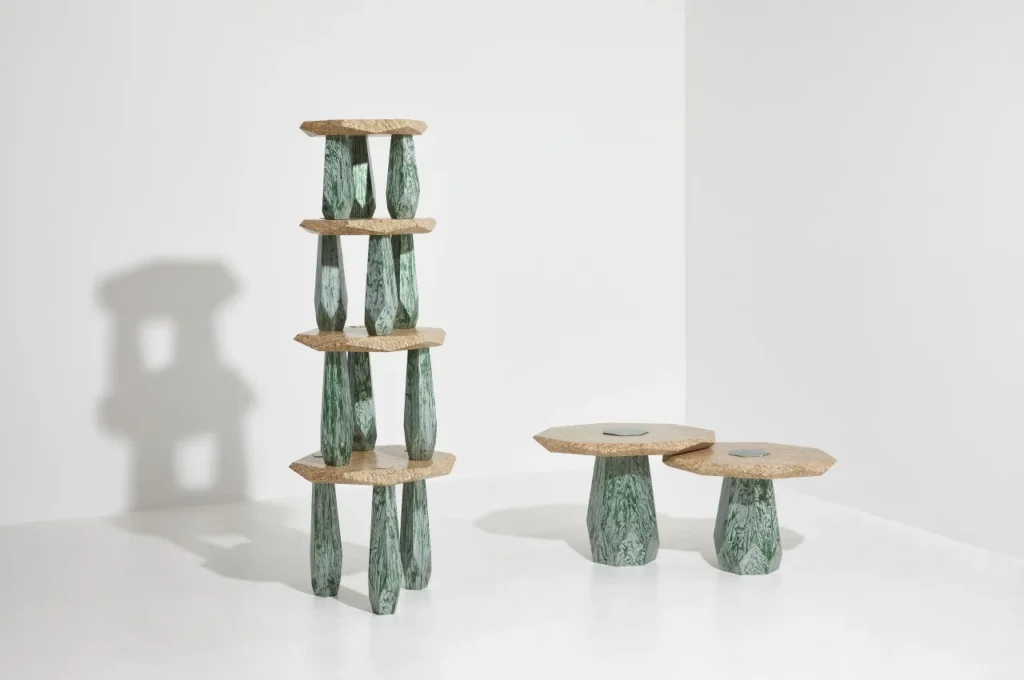
In the bustling city of Busan, South Korea’s largest port handles over 13 million containers every year. Among these containers, a significant amount is made of wood waste – discarded wooden boxes, pallets, and packaging materials that are often sent to landfills without being reused or recycled. However, one visionary designer has turned this waste into a treasure trove of sustainable furniture.
The port’s massive volume of waste is a challenge for the city’s authorities to deal with. The Korean government has recognized the need to address this issue and find innovative solutions to reduce waste and promote sustainability. This problem was solved by Yong Hoon Choi, a renowned designer from Busan who saw an opportunity in the discarded wood waste.
The Problem of Waste in Busan
Busan’s massive port is a significant challenge for the city’s authorities due to its sheer volume of waste generated by international trade. The port handles over 13 million containers every year, with a significant amount being made of wood waste – discarded wooden boxes, pallets, and packaging materials that are often sent to landfills without being reused or recycled.
The Korean government has recognized the need to address this issue and find innovative solutions to reduce waste and promote sustainability. The government has implemented various initiatives to encourage recycling and reuse of materials, but more needs to be done to address the scale of the problem.
The Birth of Sustainable Furniture in Korea
Enter Yong Hoon Choi, a renowned designer from Busan who saw an opportunity in the discarded wood waste. With less than $100, Choi was able to collect enormous quantities of wood scraps from the port and transform them into functional and stylish furniture pieces for kitchens. This marked the beginning of the sustainable furniture revolution in Korea.
Choi’s approach to sustainable design is refreshingly straightforward. He believes that imperfections in the wood, such as uneven edges or natural marks, add character to the final product. Rather than trying to hide these flaws, Choi celebrates their uniqueness, creating authentic and artisanal pieces that reflect the beauty of nature.
The Art of Sustainable Design
Choi’s design philosophy is centered around sustainable materials and reducing waste. He sees an opportunity in discarded wood waste and strives to minimize waste by designing pieces that incorporate repurposed materials. By using reclaimed wood, Choi reduces the demand for virgin wood, which has a higher environmental impact due to deforestation.
The use of natural materials, such as gomma lacquer and VOC-free finishes, further enhances the sustainability of Choi’s furniture designs. These eco-friendly finishes are free from toxic chemicals that can harm human health and the environment.
The Use of Natural Materials
Choi’s furniture is treated with natural materials, including gomma lacquer and VOC-free finishes. This approach not only reduces the environmental impact of his products but also creates a unique aesthetic that combines functionality with style. By embracing the imperfections of the wood, Choi has created a distinctive look that sets his pieces apart from mass-produced furniture.
The use of natural materials in sustainable design is becoming increasingly popular as consumers become more aware of the environmental impact of their purchasing decisions. By choosing products made from natural materials, consumers can help reduce waste and promote sustainability in the industry.
The Fusion of Tradition and Modernity
Incorporating elements of traditional Korean design, Choi’s sustainable furniture blends seamlessly into modern kitchens. The use of repurposed materials, such as old books, jute sacks, and coffee beans, adds a touch of cultural heritage to each piece. This fusion of past and present creates a truly unique and captivating aesthetic that reflects the diversity of Korean culture.
The incorporation of traditional design elements in sustainable furniture designs can help promote cross-cultural understanding and appreciation. By incorporating local materials and techniques into modern designs, designers can create products that are not only environmentally friendly but also culturally relevant.
Sustainable Furniture in Modern Kitchens
The results are nothing short of remarkable. Choi’s sustainable furniture has become a staple in modern Korean kitchens, prized for their functionality, style, and eco-friendly credentials. By using reclaimed wood, reducing waste, and promoting creativity, Choi has single-handedly transformed the way Koreans approach kitchen design.
The demand for sustainable furniture is increasing globally, as consumers become more aware of the environmental impact of their purchasing decisions. The success of Choi’s sustainable furniture designs in Korea serves as a model for other designers and manufacturers looking to promote sustainability in the industry.
Conclusion
In an era where sustainability is increasingly important, the story of Yong Hoon Choi’s sustainable furniture revolution in Korea serves as a powerful reminder of the potential for innovation and creativity to drive positive change. As we look to the future, it’s clear that sustainable design will play an ever-more significant role in shaping our built environment.
FAQs
- What inspired Yong Hoon Choi to create sustainable furniture from wood waste?
Choi saw an opportunity in the discarded wood waste and recognized its potential for creative reuse. - How does Choi treat his wood scraps to make them suitable for furniture-making?
Choi uses natural materials, such as gomma lacquer and VOC-free finishes, to enhance the appearance of his pieces while minimizing environmental impact. - What is the significance of imperfections in the wood for Choi’s design philosophy?
For Choi, imperfections add character to the final product, creating authentic and artisanal pieces that reflect the beauty of nature. - How does Choi incorporate traditional Korean elements into his sustainable furniture designs?
Choi incorporates repurposed materials, such as old books, jute sacks, and coffee beans, to create a unique fusion of past and present. - What is the impact of sustainable furniture on modern kitchens in Korea?
Sustainable furniture has become a staple in modern Korean kitchens, prized for their functionality, style, and eco-friendly credentials. - Can you describe Choi’s approach to reducing waste in his design process?
Choi sees an opportunity in discarded wood waste and strives to minimize waste by designing pieces that incorporate repurposed materials. - How does Choi balance the need for sustainability with the demand for stylish furniture?
Choi balances sustainability with style by using natural materials, embracing imperfections, and creating unique, artisanal pieces that reflect the beauty of nature. - What advice would you give to aspiring designers interested in sustainable design?
I would advise aspiring designers to explore repurposed materials, reduce waste, and prioritize creativity in their designs to drive positive change.


