
Stress in pets is a common issue that can have serious consequences on their physical and mental well-being. It’s essential to recognize the signs of stress in dogs and cats, as they may exhibit behavioral changes, physical symptoms, or even health problems. In this article, we’ll delve into the world of canine and feline stress, exploring its causes, symptoms, and effective ways to manage it.
The Impact of Stress on Pets
Stress can affect pets of all breeds, sizes, and ages. However, some individuals may be more prone to stress due to their temperament or life circumstances. For instance, dogs that are highly sensitive or anxious may exhibit increased stress behaviors, such as panting, pacing, or excessive barking. Cats, on the other hand, may display stress through changes in appetite, elimination habits, or vocalization.
One of the most significant concerns is the impact of stress on a pet’s physical health. Chronic stress can lead to a weakened immune system, making them more susceptible to illnesses and infections. Additionally, stress can contribute to anxiety-related behaviors, such as excessive grooming or pacing, which can further exacerbate the problem.
The Study: Uncovering the Link Between Stress and White Pelts
A recent study conducted by Dr. Camille King, a veterinarian based in Denver, Colorado, aimed to investigate the relationship between stress and white pelts in dogs. The research focused on two key aspects of canine behavior: impulsivity and anxiety. By analyzing the speed and ease with which animals could be calmed, as well as their reactions during veterinary visits or other stressful situations, Dr. King sought to understand whether a connection existed between stress and the appearance of white pelts.
The study revealed that dogs exhibiting high levels of impulsivity and anxiety were more likely to display excessive grooming, leading to an increased amount of shedding and potential hair loss. This finding has significant implications for dog owners, as it suggests that stress can contribute to a range of behavioral problems in canine companions.
The Methodology: A Two-Pronged Approach
To gather data for the study, Dr. King employed a two-pronged approach. First, she assessed the impulsivity of the dogs by measuring their reaction time to stimuli and observing their frequency of excitement or aggression when interacting with people. Second, she evaluated the anxiety levels of the dogs during veterinary visits or other potentially stressful situations, such as loud noises or changes in environment.
The study also involved a control group, which consisted of dogs that were not exhibiting any signs of stress or anxiety. By comparing the behavior and physical characteristics of these two groups, Dr. King was able to identify key factors that contribute to the development of white pelts in dogs.
The Results: A Surprising Connection
The study’s findings were both surprising and enlightening. The researchers found that animals exhibiting high levels of impulsivity and anxiety were more likely to display excessive grooming, leading to an increased amount of shedding and potential hair loss. This suggests that stress can contribute to a range of behavioral problems in canine companions.
Stress in Dogs: Symptoms and Cures
Dog owners often recognize the signs of stress in their pets, including:
• Increased panting or pacing: If your dog is panting excessively or pacing back and forth, it may be a sign that they are feeling stressed.
• Excessive barking or whining: If your dog is barking or whining more frequently than usual, it could be a sign of stress or anxiety.
• Changes in appetite or elimination habits: If your dog’s eating habits or bathroom habits have changed recently, it may be due to stress.
• Grooming or excessive licking: If your dog is grooming themselves excessively or licking their fur, it could be a sign that they are feeling stressed.
• Agitation or restlessness: If your dog appears agitated or restless more frequently than usual, it could be a sign of stress or anxiety.
If you suspect your dog is experiencing stress, it’s essential to consult with a veterinarian to rule out underlying medical issues. In the meantime, try these effective stress-reducing techniques:
- Provide a calm and predictable environment: Create a peaceful atmosphere by minimizing noise levels and providing a consistent routine.
- Offer plenty of exercise and mental stimulation: Engage your dog in activities that challenge their mind and body, such as obedience training or scent work.
- Establish a regular routine for feeding, sleep, and playtime: Stick to a regular schedule to help reduce stress and anxiety.
- Use positive reinforcement training methods: Reward good behavior with treats and praise to encourage desired actions.
Stress in Cats: Symptoms and Cures
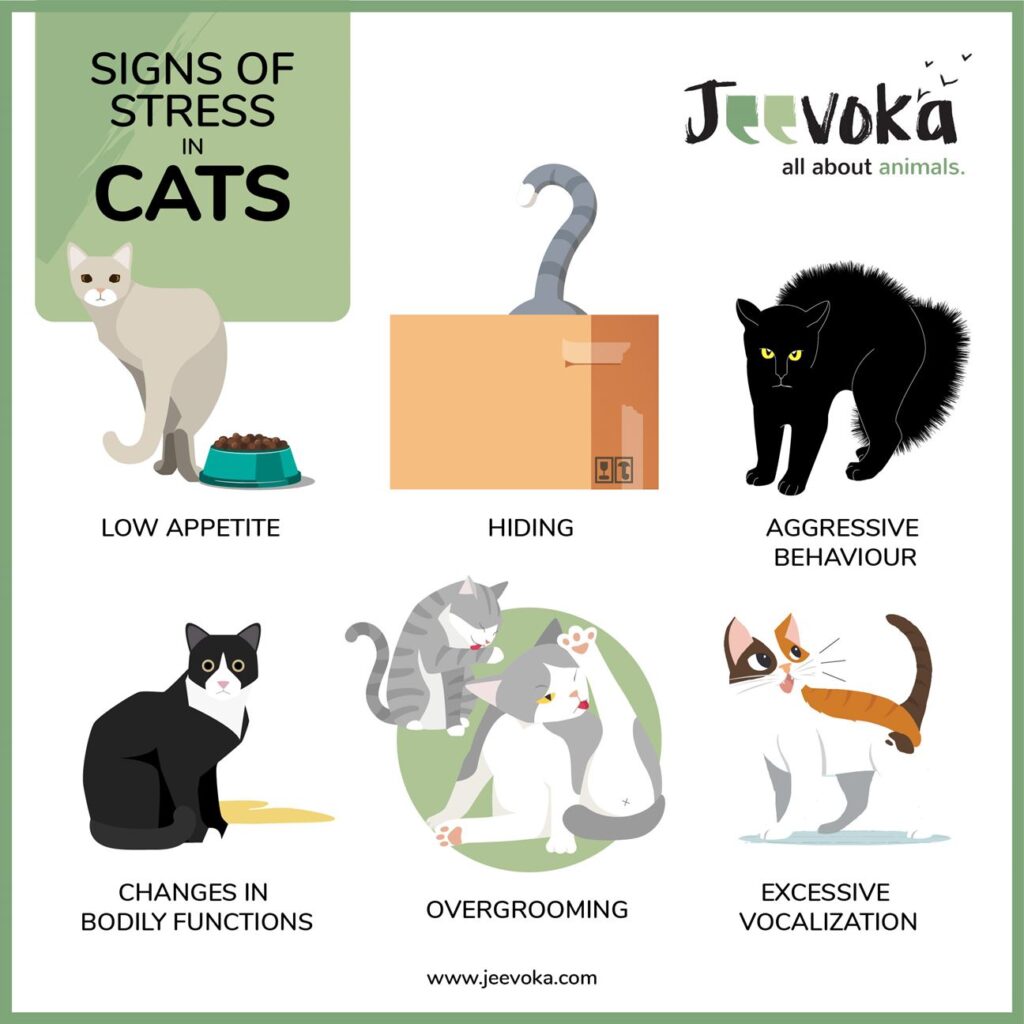
Cats are notorious for their independence, but they too can exhibit stress behaviors. Some common signs include:
• Changes in appetite or elimination habits: If your cat’s eating habits or bathroom habits have changed recently, it may be due to stress.
• Vocalization or meowing: If your cat is vocalizing more frequently than usual, it could be a sign of stress or anxiety.
• Aggression or hissing: If your cat appears aggressive or hissing when interacting with people, it may be a sign that they are feeling stressed.
• Grooming or excessive licking: If your cat is grooming themselves excessively or licking their fur, it could be a sign that they are feeling stressed.
• Increased hiding or avoidance behavior: If your cat is avoiding social interactions or hiding more frequently than usual, it may be due to stress.
To reduce your cat’s stress levels, try these strategies:
- Create a peaceful environment by reducing noise and introducing calming scents: Use pheromone products or essential oils to create a calm atmosphere.
- Provide plenty of vertical space for climbing and observing: Cats love to climb and observe their surroundings from high places.
- Engage your cat in playtime activities that stimulate their natural hunting instincts: Play hide-and-seek or use feather toys to encourage exercise and mental stimulation.
- Use pheromone products to mimic the scent of mother cats: These products can help calm your cat in stressful situations.
Conclusion
Stress is a common issue affecting both dogs and cats. By recognizing the signs of stress and understanding its causes, we can take steps to mitigate its effects. Whether it’s through environmental changes, training techniques, or simple behavioral modifications, there are many ways to help your pet feel more relaxed and content.
Frequently Asked Questions
- What are the most common signs of stress in dogs?
Dogs may exhibit increased panting, pacing, excessive barking, changes in appetite or elimination habits, grooming, or agitation. - How can I reduce my cat’s stress levels?
Create a peaceful environment, provide plenty of vertical space, engage your cat in playtime activities, and use pheromone products to mimic the scent of mother cats. - Can stress cause hair loss in dogs?
Yes, excessive grooming or anxiety-related behaviors can lead to hair loss in dogs. - What is the relationship between stress and white pelts in cats?
While there isn’t conclusive evidence linking stress directly to white pelts in cats, some studies suggest a correlation between anxiety-related behaviors and changes in coat color or texture. - How often should I take my dog to the vet for stress-related issues?
Regular veterinary check-ups can help identify underlying medical issues contributing to your dog’s stress levels.
Remember, every pet is unique, so it’s essential to tailor your approach to their individual needs and personalities. By working together with your veterinarian and making simple changes to your environment, you can create a more harmonious home for both you and your furry friend.
Additional Tips
- Monitor your pet’s behavior: Keep an eye out for signs of stress, such as panting, pacing, or excessive grooming.
- Provide mental stimulation: Engage your pet in activities that challenge their mind and body, such as puzzle toys or obedience training.
- Create a calm environment: Use calming scents, music, or white noise to create a peaceful atmosphere.
- Consult with a veterinarian: If you suspect your pet is experiencing stress, consult with a veterinarian to rule out underlying medical issues.
By understanding the causes of stress in pets and taking steps to mitigate its effects, you can create a more harmonious home for both you and your furry friend.


